
This should never have happened.
The Toronto International Film Festival (TIFF), an annual cultural event that enlivens the city in September with a glittering array of movies from every corner of the globe, has belatedly rectified a foolish mistake that tarnished its reputation.
Yesterday, TIFF reinstated The Road Between Us: The Ultimate Rescue, a Canadian documentary by Barry Avrich about Hamas’ invasion of southern Israel on October 7, 2023.
Prior to making this announcement, TIFF’s chief executive officer, Cameron Bailey, implicitly acknowledged that the Jewish community “and beyond” had been offended and apologized for “any pain this situation may have caused.”
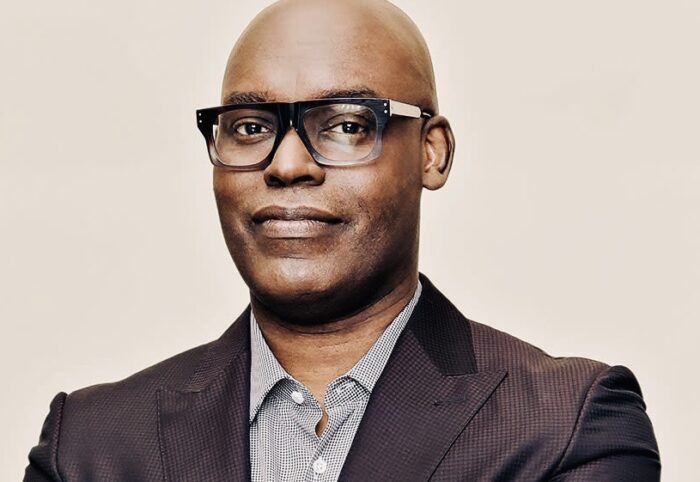
“I want to be clear,” he said. “Claims that the film was rejected due to censorship are unequivocally false. I remain committed to working with the filmmaker to meet TIFF’s screening requirements to allow the film to be screened at this year’s festival. I have asked our legal team to work with the filmmaker on considering all options available.”
In a joint statement on August 14, Bailey and Avrich said, “We have worked together to find a resolution to satisfy important safety, legal, and programming concerns. The Road Between Us: The Ultimate Rescue will be an official TIFF selection at the festival this year, where we believe it will contribute to the vital conversations that film is meant to inspire.”
The film tells the story of Noam Tibon, a retired Israeli general who drove south from Tel Aviv to save his son, the Haaretz journalist Amir Tibon, and his family. TheTibons lived on Nahal Oz, a kibbutz near the Gaza Strip that had been attacked by Hamas terrorists.
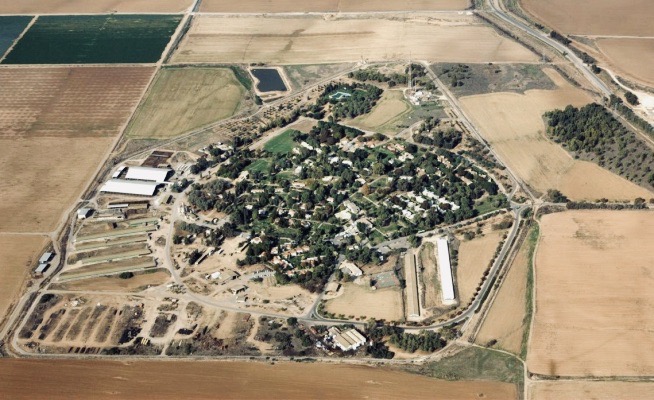
The Road Between Us uses footage culled from the cameras of terrorists who filmed their deadly rampage, which resulted in the deaths or abductions of about one quarter of Nahal Oz’s population of 400.
On August 12, the magazine Deadline reported that TIFF had pulled the film from its line-up. Claiming it had not fulfilled “general requirements,” TIFF expressed concern that the filmmakers had not received permission from Hamas to use their clips in the movie.
Fearing a potential lawsuit, TIFF reportedly requested a letter of indemnification from the filmmakers legally accepting liability for any copyright violations or other legal issues that could arise from its screening.
TIFF, too, was concerned that the film could provoke a “significant disruption” from anti-Israel protesters.
TIFF’s rationale for rejecting the film aroused indignation. Speaking to Channel 12, an Israeli television station, line producer Talia Harris Ram described TIFF’s decision as “a bit of a joke.”
“The topic of creators’ rights is something I work with regularly,” she said. “There’s no legal problem with showing these clips, which were already streamed live on October 7. From an intellectual property standpoint, they are clearly in the public domain.”
She was right, of course.
The Hamas atrocity clips have been televised over and over again in Israel and around the world without any reaction from Hamas.
As critics have correctly pointed out, does anyone out there really believe that Hamas would authorize the use of irrefutable filmed evidence of its war crimes?
TIFF’s fear that the festival would be significantly disrupted by protesters was also misplaced. Palestinian demonstrators and their supporters might well stage protests, but surely this threat was not a legitimate reason to ditch a film about an epochal event that already has changed the political landscape of the Middle East.
One suspects that dishonorable ulterior political motives were at work in TIFF’s deeply flawed decision to boycott a film that deserves a wide audience. Could it be that anti-Israel and anti-Zionist voices in TIFF temporarily prevailed and convinced Bailey to drop it?
It is heartening that TIFF has reconsidered its position and is keeping The Road Between Us in its line-up. But it is equally disheartening that TIFF was ready to abandon it.