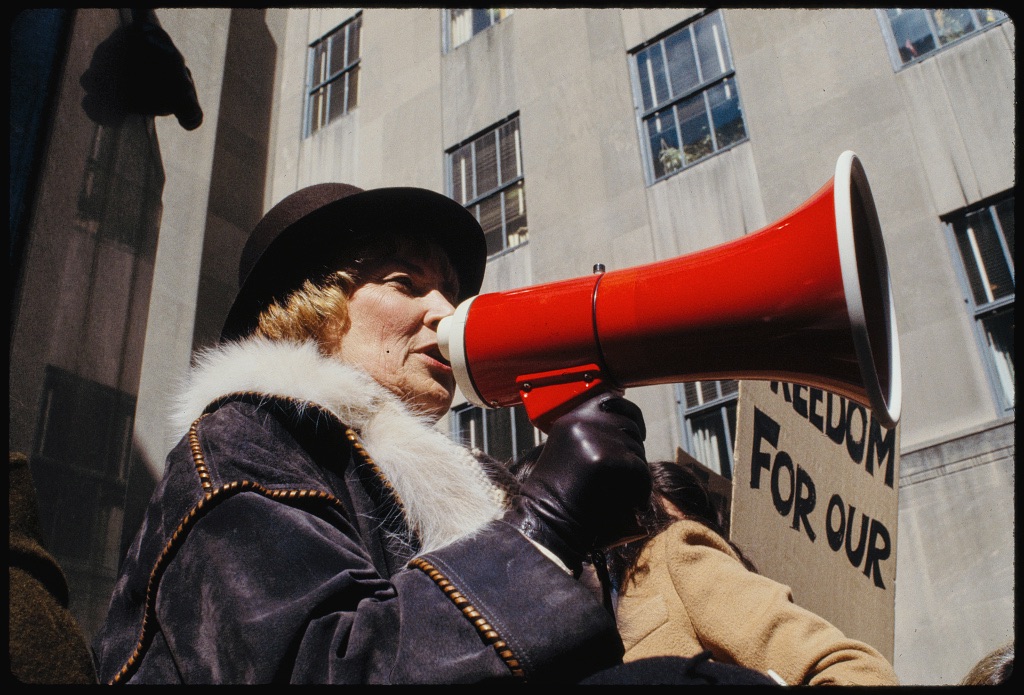
The late Bella Abzug aroused strong reactions. “She was loved and definitely hated,” says her daughter, Liz, in a succinct summation.
A brash and flamboyant American social activist and politician who served in the House of Representatives in the 1970s, Abzug is the subject of the ironically titled Bella! This Woman’s Place Is In The House, a vivid biopic by Jeff Lieberman due to be broadcast on the PBS network on March 17 at 9 p.m. (check local listings).
A progressive Democrat credited with introducing far-reaching legislation, she was a transformative figure, in the opinion of Nancy Pelosi, the Speaker of the House of Representatives until a few years ago. Hillary Clinton, the former U.S. secretary of state and presidential aspirant, was inspired by the example she set.
This sympathetic documentary fills in the granular details of her relatively short-lived career through archival photographs and film clips.
Known as Battling Bella, Abzug lobbied for child care subsidies and introduced the first gay and lesbian rights bill. She campaigned for women’s rights, including their right to seek an abortion. She raised environmental and mass transit issues at a time when they were still mostly under the radar.
She and her colleague, George McGovern, were the first members of Congress to denounce America’s involvement in the Vietnam war as illegal.
The spunky daughter of Russian Jewish immigrants, she was born and raised in New York City. Her father, a socialist, was a butcher who owned the Live and Let Live Meat Market.
Steeped in social justice values, Abzug studied law and became a labor lawyer. During the civil rights era, she defended an African American man in Mississippi who was accused of raping a white woman.
She and her husband, Martin, angered neighbors when they sold their house to an African American family.
During this period, she joined Women Strike for Peace, an anti-war organization.
Described as a “proud and observant Jew,” she was a Labor Zionist who would grow critical of Israeli government policies. This dimension of her thinking is left unexplored.
Bella! credits John Lindsay, the mayor of New York City, with having encouraged her to run for Congress. “We desperately needed her voice,” her old friend, the singer Barbra Streisand, says.
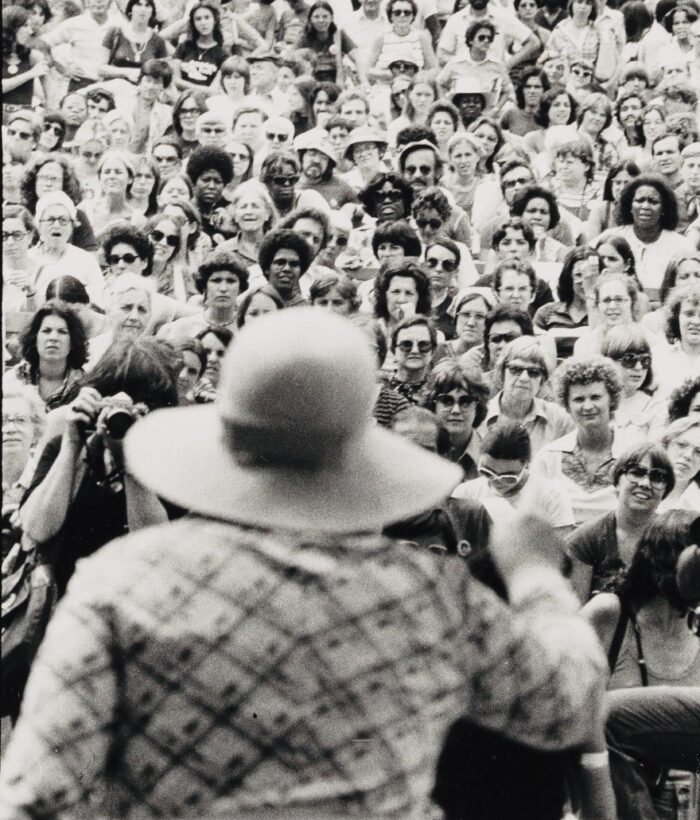
When she was elected, she was one of only 12 women in the House of Representatives. Blunt, candid and abrasive, and given to wearing flaring wide hats, she had a considerable ego and did not always endear herself to her fellow politicians.
She declared her candidacy for the U.S. Senate in 1976, but was narrowly defeated by Patrick Moynihan in the Democratic primary. It was a painful moment for Abzug.
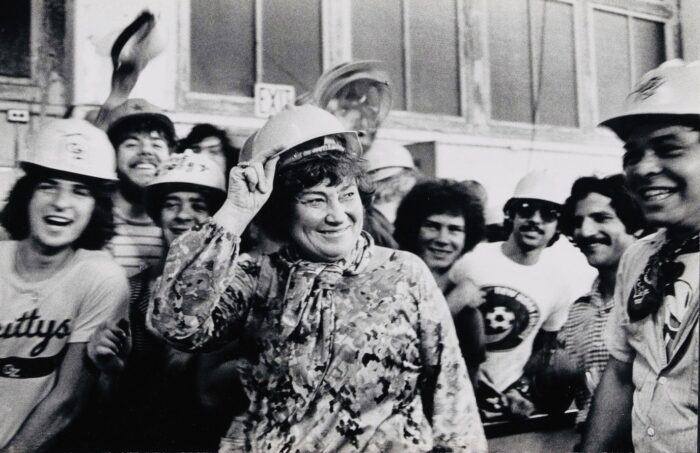
Eager to return to public office, she contested the mayoralty of New York City, but lost to Ed Koch. When he vacated his seat in Congress, she campaigned for it, but fell short.
In 1986, she ran for a congressional seat yet again, but dropped out of the race after her husband died. His death left her inconsolable.
Abzug died in 1998 due to complications following heart surgery. She was 77. As Bella! strongly suggests, she was an extraordinary woman who fought the good fight.
This engaging documentary tells us why she is still an unforgettable figure in American politics.