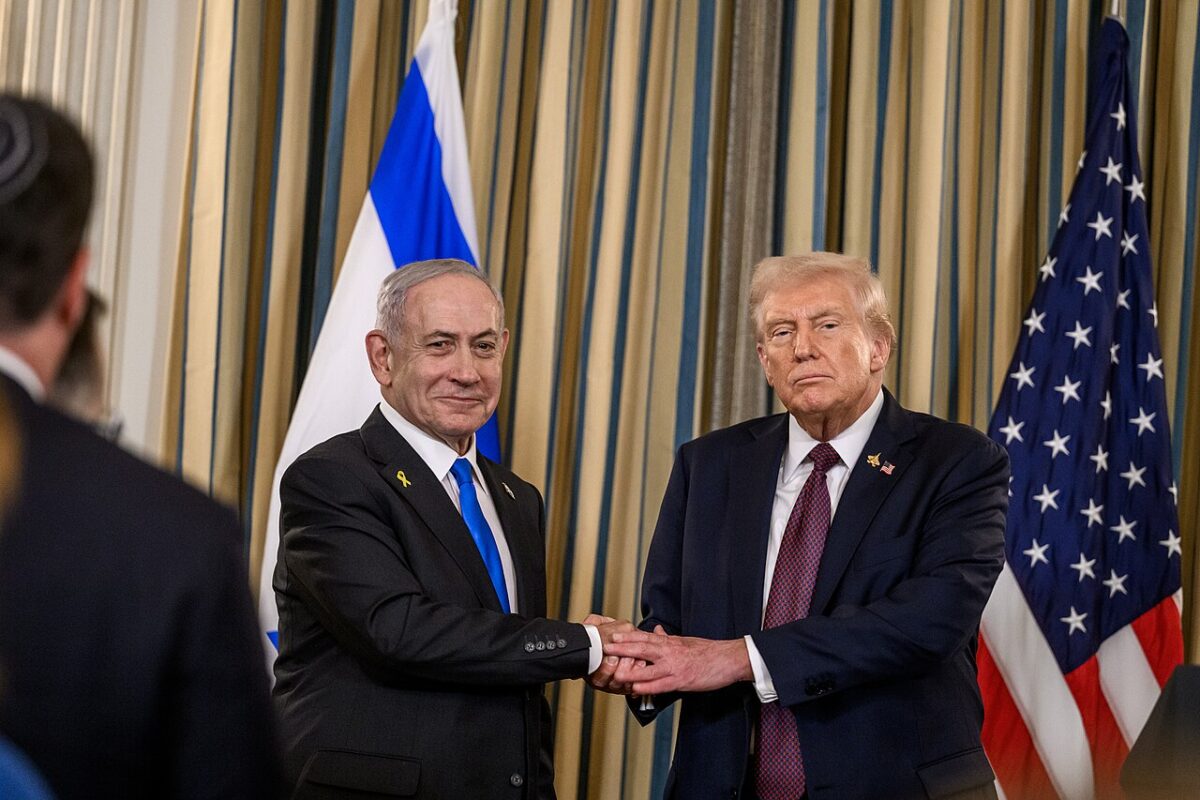
The nearly one-month-old war pitting the United States and Israel against Iran shows no signs of letting up, but President Donald Trump is clearly trying to end it on his own terms.
Over the past few days, as U.S. and Israeli aircraft have continued to bomb Iran, Trump has issued both optimistic and threatening pronouncements.
He announced that his representatives are engaged in negotiations with Iran to achieve a “complete and total resolution” of the conflict. He disclosed that Secretary of State Marco Rubio and Vice President JD Vance have participated in the discussions.
He boasted that the United States and Iran have had “really good discussions” to resolve it. Claiming that they are close to an agreement that would lead to a total cessation of hostilities, he said that Iran is “desperate” for talks and desires a peaceful outcome.
On March 26, he said that Iran is “begging” for a deal. If Iran refuses to sign on the dotted line, “we’ll just keep blowing them away,” he warned.
It is difficult to ascertain whether Trump is exaggerating or just engaging in wishful thinking, but this much seems certain. He is interested in winding down a war that is definitely unpopular among the majority of Americans, polls indicate.
His motives are clear.
He hopes to declare “victory” and extricate himself from could be a Vietnam or Iraq-style morass that could tarnish his presidency and alienate his Republican Party supporters.
And he seeks to bring down skyrocketing oil and natural gas prices, which have directly affected the global economy.
Iran is downplaying his claims that a deal is imminent, driven by the assumption that Trump is insincere. During the previous two rounds of U.S.-Iran talks in 2025 and earlier this year, Trump ordered surprise attacks.
And of late, he has deployed thousands of troops to the region, heightening Iran’s supposition that his desire for peace is little more than a trick. Iran, from its perspective, does not want to be fooled again by Trump’s maneuvers.
Consequently, the Speaker of the Iranian parliament, Mohammed Galibaf, has denied that talks have even taken place. He accused Trump of attempting to “manipulate financial and oil markets.”
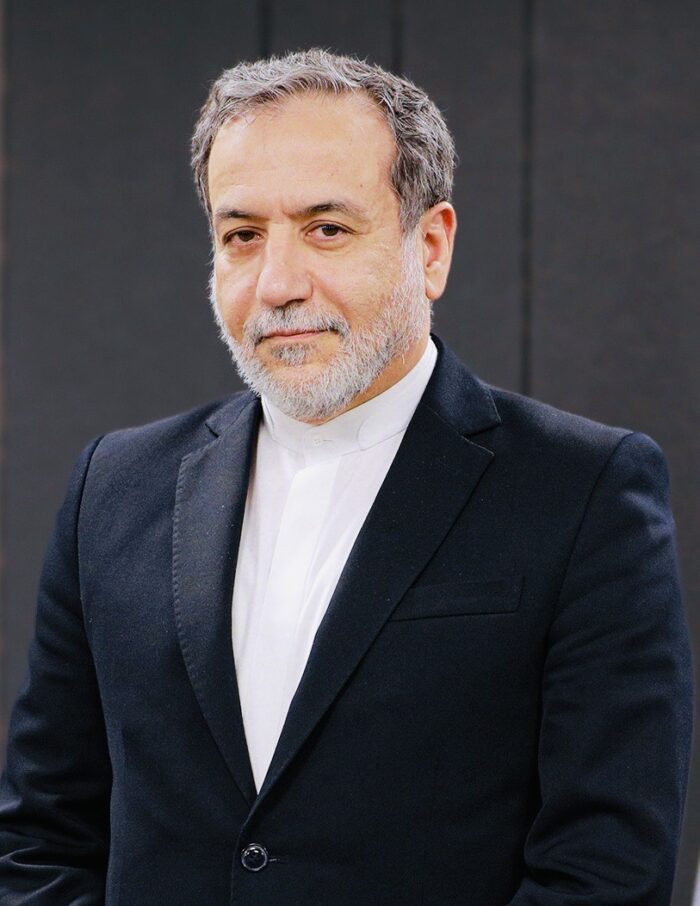
Iranian Foreign Minister Abbas Araghchi has stated that Iran has no intention of negotiating with the United States, but has acknowledged that the Trump administration has sent messages to Iran via mediators. Meanwhile, Iranian officials have indicated that they are open to negotiations and a ceasefire.
Pakistan, Turkey and Egypt, all U.S. allies, have been involved in the mediation process.
Iran’s suspicion of Trump partially accounts for its rejection of his 15-point peace plan. The White House has not confirmed its contents, but Trump’s press secretary has admitted that there are “elements of truth” in it.
Trump’s plan would reportedly require Iran to dismantle its nuclear program, stop its enrichment of uranium, reduce the size and range of its ballistic missiles, drop its support of proxies like Hezbollah and Hamas, and reopen the strategically important Strait of Hormuz to all merchant ships.
Iran has rejected the plan, regarding it as a form of surrender. By no coincidence, it bears a remarkable resemblance to demands that the U.S. presented to Iran last month at their third round of negotiations, which collapsed on February 28 after the United States and Israel jointly struck Iran.
Still smarting from the attacks, Iranian officials have told the media that Iran will not allow Trump “to dictate the timing of the war’s end.”
The Iranian regime has listed five conditions to wind down the war, The Wall Street Journal reports: a complete halt to “aggression and assassinations by the enemy,” the payment of reparations for bombing damage, guarantees that Iran’s ballistic missile program will be left untouched and that Israel will not strike Hezbollah, and the demand that Iran can impose a toll on ships transiting the Strait of Hormuz.
These conditions appear to be unacceptable to Trump.
Israel, fearing a premature truce, has stepped up efforts to destroy as much of Iran’s military and nuclear capabilities as possible. Yesterday, Prime Minister Benjamin Netanyahu ordered a 48-hour air campaign to cripple Iran’s weapons manufacturing industry, according to The New York Times.
Three days ago, however, Netanyahu sounded more upbeat, expressing confidence that Trump’s quest for a deal would protect Israel’s “vital interests” and enable the U.S. and Israel to achieve their goals. Speaking in this vein, he said, “We are crushing the missile program and the nuclear program.”
Interestingly enough, Israel is not the only country in the region that opposes an immediate ceasefire.
The New York Times has reported that the de facto ruler of Saudi Arabia, Crown Prince Mohammed bin Salman, privately told Trump that the United States’ and Israel’s military campaign in Iran represents a “historic opportunity” to rid the region of Iran’s Islamic fundamentalist regime and reshape the Middle East.
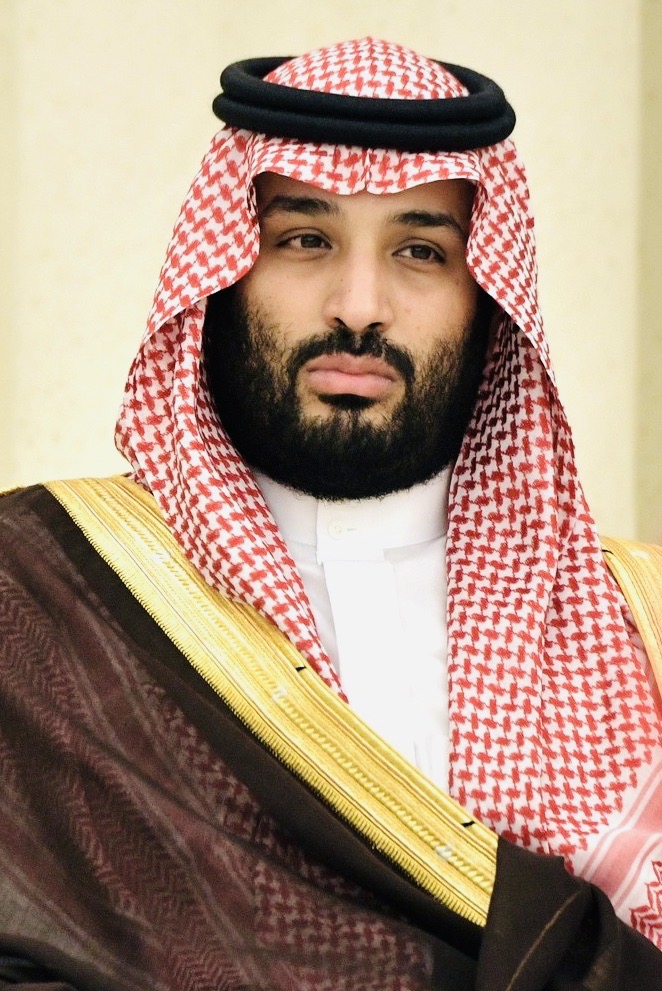
Saudi government officials debunked the report, saying that Saudi Arabia is pushing for a peaceful resolution of the conflict. Yet the Times’ story sounds plausible.
The Saudi prince is concerned that, if the U.S. and Israel do not finish the job, Iran will continue to choke off the Strait of Hormuz, through which much of Saudi, Emirati and Kuwaiti oil passes to reach international markets.
The prince appears to believe that, if the Iranian regime survives the U.S. and Israeli onslaught, Iran might be emboldened to rigorously regulate the passage of shipping through the Strait of Hormuz. Although Saudi Arabia and the United Arab Emirates have built pipelines to circumvent the strait, these alternative routes could be attacked as well.
The prince apparently fears that Saudi Arabia and the rest of the Gulf states would be exposed to further Iranian ballistic missile and drone attacks, which already have damaged oil and gas fields and refineries.
The Saudis have not forgotten that, on September 14, 2019, Iran supported a Houthi ballistic missile and drone attack on Saudi oil-processing facilities, an incident that temporarily knocked out half of its production.
Fearing future Iranian aggression, and convinced that its alliance with the U.S. offered only partial protection from Iran, Saudi Arabia reestablished relations with Iran in 2023. The United Arab Emirates, for similar reasons, sought to improve its fraught relationship with Iran.
Since the eruption of the war, Saudi Arabia and the other Gulf states seem to have reached the conclusion that the Iranian regime is a source of aggression and instability, that it cannot be trusted, and that it must be removed.
Yet, as countless observers have pointed out, Iran’s resilient leadership is deeply entrenched despite a series of Israeli assassinations, enjoys the support of tens of millions of Iranians, and is hell bent on surviving the gravest crisis in its history.