A profusion of books and monographs has been published on a topic fraught with passion and controversy — American Jews and slavery in the United States. Richard Kreitner is the latest author to enter this field. Fear No Pharaoh: American Jews, the Civil War, and the Fight To End Slavery (Farrar, Straus and Giroux) ranges far and wide and illuminates this period through the lives of six American Jews who were embroiled in this historic struggle.
Kreitner, an American journalist, provides readers with a rounded portrait of Jewish slaveholders and abolitionists alike and offers a cogent analysis of how the U.S. Civil War affected southern and northern Jews.
Writing fluently and with authority, he has produced a first-class book that is likely to hold up as an indispensable source.
The six Jews at the center of his narrative are radically different.
Rabbi Morris Jacob Raphall, the spiritual leader of B’nai Jeshurun, a synagogue in New York City, was a traditionalist who believed in the Confederate cause. He argued that the Bible endorsed the practice of slavery.
David Einhorn, a rabbi in Baltimore, maintained that Jews in America would be insecure as long as slavery existed.
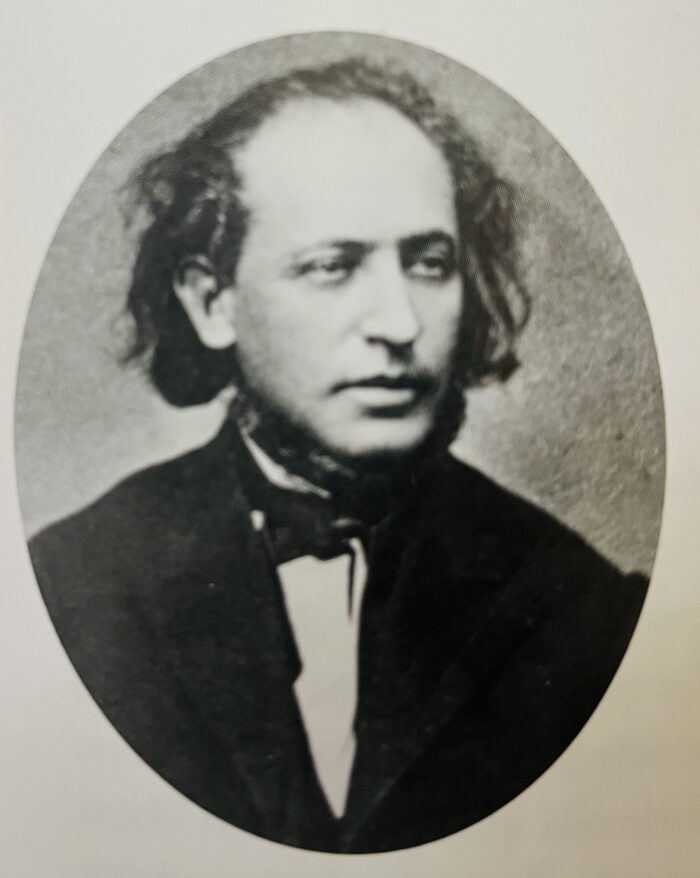
Isaac Mayer Wise, a rabbi in Cincinnati, adopted a middle-of-the-road position, saying that silence on this issue would best protect Jews.
August Bondi, an immigrant from Europe, was appalled by the mistreatment of enslaved people and associated himself with the abolitionist John Brown.
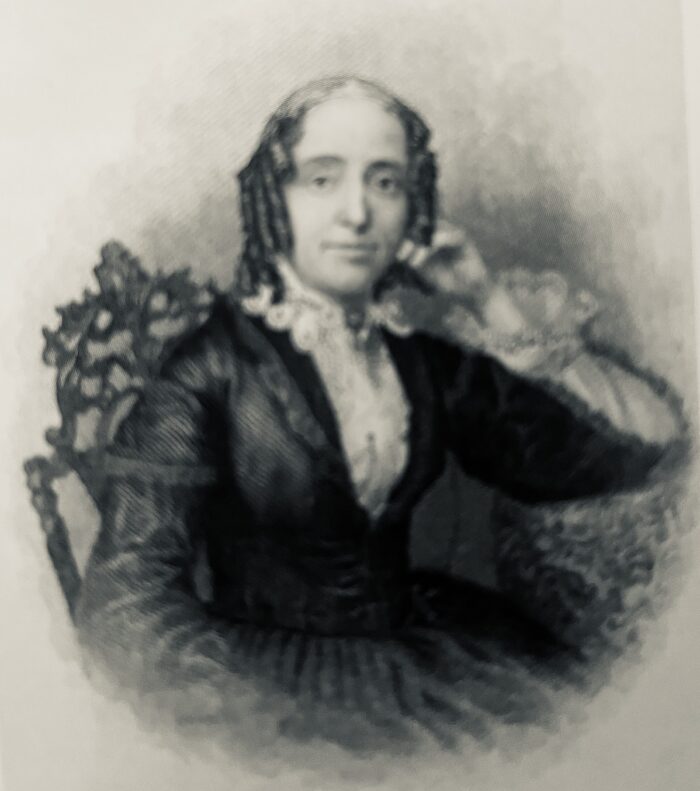
Ernestine Rose, the daughter of a Polish rabbi, condemned the subjugation of women, economic inequality and chattel slavery. Her foreign birth, Jewishness and atheism set her apart from the predominately Protestant speakers at anti-slavery and women’s rights meetings.
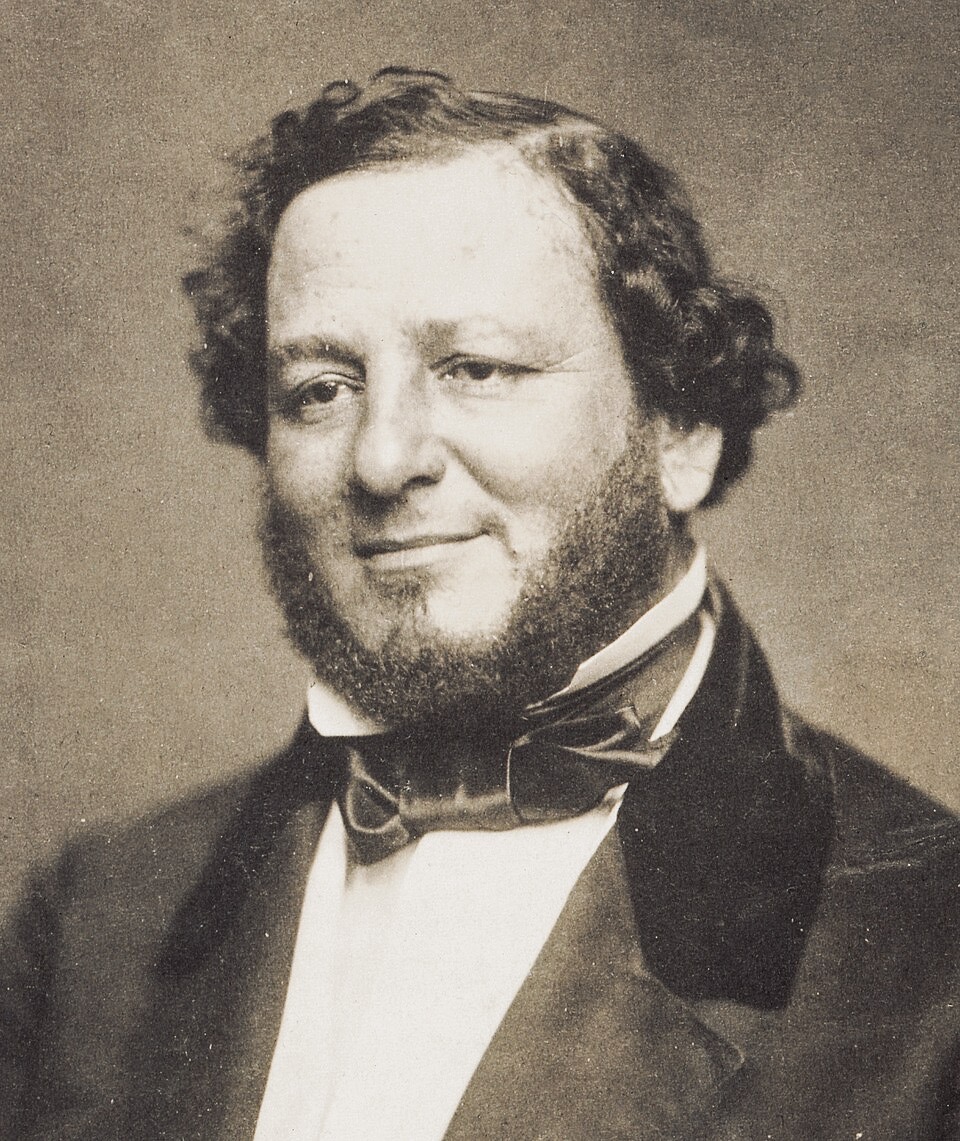
Judah Benjamin, the sixth person profiled by Kreitner, stands heads and shoulders above the others in terms of stature and influence. A close advisor of Confederacy President Jefferson Davis, he served as attorney general, secretary of war and secretary of state during the Civil War.
“He rose to unprecedented heights for a Jewish politician at the time,” writes Kreitner.
Born on the British Caribbean island of St. Croix, Benjamin was the son of Sephardi Jews from London. When he was two years old, his parents moved to the United States and eventually settled in Charleston, South Carolina, the commercial capital of the deep south and then the home of the largest Jewish community in the United States. The city was defined by slavery, with slave auctions being a daily occurrence.
A lawyer and a slave holder, Benjamin defended slavery on moral, political and constitutional grounds.
Elected as a senator from Louisiana in 1852, he was only the second Jewish person to serve in the U.S. Senate. An assimilated Jew, he married a Catholic and raised their children as Christians.
Despite his success in politics, he faced antisemitic slurs during his career.
Antisemitism was rife in abolitionist circles as well. William Lloyd Garrison, the leader of the radical wing of the anti-slavery movement, embodied the anti-Jewish tendencies of some abolitionist leaders. “While he cited the prophets of the Old Testament, Garrison rarely had a kind war to say about modern-day Jews,” says Kreitner.
Kreitner is remarkably frank about the relationship between Jews and slavery. As he puts it, “Slavery and the bigotry that supported it deflected much of the hostility that Jews had faced in the Old World … Jews benefited from the direction of racial hostility toward enslaved Black people.”
He adds, “Jewish immigrants would have been less welcome in the United States had the presence of racial slavery not put them on the right side of a starkly drawn color line. In their newly adopted homeland, race mattered more than religion.”
A few southern Jews participated in the slave economy, says Kreitner, citing names and places. The Davis family of Richmond established a slave-trading dynasty. Benjamin Mordecai, one of the wealthiest entrepreneurs in Charleston, purchased $12,000 worth of slaves in a single auction.
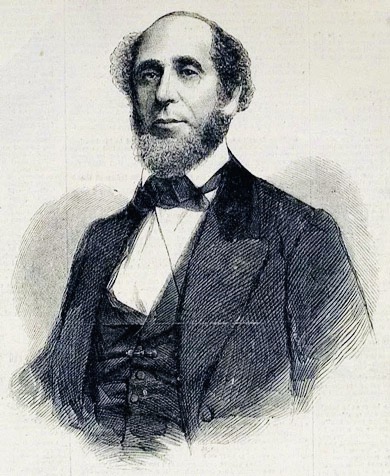
Jacob Cardozo, a prominent editor and economist in Charleston, claimed that slavery offered a “reciprocity of protection and obedience” for slave owners and slaves.
Kreitner devotes a chapter to the historic link between Jews and slavery. “For hundreds of years, Jews in the New World participated in slavery and the slave trade. They were investors and creditors, importers and exporters, agents and auctioneers, masters and mistresses. Thousands of men, women and children were bought on the coast of Africa and shipped in miserable, deadly conditions across the Atlantic on vessels owned by Jews.”
While many Jewish slave traders were based in the Caribbean, such as Alexander Lindo of Jamaica, many others lived in seaboard towns and cities that became part of the United States.
The extent of Jewish involvement in the Atlantic slave trade has been wildly exaggerated by antisemites such as Nation of Islam leader Louis Farrakhan, he notes. “Yet even if Jewish traders were responsible, as one estimate has it, for a fraction of one percent of the roughly twelve million people seized from Africa and transported to the Americas, that still amounts to tens of thousands of individuals.”
The truth is that Jews were “neither disproportionately invested in slavery nor consistently opposed” to it, he observes. “Conflicted and divided, implicated and appalled, Jews were pretty much like everyone else.”
In his estimation, roughly 25 percent of southern Jews owned at least one slave, a figure that mirrors the rest of the population. Slave owners ran the gamut from rabbis and community leaders to public office holders and the founders of philanthropies.
Citing the historian Bertram Korn, Kreitner says that participation in slavery was not regarded as “incompatible with being a good Jew.”
When the Civil War broke out in 1861, the Jewish population in the United States numbered 150,000, compared to only 15,000 two decades earlier. Six thousand Jews joined the Union army, while 3,000 filled the Confederate ranks. High-ranking officers in the Confederacy included David Camden De Leon, the surgeon general, and Abraham Charles Meyers, a West Point graduate from Charleston who became quartermaster-general.
The war offered Jews a chance to exhibit their patriotism, yet it triggered an unprecedented explosion of antisemitism on both sides of the conflict.
Much of the animus was directed at Jewish bankers and businessmen. In a notorious case, Ulysses Grant, a Union army commander and a future president, issued General Order Number 11 in 1862. It ordered all Jewish traders and residents in much of Mississippi, Kentucky and Tennessee to be deported. The order was rescinded by President Abraham Lincoln, who had advance knowledge of it.
The wartime surge in antisemitism in the north ebbed as the tide turned against the Confederacy. In the south, prejudice against Jews took longer to recede.
During the postwar era, a small number of southern Jews joined white militias, whose goal was to disenfranchise African Americans, who had gained the right to vote during the short-lived Reconstruction era. There were even Jewish members of the first Ku Klux Klan, which quickly turned against Jews. Bernard Baruch, a Jewish financier and President Franklin Roosevelt’s advisor, recalled in his memoir that, as a child, he found a Klan robe and a hood among his father’s clothes.
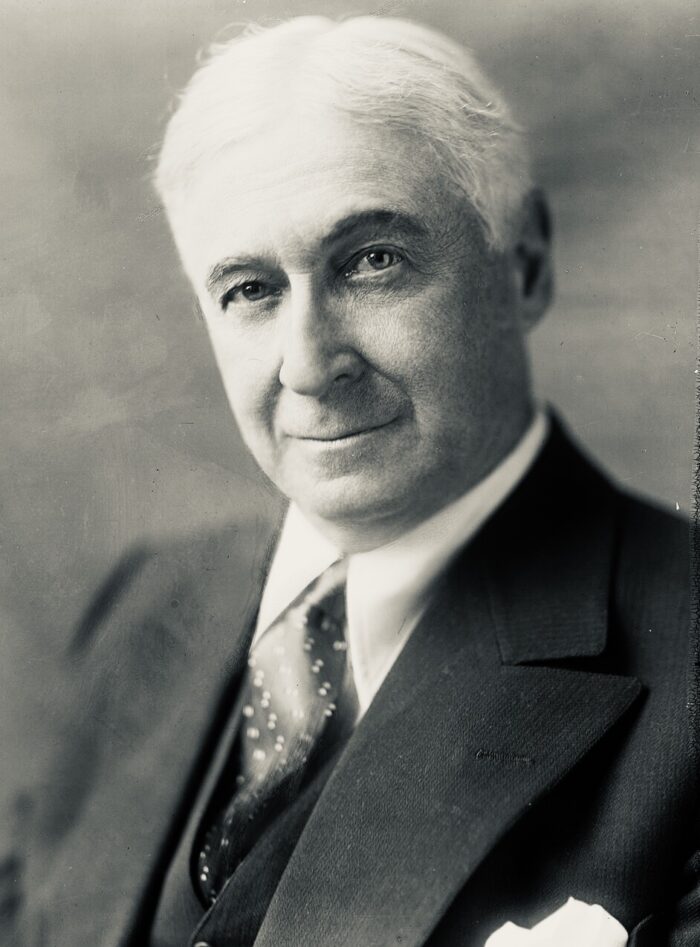
“So long as Jews respected the white population’s rigid racial hierarchy, they would be left alone,” says Kreitner. But those who stepped out of line were duly punished.”
As a rule, Jewish merchants fared well in the south after the Civil War, becoming middlemen between northern capitalists and southern farmers. By the 1880s, they owned upwards of three-quarters of all general stores in the southern states.
The climate in the south eventually shifted against Jews, says Kreitner. “The south went from being the part of the country most friendly to Jews to the least … where Jews … took their place … as hated outsiders.”
A wave of violence, aimed at Jews, culminated with the lynching of Leo Frank in Georgia in 1915. William Faulkner’s 1931 novel Sanctuary, contains an inflammatory rant by a politician: “The lowest, cheapest thing on this earth aint a nigger: it’s a jew. We need laws against them. Drastic laws.”
In the north, a hotel in Saratoga Springs, New York, refused in 1877 to accept Joseph Seligman, a wealthy Jewish merchant, as a guest. “Less privileged Jews also faced widespread discrimination,” says Kreitner. “They had trouble finding jobs in certain industries, applying for loans and renting or buying homes …”
While some northern Jews worked to secure equal rights for African Americans, some southern Jews supported the racial status quo.
Kreitner, a skilled writer, deftly fuses these strands together in his flowing narrative and produces an accessible and intellectually sound and engaging book that both laymen and scholars will likely appreciate.