The United States and Iran are enmeshed in a no-war, no-peace deadlock that could easily escalate into an all-out war again should there be no major diplomatic breakthrough.
The war that the United States and Israel initiated against Iran on February 28 has mutated into a bruising war of attrition, which has oscillated between periods of armed conflict and bouts of negotiations in the last few months.
Since July 7, U.S. forces have bombed Iran in a concerted air campaign aimed at breaking the impasse over the Strait of Hormuz. U.S. air strikes have hit, among other targets, coastal defence systems, missile and drone sites and “maritime capabilities.”
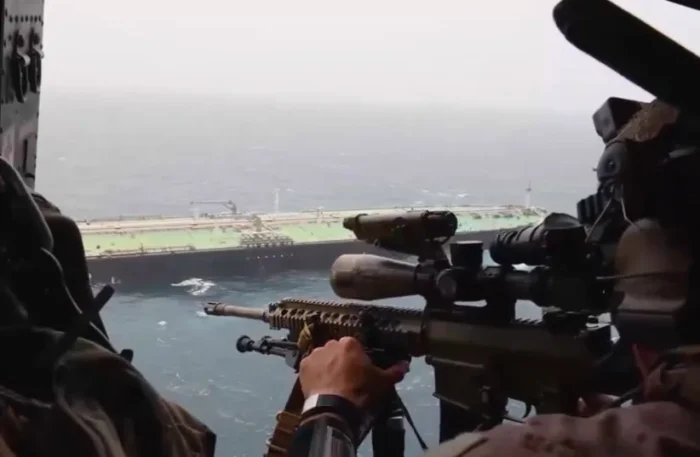
“The strikes are designed to further degrade Iranian military capabilities used to attack commercial shipping in the Strait of Hormuz,” the U.S. Central Command said in a recent communique.
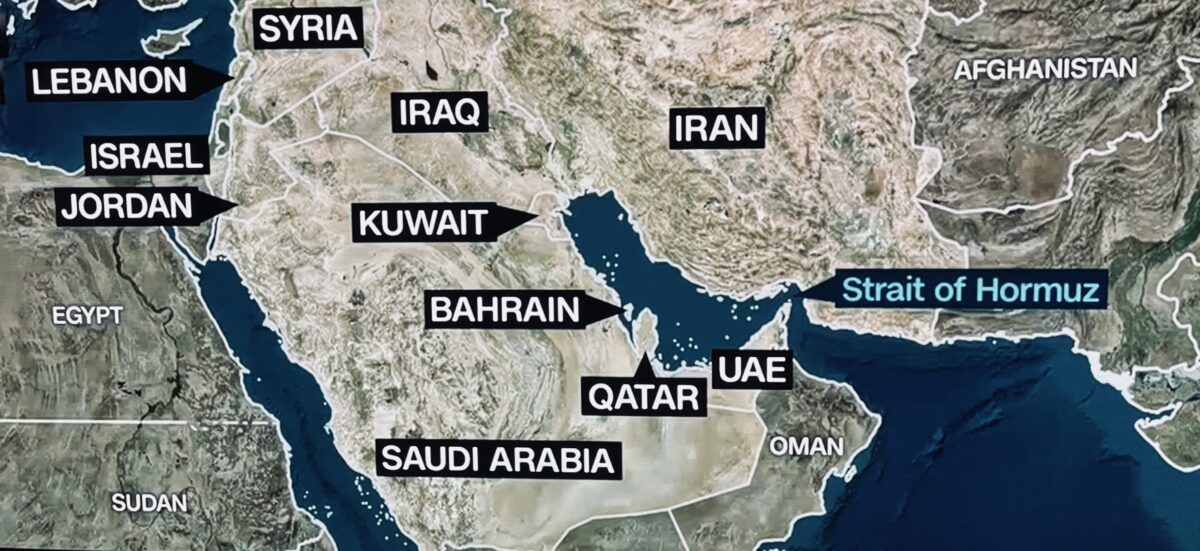
Iran has retaliated by firing ballistic missiles and drones at U.S. bases and critical infrastructure in Kuwait, Bahrain, the United Arab Emirates, Oman, Saudi Arabia and Jordan. These strikes have caused considerable damage and claimed the lives of several American soldiers and a small number of Arab civilians. Since February, 17 U.S. troops have been killed and about 500 wounded.
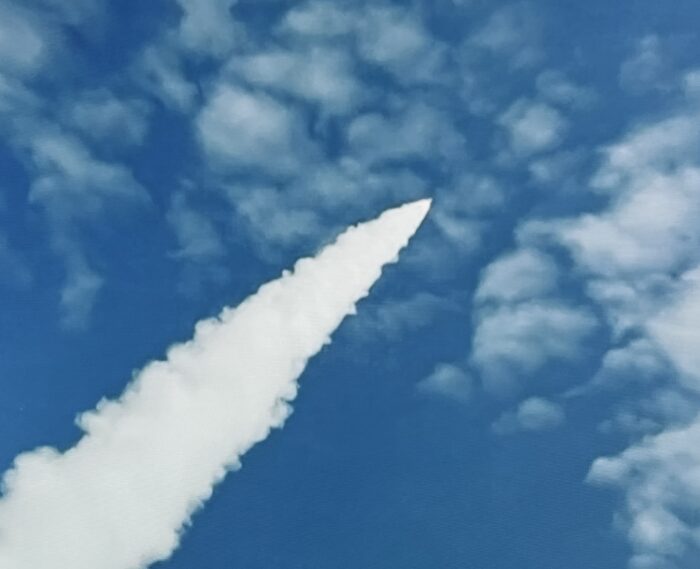
“Iran likely calculates that sustained attacks and rising U.S. casualties will generate domestic pressure on the United States to end the conflict, force (it) to surrender, and accept Iranian control over the strait,” says the Institute for the Study of War.
The ongoing battles have driven up the price of oil and natural gas, less than four months before midterm elections in the United States in November.
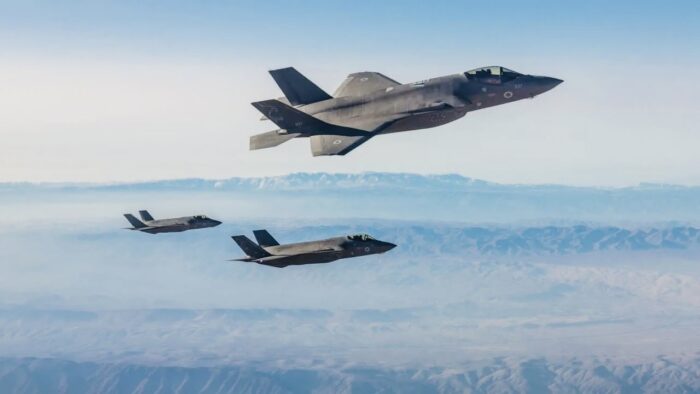
Israel has not been involved, but is ready to join the United States in striking Iran, which has been its most powerful enemy since the 1979 Islamic revolution. “We are prepared to immediately resume combat,” said Israel’s chief of staff, General Eyal Zamir, a few days ago.
On the other hand, judging from Israeli media reports, Israel appears wary of rejoining the war. Israel’s apparent ambivalence is rooted in its perception that the United States may try to stop it in its tracks again. This scenario unfolded in last year’s 12-day war and two months into the current war.
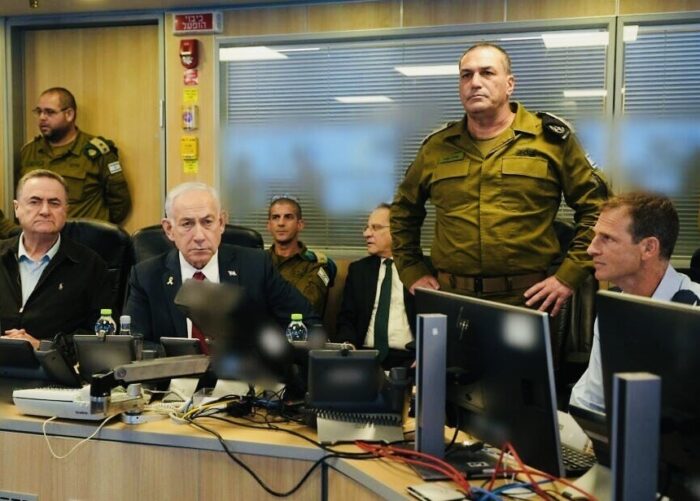
Iran, in any event, has threatened to attack Israel should the United States bomb its “sensitive” infrastructure and its oil fields and refineries, which form the backbone of its economy.
The latest back-and-forth strikes began after Iran fired on commercial ships in the strait, a chokepoint through which 20 percent of the world’s oil and liquified natural gas flows.
With the United States and Iran having accused each other of violating the Memorandum of Understanding (MoU), which was supposed to end the war, Iran closed the strait to most shipping, while the United States reimposed its blockade of Iranian ports in the Persian Gulf. As a result of these events, the ceasefire crumbled and the MoU collapsed. The truce and the MoU were respectively signed in April and last month.
Despite the fighting, talks to resolve their differences are continuing. Pakistan, Qatar and Egypt, which brokered the last truce, are trying to arrange a new ceasefire to give diplomacy another chance.
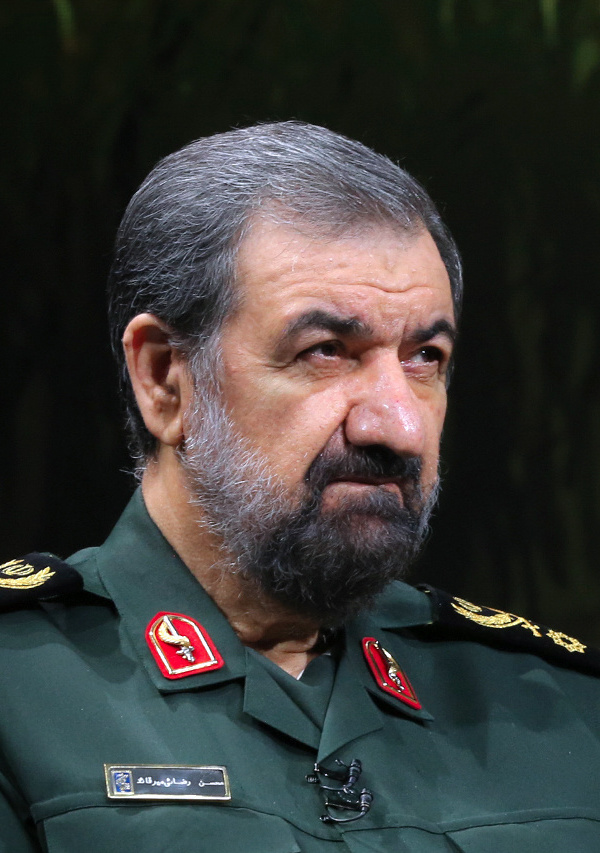
Iran’s supreme leader, Mojtaba Khamenei, has officially declared that the MoU is no longer in effect. He published a statement to this effect on July 18 condemning US “violations.” His military adviser, General Mohsen Rezaei, stated on X on July 17 that “both diplomacy and negotiations … are over.”
Iranian Deputy Foreign Affairs Minister for International and Legal Affairs Kazem Gharibabadi told Iranian state media that Iran is “suspending” its commitments and implementation of the MoU, which has degenerated into a memorandum of misunderstanding.
In the meantime, Iran is coercing vessels to transit through a special route in its territorial waters to prevent them from using a U.S.-approved route through the strait off the coast of Oman.
U.S. President Donald Trump, who claims that Iran will be “defeated very soon,” has threatened to hit Iranian power plants and bridges each time Iran fires on a ship in the strait.
Iranian President Masoud Pezeshkian has announced that his country is “engaged in a fullscale war” with the United States and will have to “accept the natural consequences of this resistance.”
Iran’s top negotiator, Mohammad Bagher Ghalibaf, says that Iran is embroiled in “an essential and existential war with America” and claims that the United States is not interested in ending the current tension.
The Trump administration is demanding that maritime arrangements in the strait, an international waterway, should be restored to their pre-war status quo. This means that Iran must publicly acknowledge that the strait is open to all commercial traffic and that its attacks on vessels will permanently cease.
Viewing control over the strait as a strategic imperative that provides it with valuable leverage, Iran has consistently rejected any return to the pre-war system and insists on charging tolls or fees. For now, Iran requires ships to follow its designated route in near its coast.
The Iranian regime argues that its position is compatible with the MoU’s fifth clause. It requires Iran to make “its best efforts” to ensure the safe, free-of-charge passage through the strait for 60 days and calls for talks with Oman and other Persian Gulf states to define the strait’s future administration and maritime services.
Iran’s ambassador to Pakistan, Reza Amiri Moghadam, claimed on X on July 18 that the United States interpreted the MoU in a manner inconsistent with its original intent and used it to ”gain control” over the U.S.-sponsored southern corridor close to Oman.
The Reuters news agency reported on July 8 that Iran is determined to exert full control over the strait. Reuters added that Iran would equate its loss of control to abject “surrender,” and will not discuss its nuclear program unless the United States recognizes its authority in the strait.
The impasse between the United States and Iran has widened since the Houthis, an Iranian proxy in Yemen, announced a naval blockade against Saudi Arabia in the Red Sea earlier this month. The announcement is bound to increase the cost of shipping through the Red Sea, which has been an alternative route for Gulf oil exports for the past five months.
“Iran is trying to expand the geographical scope of its conflict with the United States to the Red Sea to cause further disruption to international markets and impose additional costs on the United States,” says the Institute for the Study of War.
In light of all these developments, it would appear that Trump has gotten himself into a bind. While he is eager to end the war on his terms, Iran is sticking to its guns, prolonging the struggle that consumes both nations and waiting for the United States to throw up its hands in despair.
As matters stand today, neither Trump nor his partner, Prime Minister Benjamin Netanyahu of Israel, have achieved their stated objectives.
There has been no regime change. The Iranian government is still standing and remains fully in charge. Talks on Iran’s nuclear program and its regional proxies, the primary causes of the war, have not even begun.
The strait was not a problem before the war, but has since morphed into an intractable issue that Iran is trying to use as leverage.
What was supposed to be a four-to-six week war in Trump’s calculations may yet turn into a “forever war,” a scenario he vigorously campaigned against before and after assuming the presidency.
At any rate, this unpopular war has already cost the United States $79.5 billion, according to the Pentagon. The bottom line now is whether Trump’s enormous military and political investment will produce the concessions he is seeking from Iran.