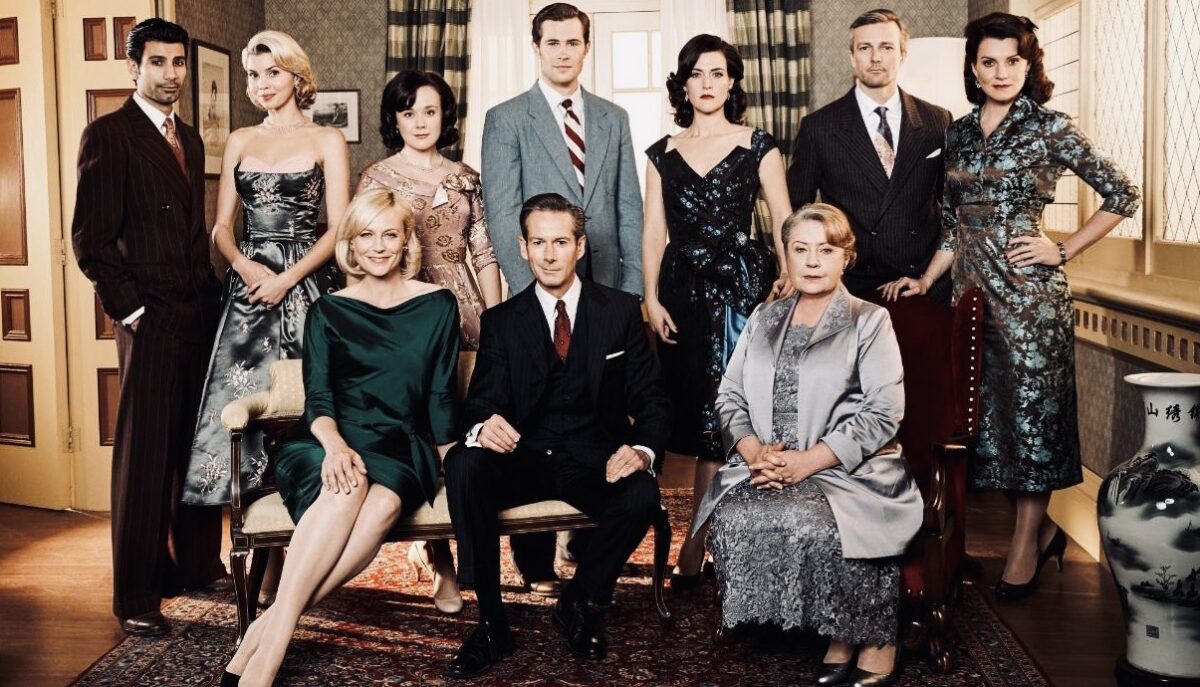
Bevan Lee’s Australian television series, A Place To Call Home, definitely strikes a chord. A vibrant family drama consisting of 67 episodes, it is now available on the Amazon Prime platform.
I was inexorably drawn into it from the very start.
Sarah Adams (Marta Dusseldorp), a nurse and a convert to Judaism whose Jewish husband disappeared during the Nazi occupation of France, returns to her native Australia after World War II. What she wants above all else, as the title proclaims, is “a place to call home,” an abode that will bring her a measure of peace, tranquility and stability.
By chance, she encounters James Bligh (David Berry), a member of a prominent family, on the ship back to Australia. From that point onward, she gradually becomes enmeshed in James’ life and the lives of his father, George (Brett Climo), his sister Anna (Abby Earl), his aunt Carolyn (Sara Wiseman), and his grandmother, Elizabeth (Noni Hazelhurst), the headstrong matriarch of the household.
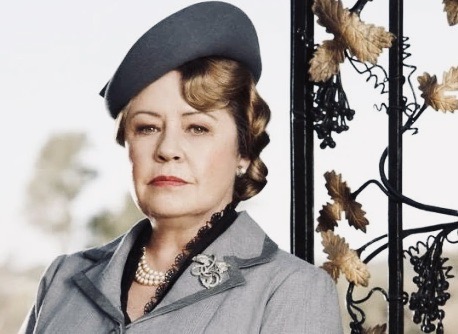
The series, which ran from 2013 to 2018, was cancelled after its second season, causing something of an outcry. But after an injection of further funding, it continued for another four years. While it is set in Inverness, a fictional village in New South Wales near Sydney, much of it unfolds in Ash Park, the Blighs’ mansion, from 1953 to the mid-1960s.
The success it enjoyed is due to several factors.
The screenplay is literate and crackling with tension. The themes range from family secrets and class snobbery to antisemitism.
The cast is uniformly excellent. I never thought I was watching a group of actors reciting lines. It all felt so genuine. Yet it is hardly perfect. Some episodes were boring and could have been deleted altogether. A few characters were superfluous and irrelevant. But on the whole, this is an impressive series with emotional and intellectual heft.
Sarah Adams, a sensitive and discerning woman with a tragic past, is at the core of it. She met her husband, a doctor named Rene Nordmann, in Spain during the Spanish civil war. They returned to France, only to face the specter of a German occupation and a the Vichy collaborationist regime.
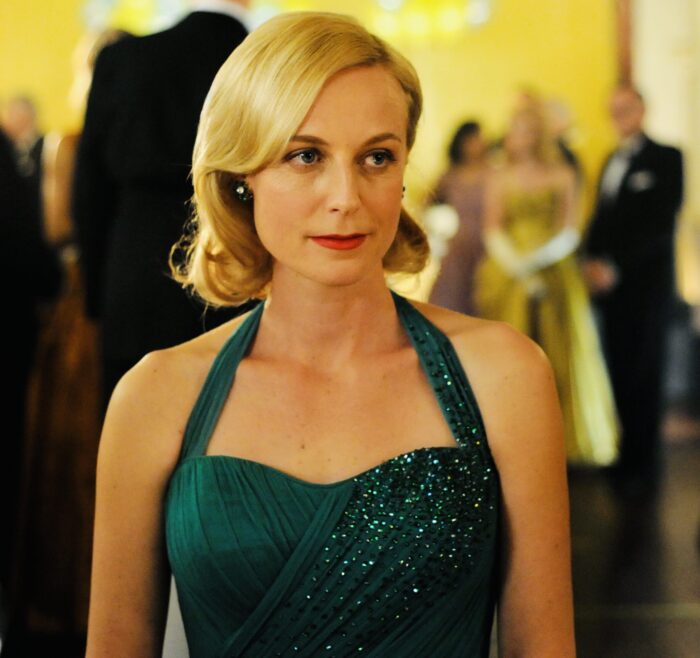
From 1940 onward, French Jews were systematically deprived of their civil rights and subjected to persecution and deportation. Nordmann vanished during a Nazi roundup of Jews. Adams, a French resistance fighter, was sent to the Ravensbruck concentration camp in Germany.
Back in Australia, Adams is still tormented by her wartime experiences and pines for her husband. Adams’ ailing mother, an antisemite, chastises her for having married a Jew and embraced his religion.
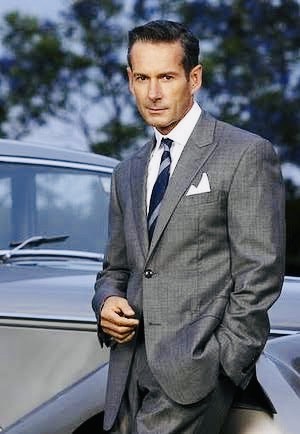
George, a kind-hearted widower, takes a shine to Sara, and they eventually form a romantic relationship. George’s domineering mother dislikes Jews and is concerned that Sara will ruin the family’s social position. His newly widowed, scheming sister-in-law, Regina Standish (Jenni Baird), methodically tries to destroy their budding friendship, maligning Adams with an endless stream of blackmail threats and antisemitic barbs.
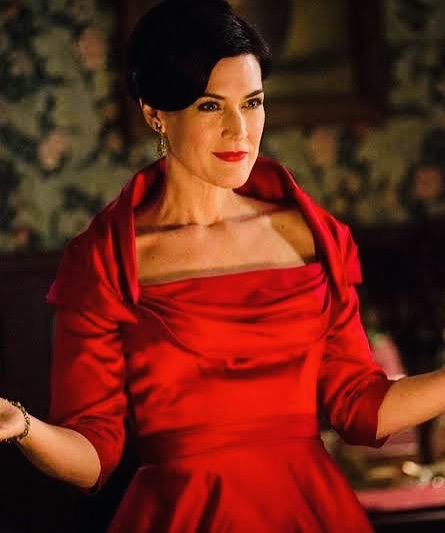
There are no shortage of melodramatic subplots.
Sir Richard Bennett (Mark Lee), a venal, self-interested newspaper and magazine publisher, persuades George to enter politics. For a long time, George is unaware of Bennett’s ulterior motives. Bennett, a shameless womanizer, casts a roving eye on Carolyn, creating a scandal that enrages Elizabeth.
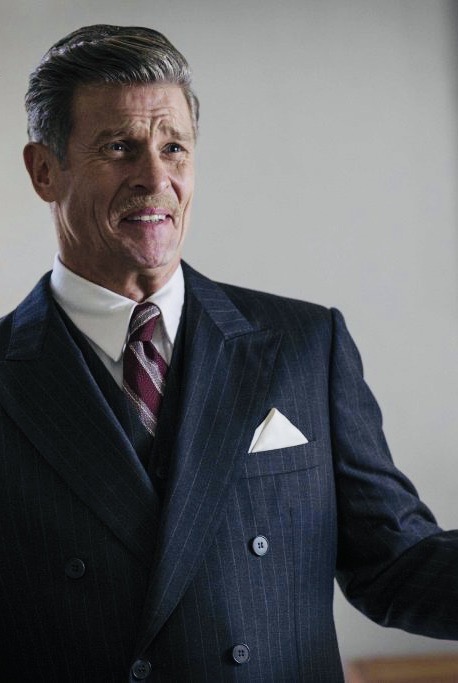
James, a closet homosexual who submits to electroshock therapy to rid himself of his sexual preference, marries Olivia (Arianwen Parkes-Lockwood) a perky British woman. Their marriage is doomed after James contacts an old male companion.

Anna, an aspiring novelist, weds Gino (Aldo Mignone), the son of conservative Italian immigrant farmers and an aspiring wine maker. While she is a cosmopolitan, he is a pious Catholic with a narrow worldview. The obvious question is whether their marriage can survive their profound religious and cultural differences.

Carolyn, a bohemian who has had a distant relationship with her mother, hooks up with an old flame, Jack Duncan (Craig Hall). A rural physician whose horrific mistreatment in a Japanese prisoner of war camp physically degraded and traumatized him, he cultivates a special bond with Carolyn and Anna.
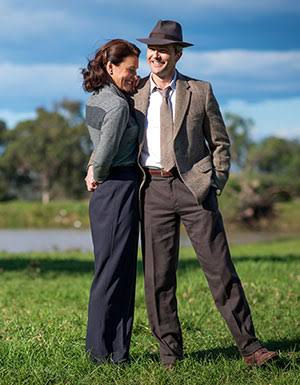
Among the other major characters are Roy Briggs (Frankie Holden), a kindly farmer who develops friendly relations with Adams; Henry Fox (Tim Draxl), a gay physician who is attracted to James and one of his lovers, Harry (Dominic Allburn); Doris Collins (Deborah Kennedy), the village gossip who rides around on a bicycle and ends her sentences with the word “indeed,” and Frank Gibbs (Aaron Pedersen), an Aboriginal war veteran and painter who has been a victim of racism.
A Place To Call Home is lively and thought-provoking entertainment at its best. The storyline is absorbing. The emotions are real. The issues raised are relevant and timely. The production values are first-rate.
Australia can be proud of it.