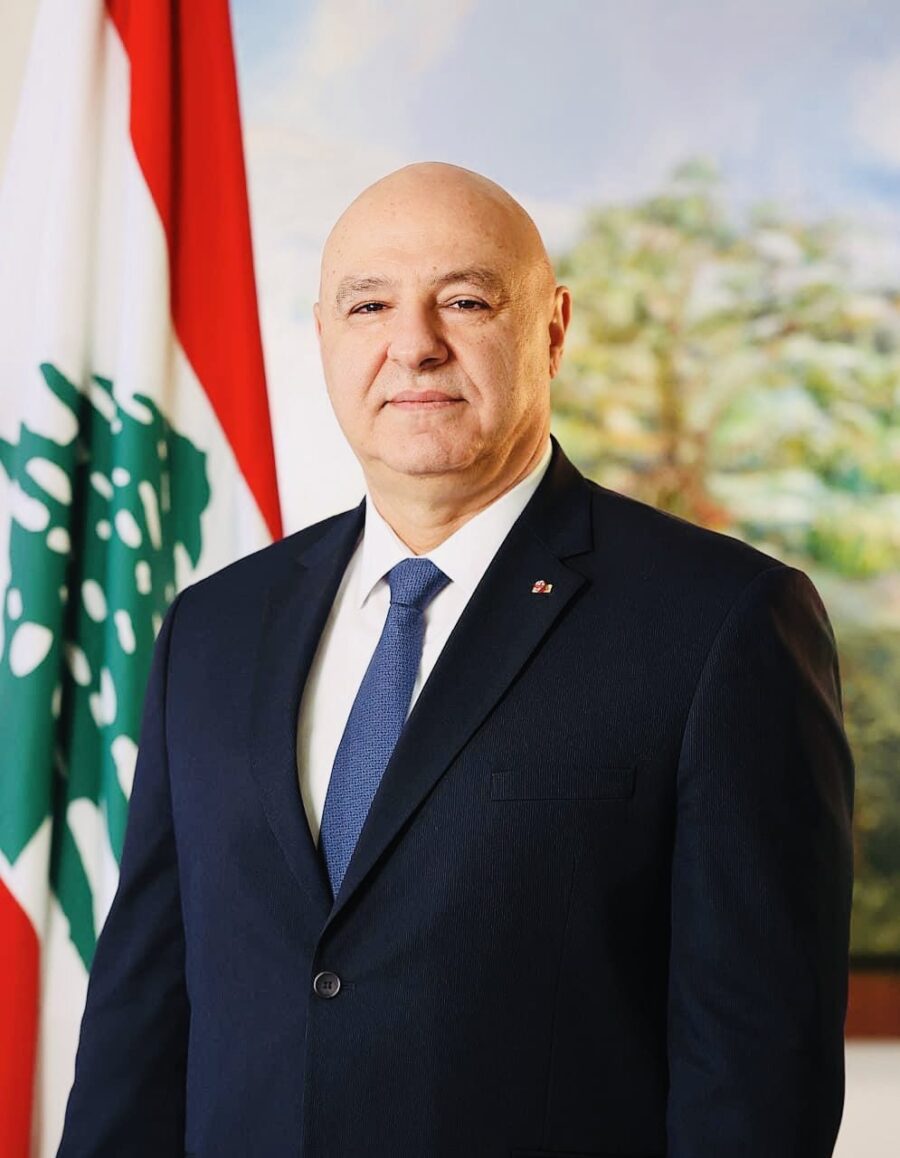
Nearly a month into its third war with Hezbollah since 2006, Israel has expanded its ground and air operations in Lebanon and may yet launch a fullscale invasion of southern Lebanon.
As Defence Minister Israel Katz indicated, Israel intends to create a buffer zone in territory south of the Litani River, a distance of some 30 kilometers from the Israeli border.
As Katz outlined Israel’s plan, Lebanon’s government ordered the expulsion of Iran’s ambassador to Lebanon, Mohammed Reza Shibani. This occurred after Foreign Minister Youssef Rajji withdrew Shibani’s accreditation and declared him persona non grata. He was due to leave Beirut on March 29.
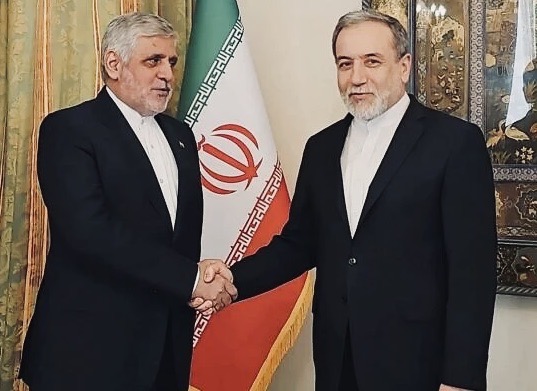
Lebanese President Joseph Aoun, backed by Prime Minister Nawaf Salam, issued this unprecedented order to reduce Iran’s political influence in Lebanon after banning Hezbollah’s military activities outside state institutions and requiring it to disarm.
The Lebanese authorities face an almost impossible task in trying to whittle Hezbollah down to size, given Hezbollah’s vast arsenal of weapons, its influential role in local politics, and its hold on its mainly Shi’a constituency.
Hezbollah is a hard nut to crack. It will be recalled that it captured parts of Beirut in 2008 after the government tried to dismantle its private telecommunication network.
Israel’s current war in Lebanon erupted on March 2, two days after the United States and Israel attacked Iran and decimated much of its leadership. Hezbollah, acting on Iran’s behest, fired rockets into Israel, almost a year-and-a-half after a ceasefire brokered by the United States and France ended the 2024 war.
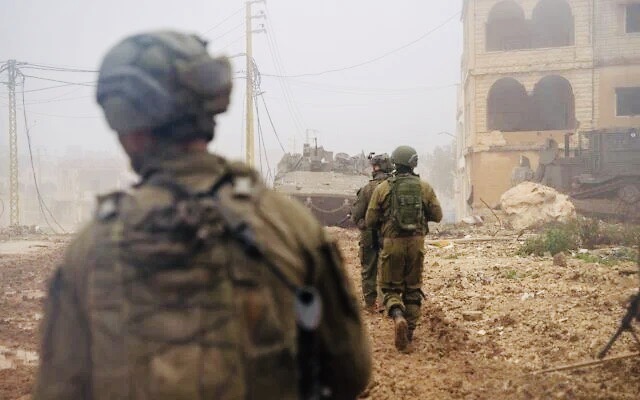
This time around, Israel is determined to further degrade Hezbollah’s military assets. By all accounts, Israel has deployed four army divisions to accomplish this objective.
The Israeli chief of staff, General Eyal Zamir, has outlined Israel’s strategy.
First, Israel intends to neutralize the threat of Hezbollah attacks from Lebanese villages close to the Israeli border. Second, Israel seeks to capture villages from where Hezbollah has launched anti-tank missiles. Third, Israel plans to advance to the Litani River, from whose vicinity Hezbollah fires rockets, missiles and drones.
“We are applying pressure on Hezbollah, pushing it northward and destroying its capabilities and infrastructure,” said General Rafi Milo, the commander of Israeli forces in Lebanon.
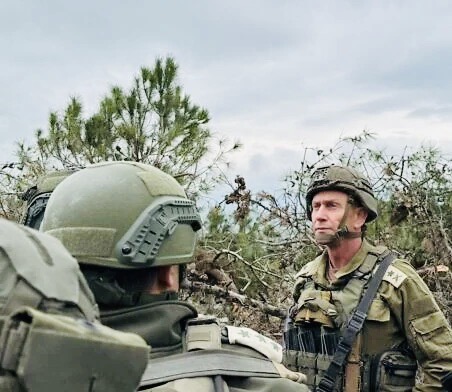
By his estimate, Israel has killed 750 Hezbollah foot soldiers and commanders since March 2.
Four Israeli soldiers and two civilians in Israel have been killed. One Israeli civilian was mistakenly killed by Israeli artillery shelling.
More than 1,000 Lebanese civilians have died and about one million have been displaced.
Hezbollah is firing an average of about 100 rockets per day. Israel believes that Hezbollah has thousands of short-range rockets and hundreds of long-range missiles.
Israel’s offensive is laying the groundwork for an occupation of southern Lebanon within the parameters of a self-declared security zone stretching from the Israeli border to the Litani River.
In its quest to attain this goal, Israel has ordered the evacuation of its Lebanese inhabitants. They will not be allowed to return to their homes until the security of Israelis in the Galilee is assured, Katz said.
He disclosed that Israel is flattening villages adjacent to the Israeli border. This is the same tactic Israel used during the two-year war in the Gaza Strip.
No one knows how long Israel’s occupation may last, but Israeli Finance Minister Bezalel Smotrich, a super hawk, thinks that the current offensive “must end with a fundamental change” whereby the Litani River becomes “our new border with Lebanon.”
Israel established a security zone in southern Lebanon following its invasion of Lebanon in 1982, but disbanded it after a lengthy and costly guerrilla war with Hezbollah. In May 2000, Israel unilaterally withdrew from Lebanon, but its pullout did not resolve its issues with Hezbollah.
Six years later, Israel and Hezbollah fought an inconclusive month-long war. Under United Nations resolution 1701, Hezbollah was supposed to withdraw from southern Lebanon and the Lebanese government was required to disarm Hezbollah. Neither of these clauses were honored.
After Hezbollah dragged Lebanon into the current war with Israel, the Lebanese government cracked down on Hezbollah, which was essentially formed by Iran’s Islamic Revolutionary Guards Corps in 1982.
With the eruption of the war, Salam officially announced that the government was opposed to military activity on Lebanese soil conducted outside the framework of the Lebanese army.
Hezbollah ignored the edict, triggering Israeli retaliatory strikes and leaving the Lebanese government looking as weak and impotent as ever.
Observers were not surprised by Hezbollah’s recklessness. Last year, the Lebanese government pledged to disarm Hezbollah under the terms of the 2024 ceasefire. At best, Hezbollah submitted to minimal disarmament signifying very little.
On March 4, following Israel’s warning to Islamic Revolutionary Guards Corps personnel that they would be targeted if they remained in Lebanon, the Lebanese government decided to reduce Iran’s presence in the country.
According to the Institute of Security Studies at Tel Aviv University, Lebanon cancelled visa exemptions for Iranian citizens and denied entry to an Iranian delegation. “More significantly, the government banned IRGC activity in Lebanon and demanded that they leave the country, even if they were posted as diplomats.”
One hundred and fifty Iranians left Lebanon, but “IRGC elements remain in Lebanon and continue to assist Hezbollah.”
More importantly, Lebanon demanded the removal of Iran’s ambassador, a decision that Hezbollah denounced as a “grave national and strategic mistake” that “opens the door to internal division” and “places the country on a highly dangerous path.”
By contrast, Israeli Foreign Minister Gideon Sa’ar hailed the decision, calling it a “justified and necessary step” to address the problem of Iranian interference in Lebanon’s internal affairs.
In the meantime, the war in Lebanon rages.
The Lebanese government has called for direct negotiations with Israel to end the fighting, but Israel has yet to respond.
Hezbollah’s secretary general, Naim Qassem, denounced Lebanon’s call for talks, claiming that negotiations under fire would amount to “surrender.” He also urged the Lebanese government to reverse its edict banning Hezbollah’s military activities.
The steps that Lebanon has taken to curb Hezbollah’s power are symbolic because Hezbollah has no intention of laying down its arms or desist from using Lebanon as a platform from which to attack Israel.
It goes without saying that the Lebanese government will not defy Hezbollah and thereby risk the outbreak of a third civil war in Lebanon. The previous civil wars broke out in 1958 and 1975.
Thanks to the machinations of Hezbollah and Iran, Lebanon has been consigned to purgatory yet again.