During the Third Reich, 3,000 out of 65 million Germans were imprisoned for speaking out against Adolf Hitler’s Nazi regime, a post-war investigator concluded. Which means, of course, that the vast majority of Germans subserviently fell into line with Hitler’s cruel and evil policies.
Among the dissenters were a number of men and women from aristocratic backgrounds. Courageously defying the Nazis, they paid dearly for their views.
Jonathan Freedland, a British journalist and broadcaster, profiles them in The Traitors Circle (HarperCollins). In this thoroughly researched and dense volume, he concentrates on a handful of principled and conscientious objectors who could not abide Nazi Germany’s tyranny, state-sponsored antisemitism, and aggressive foreign policy.
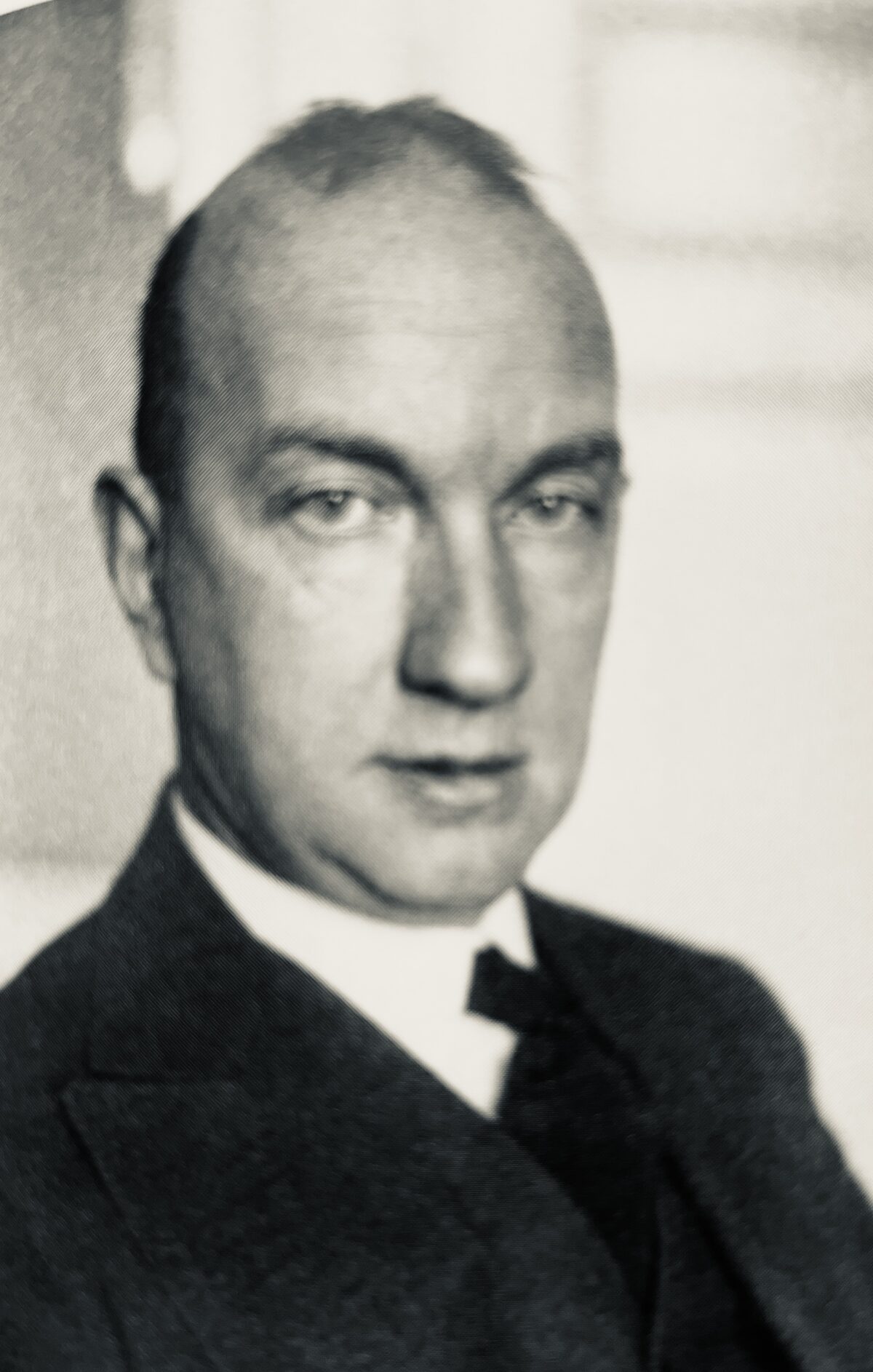
Arthur Zarden, the most senior official in the Ministry of Finance, was among them. With Hitler’s accession to power in 1933, his heretofore successful career was upended. Zarden’s boss, reading the handwriting on the wall, strongly suggested he should retire.
Zarden was doomed for at least two related reasons. He was rumored to be of partial Jewish ancestry, an allegation that Freedland does not explore. However, his wife, Edithe Orenstein, the daughter of one of Germany’s richest industrialists, was Jewish. Rejected by his employer and shunned by the country he loved, he turned against the regime, much to his personal detriment.
Maria von Maltzen, a scientist and a journalist whose lover was Jewish, helped Jews find shelter, particularly after the first deportations in 1940 and 1941.
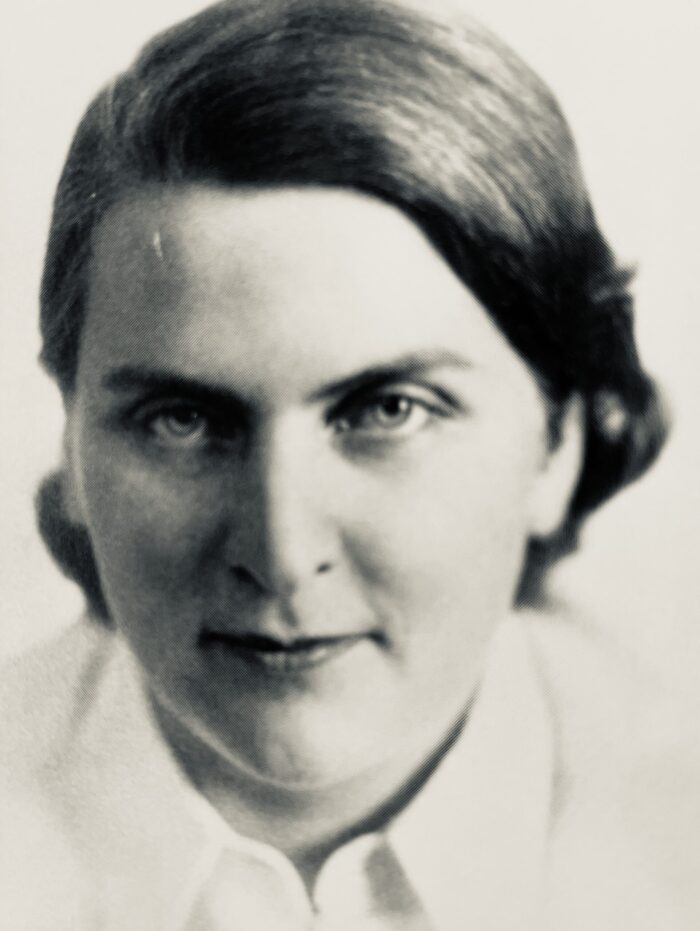
A Catholic resister, she hailed from a family of ardent Nazis. Carlos, her brother, was a committed Nazi until he was killed in combat. Her brother-in-law, Walter von Reichenau, the youngest field marshal in the army, gained notoriety by issuing an order instructing German soldiers to participate in the extermination of Jews.
Wilhelm Solf, the former governor of Samoa, was appalled by the Nazis’ persecution of Jews, regarding it as a national blight. With his death in 1936, his wife Hanna and daughter Lagi carried on his work of helping German Jews leave the country.
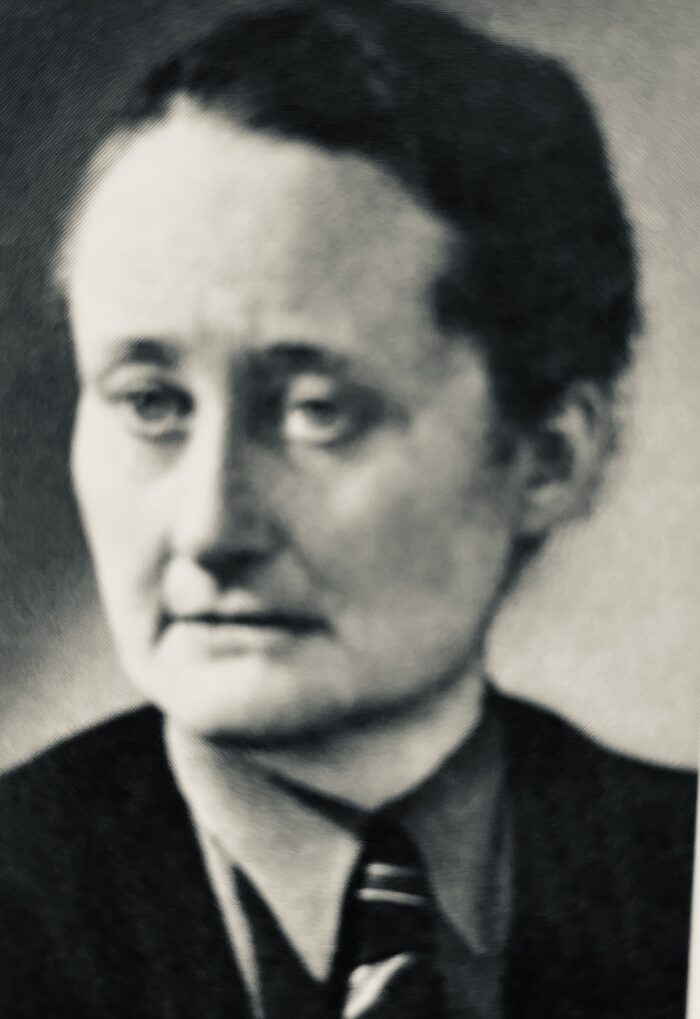
Elisabeth von Thadden joined hands with dissidents of the Confessing Church, which opposed the exclusion of Jews from public life. Like many anti-Nazi resisters, she paid a high price for her anti-Nazi animus. Her downfall was orchestrated by a Nazi spy who managed to burrow his way into anti-Hitler circles.
In passing, Freedland mentions high-profile dissenters such as Adam von Trott zu Solz, Helmuth James von Moltke, Dietrich Bonhoeffer and Albrecht von Bernstorff. They were members of the Kreisau Circle, whose unambiguous objective was the overthrow of Nazism.
The dissident who single-handedly came closest to ridding Germany of Hitler was Count Claus von Stauffenberg, a Wehrmacht officer and a decorated hero of the Afrika Korps. By the summer of 1944, he was ready to play a role in a military coup. Unfortunately, his plot to kill Hitler failed, and he and his colleagues were swiftly executed. Had he succeeded, World War II might have ended earlier.
Freedland tells the story of these brave, resolute and upstanding German patriots with passion and Teutonic thoroughness. All too often, though, he overwhelms a reader with what seems like pointless verbosity. These mountains of unnecessary details could easily have been omitted.
Nevertheless, The Traitors Circle takes its rightful place among a select number of books, in German and English, that have documented the lives of decent German nationalists who risked everything to uproot the scourge of Nazism.