It is long past time for the Canadian government to release the final report of the Commission of Inquiry On War Criminals In Canada.
The commission, whose mandate was to deal with the explosive issue of suspected Nazi war criminals admitted into Canada, was chaired by Jules Deschenes, a retired Quebec Superior Court judge.
He released the first part of the report in 1986, but classified the second section, which contains a list of suspected war criminals allowed into Canada after World War II.
The classified segment is stored in the vaults of Library and Archives Canada (LAC), which last year refused to release it on the grounds that it could damage Canada’s relationship with foreign countries, further tarnish the names of individuals whose alleged crimes were never proven in court, and furnish Russia with material to vilify the Ukrainian-Canadian community.
LAC’s reasoning is supported by the Access to Information Act, which states that Canadian institutions can refuse to release data that could undermine Canada’s national interests.
Recently, the office of the Information Commissioner informed The Globe and Mail newspaper that it accepted LAC’s rationale for keeping the second half of the report under lock and key.
LAC’s argument rests on thin ice because a University of California historian named Jared McBride, an expert on war crimes, has already examined an annotated and redacted version of the secret list. The Information Commissioner acknowledges that McBride’s request was granted several years ago.
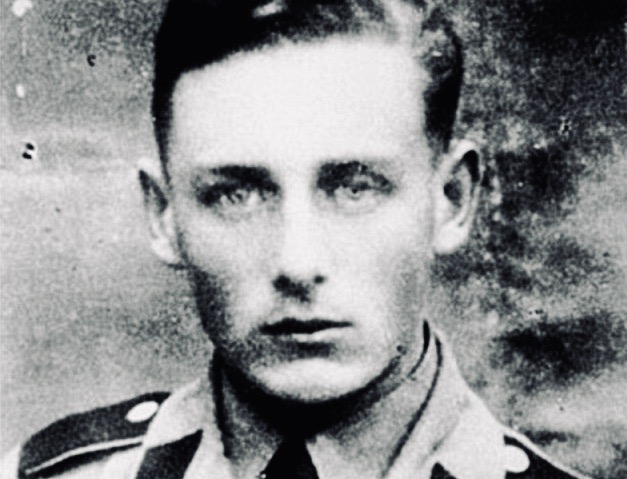
Among the names on the list were Helmut Oberlander, a member of an Einsatzgruppen killing squad during Nazi Germany’ military campaign in the Soviet Union, and Volodymyr Kubiovych, a Ukrainian instrumental in the formation of the SS Galicia division in the German army. Kubiovych died in the mid-1980s. Oberlander passed away in 2021.
Particularly in light of McBride’s success in gaining access to the classified report, the Canadian government should declassify and release it, says Richard Evans, an authority on Nazi Germany.
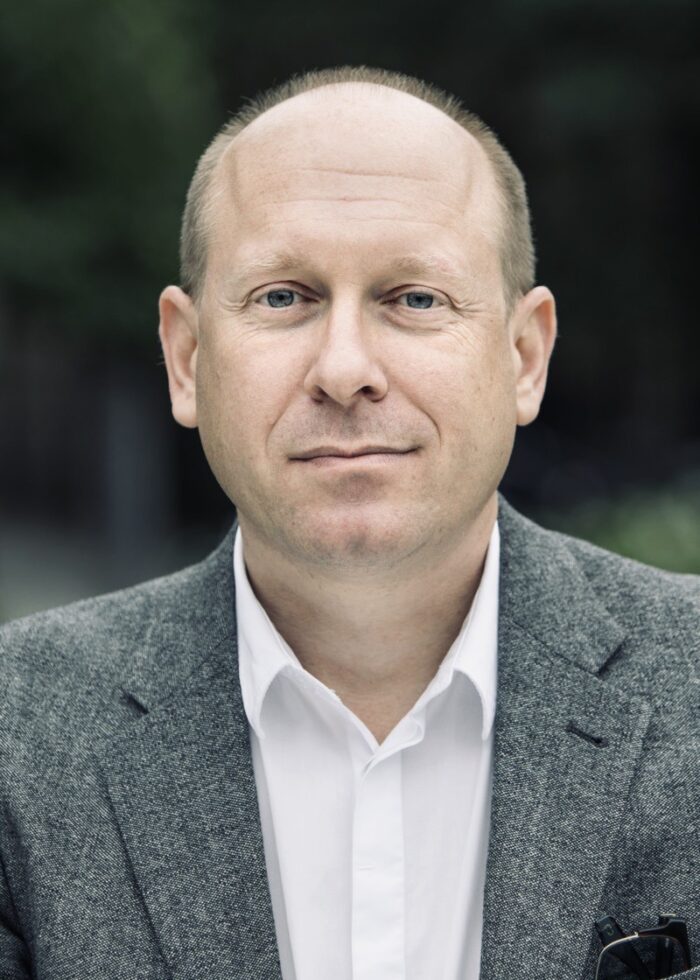
Per Rudling, a Swedish historian who has studied this issue, believes that Canada is unique among Western democracies in that it imposes restrictions on archival materials related to purported war criminals.
The Friends of Simon Wiesenthal Center, which is named after a renowned Nazi hunter, contends that the Information Commissioner was wrong to uphold the status quo with respect to the second part of the report. “The government’s claim that revealing the truth about Nazi war criminals living in Canada could somehow be a threat to national security or international diplomacy is an insult to the intelligence of the public.”
B’nai Brith Canada’s director of government relations, David Granovsky, argues that releasing the final report would enable Canada to better understand “the degree to which this country was complicit in enabling Nazis to escape accountability for their crimes.”
These are points well taken.
Another reason for releasing it is that virtually every person on the list has died.
The federal government, in the interests of transparency and historical responsibility, should seriously take these arguments into account and reconsider its position on this issue.
The Canadian public has a right to know why Canada permitted such unworthy individuals entry into the country.