Israel’s protracted conflict with Lebanon may well be easing, judging by the most recent developments.
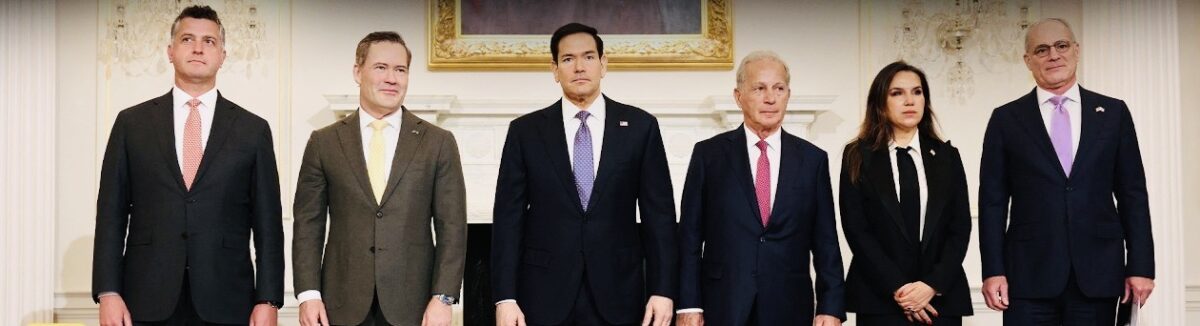
On April 14, Israel and Lebanon conducted preparatory talks in Washington ahead of what may be more substantive negotiations in the near future.
A day later, the Israeli security cabinet met to consider a short-term ceasefire in Lebanon to pause the war against Hezbollah, Iran’s chief proxy in the Middle East. No decision was taken.
Today, U.S. President Donald Trump unilaterally announced a 10-day ceasefire and invited Israeli Prime Minister Benjamin Netanyahu and Lebanese President Joseph Aoun to the White House.
“When Israel’s greatest friend, President Trump, is acting alongside us in close coordination, Israel cooperates with him,” Netanyahu said.
Iran, Israel’s deadliest enemy, had been pushing for a truce, saying it should be included in its current two-week ceasefire with the United States, which expires next week.
Trump initially brushed off Iran’s demand, but changed his mind after apparently concluding that a ceasefire in Lebanon might consolidate the U.S.-Iran truce.
With the prospect of a second round of U.S.-Iranian talks in Pakistan taking shape after Vice President JD Vance said that the United States sought a “grand bargain” with Iran, the Trump administration reportedly exerted pressure on Israel to halt its offensive in Lebanon, at least temporarily.
The U.S. denied it was leaning on Israel to accept a ceasefire.
This topic was at the center of talks between Israel’s ambassador to the United States, Yechiel Leiter, and his Lebanese counterpart, Nada Hamadeh Moawad, at the State Department in Washington, D.C.
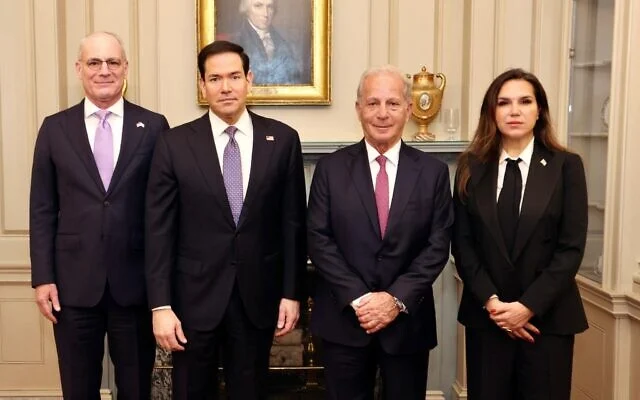
It was the first time since 1983 that Israel and Lebanon had conducted face-to-face negotiations.
Further Israel-Lebanon talks are likely to be lengthy and difficult, but they could lead to Hezbollah’s possible disarmament, a reduction of Iran’s influence in Lebanon, and, perhaps, an Israel-Lebanon peace treaty.
Neither Iran nor its proxy, Hezbollah, were invited to the talks on April 14. Hezbollah’s secretary general, Naim Qassem, denounced the negotiations and urged Lebanon to boycott them.
U.S. Secretary of State Marco Rubio hailed the meeting as a “historic milestone and opportunity.” He described it as a major step toward lasting peace between Israel and Lebanon, which have been in a technical state of war since Israel’s birth in 1948. He also said it could bring “a permanent end” to Hezbollah’s influence” in Lebanon. “We understand we’re working against decades of history and the complexities that have led us to this unique moment,” he noted.
Leiter claimed that Israel and Lebanon are on “the same side” due to their shared belief that “the evil of Hezbollah must be eradicated.”
Israel, in the joint statement released by the United States, Israel and Lebanon, “expressed its support for disarming all non-state terror groups and (to) dismantle all terror infrastructure in Lebanon and expressed its commitment to working with the government of Lebanon to achieve that goal to ensure security for the people of both countries. Israel also expressed its commitment to engage in direct negotiations to resolve all outstanding issues and achieve a durable peace that will strengthen security, stability and prosperity in the region.”
Moawad, the Lebanese ambassador, issued no statement. Her delegation focused on two related issues — the need for a ceasefire to “alleviate the severe humanitarian crisis” in Lebanon and the requirement that its “territorial integrity and full state sovereignty” should be respected.
The joint statement, released after two hours of discussions, disclosed that all sides had “agreed to launch direct negotiations at a mutually agreed time and venue.”
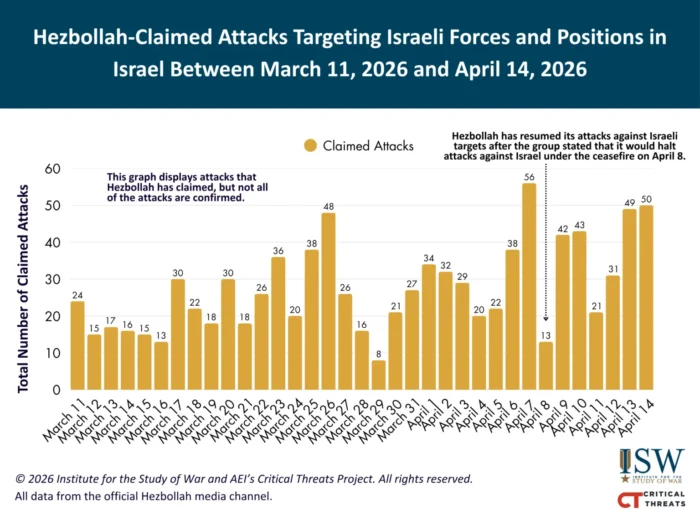
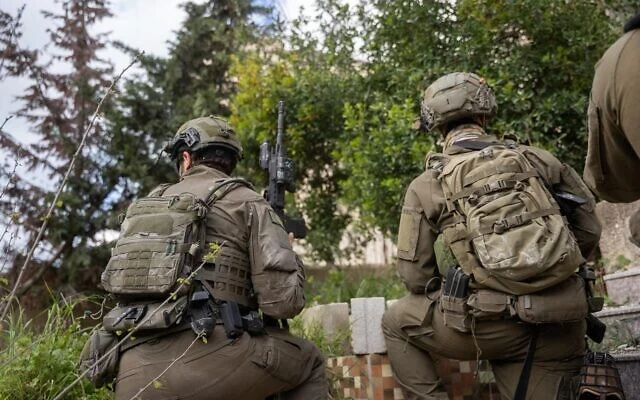
In the meantime, there was no letup in the fighting. A day after the Israeli and Lebanese ambassadors met, Israeli jets struck more than 200 targets in Lebanon, while Hezbollah launched scores of rockets at Israel.
Since March 2, Israel claims to have struck some 3,500 Hezbollah targets, notably command centers, weapon depots, and rocket and missile launchers.
Today, the Israeli Air Force destroyed the last bridge linking southern and northern Lebanon.
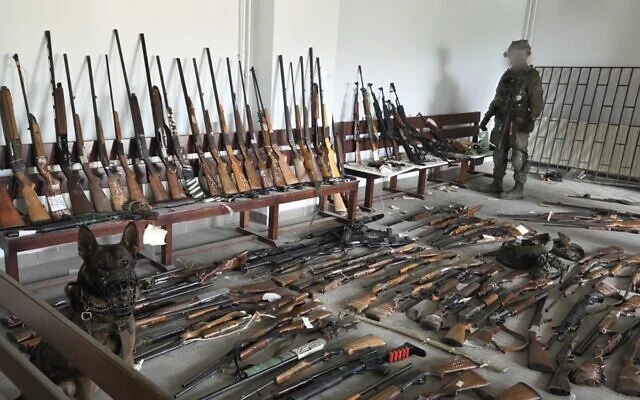
More than 2,000 people in Lebanon have been killed, including about 1,700 Hezbollah fighters, while 1.1 million Lebanese civilians, or 20 percent of the population, have been displaced.
Thirteen Israeli soldiers have fallen in battle and two civilians in Israel have been killed. One Israeli civilian was accidentally killed by Israeli artillery shelling.
Israel, having evacuated much of southern Lebanon’s residents, is establishing a demilitarized security zone up to the Litani River, which is 30 kilometres from the Israeli border. This buffer zone would be controlled by ground troops, surveillance and firepower.
Defence Minister Israel Katz has instructed the army to demolish all buildings close to Israel to ensure that Hezbollah cannot use them as platforms from which to attack Israeli communities in the Galilee.
Despite the U.S.-brokered ceasefire, Israeli troops will remain in southern Lebanon. What happens after it expires on April 26 is anyone’s guess.
Hezbollah did not indicate whether it would honor the truce, but said that its position would be determined by future developments and whether Israeli forces are granted “any freedom of movement.”
The last ceasefire in Lebanon, in November 2024, broke down very soon after it was signed.