A rubber boom in the vast Amazon rainforest more than a century ago prompted a group of adventurous and courageous Jewish men and boys from Morocco to throw caution to the wind and set off to Brazil with little more than high hopes and suitcases. They ventured deep into the largely unexplored Amazonian basin, determined to cash in and prosper.
Their little-known story is the subject of Diego Lajst’s absorbing documentary, A Shabbat On The Other Side Of The River. It will be screened at the forthcoming Toronto Jewish Film Festival, which runs from June 4-14.
The graves of these intrepid pioneers can be found in 16 Jewish cemeteries along the Amazon River. Imagining their lives in this immense tropical wilderness, one of their descendants says, “It’s very touching and makes you wonder why someone from Morocco came all this way to seclude themselves in the Amazon jungle, a remarkably harsh place.”
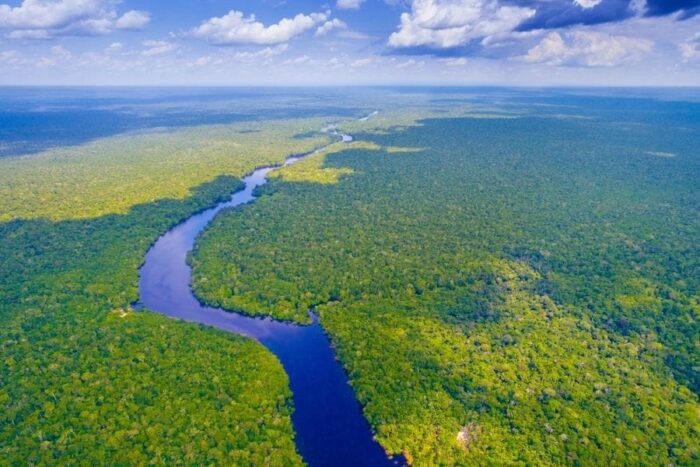
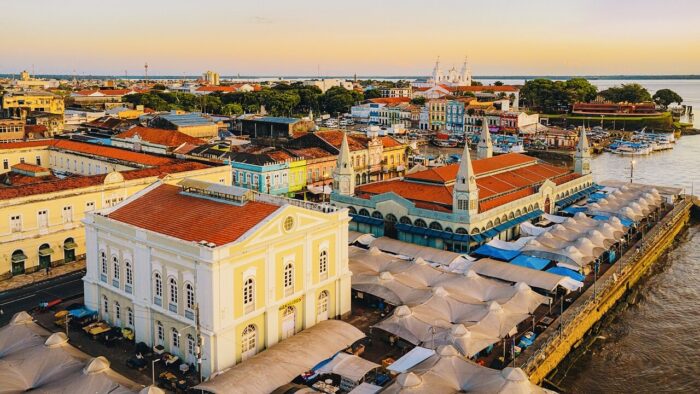
Through interviews with residents of Amazonian cities such as Belem and Manaus, Lajst offers a plausible explanation.
Jews in late 19th and early 20th century Morocco tended to be poor and were often subjected to a litany of restrictions, which were applied across the board to non-Muslims. Jewish parents, hoping their sons would find an El Dorado in Brazil, encouraged them to leave Morocco. Some of them hailed from the city of Tetouan. A minority of the Jewish migrants were from Europe.
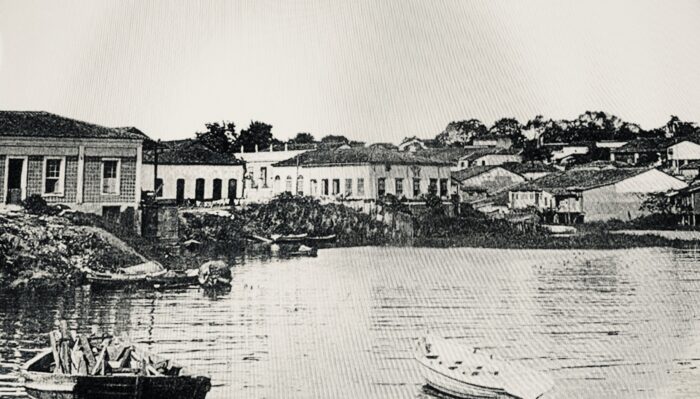
They usually started their new lives in Belem, near the mouth of the Amazon. Since this city was often beset by life-threatening epidemics, they ventured deeper into the forest. Decamping in towns like Ituquara, Santarem and Alenquer, they established themselves in the rubber trade or as merchants.
Conflicts arose when Jewish shopkeepers closed their stores on Saturday and reopened on Sunday, the Christian day of rest. This problem could sometimes be fixed with a simple maneuver.
Strangely enough, the film barely delves into the core issue at hand, the rubber industry in Brazil and the international market that sustained it. And Lajst remains vague about the actual number of Jews who possessed the mental and physical fortitude to penetrate the wilds of the Amazon.
They were unsure of what awaited them, but once they had arrived in their new homes, they felt welcomed, says Renato Athias, a descendant of one of the newcomers. He and a few other descendants of these pioneers appear in the film.
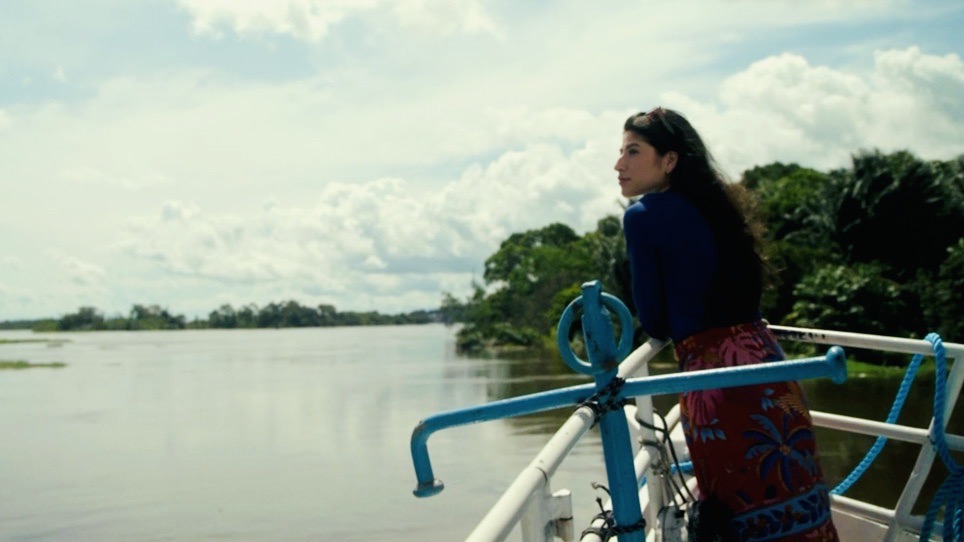
Much of it unfolds in Belem, Manaus and Alenquer, or on a passenger boat steaming toward an unnamed town along the Amazon.
In closing, Lajst points out that the world price of rubber dropped precipitously after Britain established rubber plantations in Malaysia and Burma in 1910. This development required Jewish traders to relocate to bigger cities or look for alternative means of employment.
More than a century later, Moroccan Jewish communities still exist in Belem and Manaus, a vivid reminder of a unique epoch in Brazilian history that A Shabbat On The Other Side Of The River documents with care and passion.