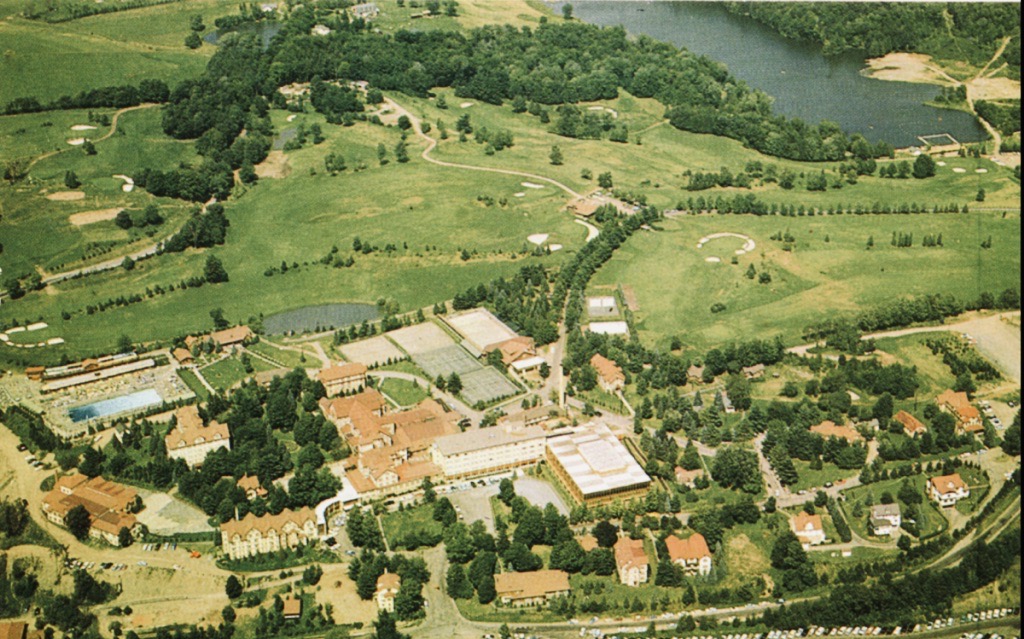
Grossinger’s, the renowned Borscht Belt resort, is lovingly profiled in a nostalgic documentary by Paula Eiselt. We Met At Grossinger’s will be screened at the Toronto Jewish Film Festival, which runs from June 4-14.
A year-round destination whose clientele was comprised almost entirely of Jews, Grossinger’s was located in the majestic Catskill Mountains, a Jewish vacationland from approximately the 1920s until the 1990s. Like the other Jewish-owned resorts in this picturesque corner of New York State, Grossinger’s offered its guests everything — fresh country air, comfortable lodging, fine food, a dizzying array of activities, and first-class nightclub acts.
Eiselt brings Grossinger’s back to life through commentary, file footage and on-camera interviews, giving viewers a comprehensive picture of a legendary resort, which closed in 1986 and which has since been reduced to a mouldering ruin enclosed by a chain link fence.
Three capable women were the face of Grossinger’s until its demise: Malka Grossinger, her daughter Jennie, and her granddaughter, Elaine Etess.
Malka and her husband immigrated to the United States from what is now Poland in 1900. Drawn to Sullivan county, in upstate New York, they tried to earn a living as farmers. Having failed due to poor soil, they opened a small boarding house for working-class vacationers from New York City who sought a fairly inexpensive holiday.
The business was successful, prompting them to purchase an old hotel in the vicinity. They expanded it and constructed new buildings and facilities on the grounds, turning Grossinger’s into the state’s first all-inclusive resort.
Impressed by their success, a succession of entrepreneurs built similar hotels ranging from the Concord and Kutcher’s to Brown’s and the Nevele.
By the mid-1950s, the region was dotted with a profusion of resorts and cheaper bungalow colonies, which were mostly frequented by immigrants and their sons and daughters.
Early on in her appealing film, Eiselt makes the important point that there was a pressing need for hotels that welcomed Jewish guests and that served as a refuge from antisemitism. Informal antisemitic quotas barred Jews from some hotels in the United States. Signs on the side of roads, reading “Christians Only, Jews Not Allowed,” were not uncommon before and after World War II. One unnamed hotel, in particular, let it be known that “applications from Hebrews (are) not acceptable.”

Such were the racist conventions of that era that Jewish vacationers were advised to plan their vacations around a special published guide that informed travellers of the hotels that accepted Jews.
As Eiselt points out, Jewish vacationers knew in advance that resorts like Grossinger’s would treat them with respect and hospitality, and that they could look forward to an old fashioned, fun-filled haymishe atmosphere.
Thousands of couples met at Grossinger’s. Some babies were conceived there. And generations of the same family went back year after year, enticed by the quality and quantity of the lavish Jewish-style meals, the Olympic-size indoor and outdoor swimming pools, the golf course, the toboggan run, the horseback riding and dance classes, and the nightly entertainment.
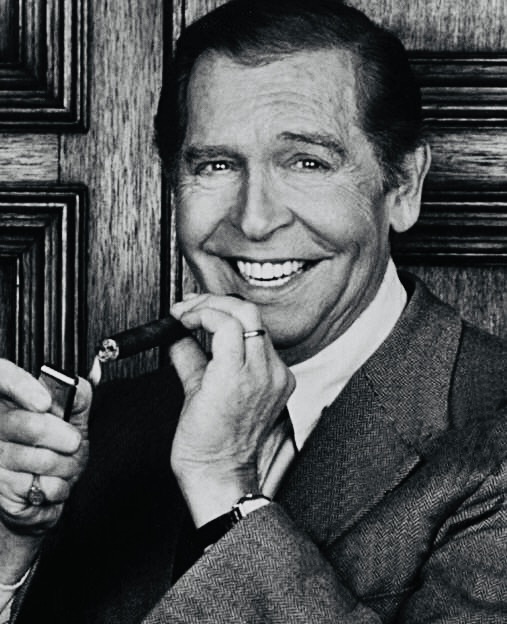
Comedians such as Milton Berle and Jack Carter got their start at Grossinger’s.
Jennie Grossinger, the matriarch of the family who could equally rub elbows with common folk or royalty, knew how to brand and market Grossinger’s. She contributed to its allure by inviting major league athletes and Hollywood celebrities to appear for photo ops.
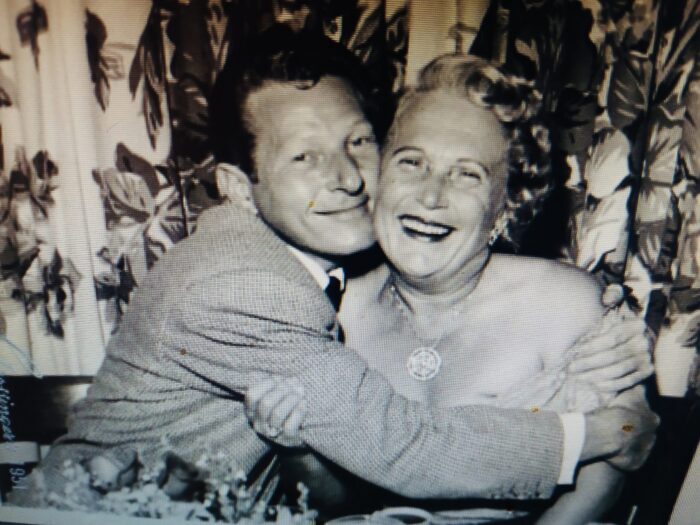
Grossinger’s, sold for $9 million in 1986, was shuttered shortly afterward, never to reopen.
By then, social and economic conditions had changed drastically in America.
The rank antisemitism that had led to the development of Jewish resorts in the Catskills had receded, giving Jewish vacationers a much wider selection of hotels from which to choose.
Air travel, once a luxury of the elite, became far more affordable, enabling Americans to travel virtually anywhere in the world.
The hot, humid summers of New York City no longer drove much of Grossinger’s clientele to the Catskills following the widespread introduction of air conditioning.
While Grossinger’s is little more than a memory today, its legacy is preserved in the Borscht Belt Museum in Liberty, a town near the former resort. But as Eiselt muses, the upsurge of antisemitism in the United States in the past few years is a jolting reminder of why resorts like Grossinger’s were once so necessary in the first place.