One of the most unusual episodes in the annals of the Arab-Israeli conflict took place in the early 1980s when the former queen of Jordan was directly drawn into the mechanics of a prisoner exchange between Israel and the Palestinians.
Duki Dor’s intriguing documentary, Royal Swap, lays it out in voluminous detail. It will be screened at the Toronto Jewish Film Festival, which runs from June 4-14.
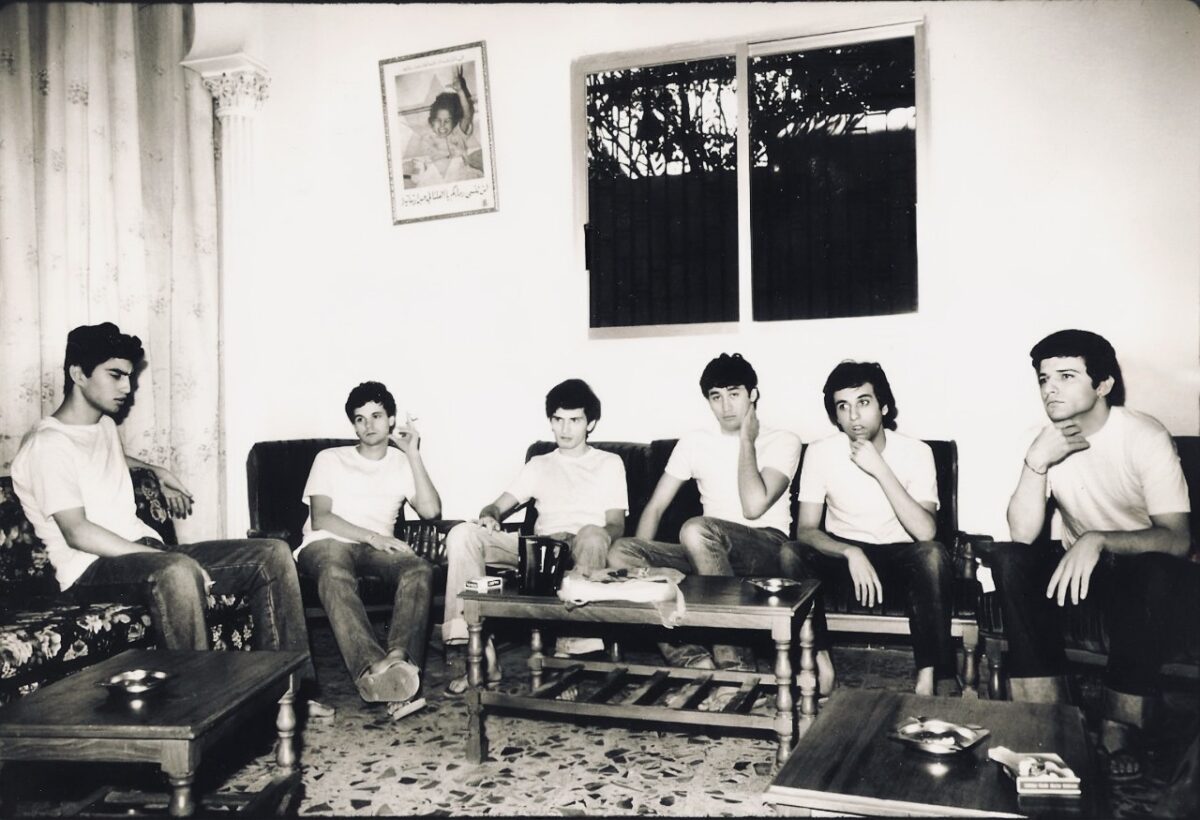
During Israel’s invasion of Lebanon in 1982, eight Israeli soldiers were captured by Palestinian forces from Fatah and the Popular Front for the Liberation of Palestine: General Command. Fatah was under the command of Yasser Arafat, the chairman of the Palestine Liberation Organization. The Popular Front was led by Ahmed Jibril.
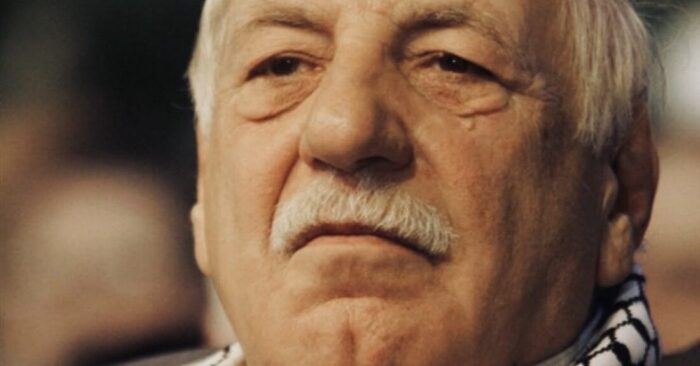
These incidents are richly documented through interviews with several of the former captives.
Meanwhile, as the Israeli army pushed into the southern Lebanese city of Sidon, Salah Tamari, a senior Fatah commander, fell into Israel’s hands and was imprisoned. Tamari was a big fish, having been one of the founders of the Fatah faction in the Palestine Liberation Organization.
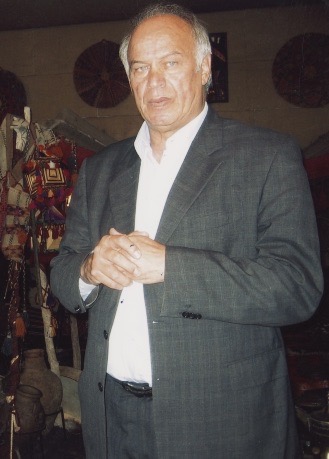
Once the war ended, Israel launched a campaign to find the eight missing soldiers. No one knew where they were, according to an Israeli official who was involved in that rescue effort.
A measure of clarity emerged when a Hebrew-speaking reporter working for a French television station interviewed six of the eight soldiers in a cell in the Bekaa Valley. They appeared to be in good health.
The film segues to Israeli journalist Aharon Barnea, who interviewed Tamari while he was in captivity. He asked Barnea to phone his wife, Dina, who had been married to King Hussein from 1955 to 1957. As the Jordanian king’s first wife, she still retained immense influence and power.
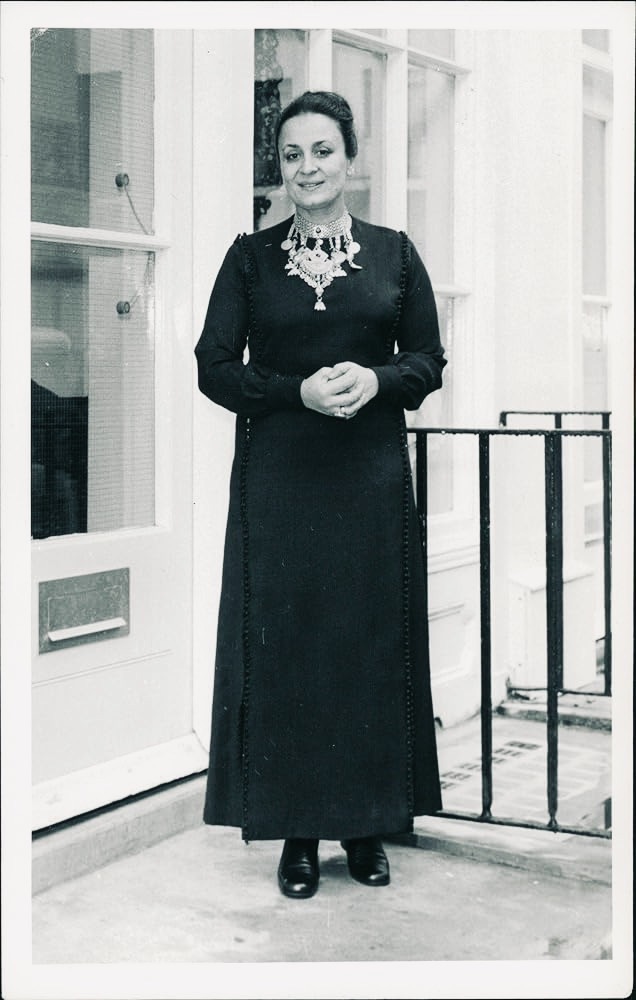
During a secret three-day trip to Israel, Dina was reunited with Tamari. Repaying the favor, she phoned Barnea with the recorded voices of six of the soldiers. Dina had obtained Arafat’s permission to visit the Israeli captives.
Kept together in a dark cell, they were subjected to beatings and torture, Dor discloses in his fast-moving movie, which unfolds against the backdrop of file footage and interviews with Israeli and Palestinian officials.
Subsequently, Dina revisited the six soldiers to photograph them. She sent their photos to the Israeli government, which relayed the images to the soldiers’ to their respective families. At around this time, Israel initiated prisoner exchange talks with the Palestinians.
As these negotiations proceeded, Tamari asked to speak to a Holocaust survivor in Israel. Dor fails to explain why he requested this favor. Nor does he tell us anything about their meeting. It would have been useful had this information been provided.
Toward the close of 1983, five of the Israeli captives were finally released in exchange for about 100 Palestinian prisoners in Israeli jails.
The three remaining captives, including Hezi Shai and Nissim Salam, were held by Jibril’s organization. Jibril drove a very hard bargain, upsetting Shai’s wife, Iris, who never stopped campaigning for his release.
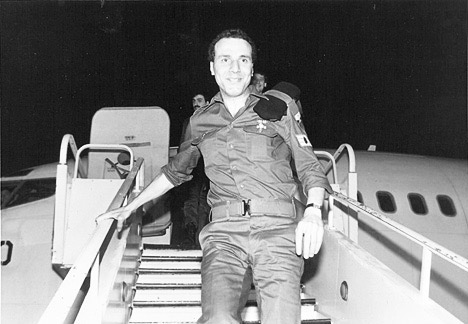
In 1984, the threesome were belatedly released. The price Israel had to pay for their freedom was extremely high in terms of the number of Palestinian prisoners that the Israeli government had to release.
Strangely enough, Dor neither deals with Tamari’s release and his life afterward, nor does he mention Dina again, as if she never existed. These gaps should have been filled.
Despite its glaring omissions, Royal Swap is well worth viewing. It’s a film that adds a fresh new layer of information regarding Israel’s military campaign in Lebanon four decades ago.