
April 9, 1940 and October 1, 1943 were the darkest days in the history of the Jewish community in Denmark.
These momentous dates are inextricably bound up with two separate but related events: Germany’s invasion of Denmark — the first country in Western Europe to be occupied by the Nazis — and Germany’s belated attempt to round up and deport Danish Jews and suspected members of Denmark’s resistance movement.
The Nazi aktion, aimed at exterminating the 8,000 Jews of Denmark, was a failure thanks to the efforts of an iconoclastic German official, the defiance of Christian Danes who opposed the persecution of Jews, and the willingness of neighboring Sweden to grant Danish Jews a safe haven.

Their rescue, a remarkable and unique chapter in the annals of the Holocaust, is the subject of A Light in the Northern Sea (Kensington Publishing) by Tim Brady. It is not the first book of its kind, but it stands out as one of the finest. Brady, an American, is an accomplished writer and a dogged researcher, and he has brought this chapter in World War II to life.
As he points out, the Danish government was woefully unprepared for the German takeover, which was met by only scattered opposition from lightly armed Danish soldiers. In a few instances, the Germans were greeted effusively by German-speaking Danes who were ethnically aligned with Germany and sympathetic to the Nazi regime.
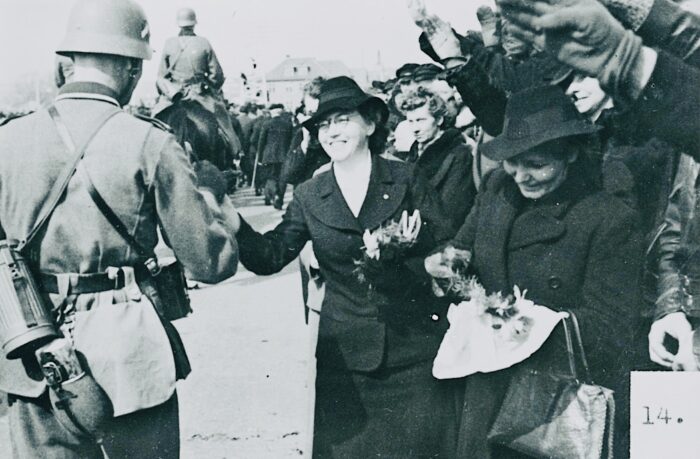
Deploying 40,000 troops to occupy Denmark, as well as Norway, Germany justified the invasion on the dubious grounds of “protecting” the Danes. The German ambassador in Copenhagen promised no interference in Denmark’s internal affairs, and his assurance proved to be true in the first months of the occupation.
Under the “cooperative” arrangement between the Danish government and the German authorities, led by an SS officer named Werner Best and the commander of Wehrmacht forces in Denmark, General Hermann von Hanneken, businesses continued to operate and schools remained open. After a while, Danish partisans began attacking companies doing business with Germany and trains carrying supplies to Germany.
As for Danish Jews, German diplomats advised Berlin that public opinion was such that a move against the Jewish population would be resented by Denmark, which supplied Germany with a significant proportion of its food and some of its industrial production.
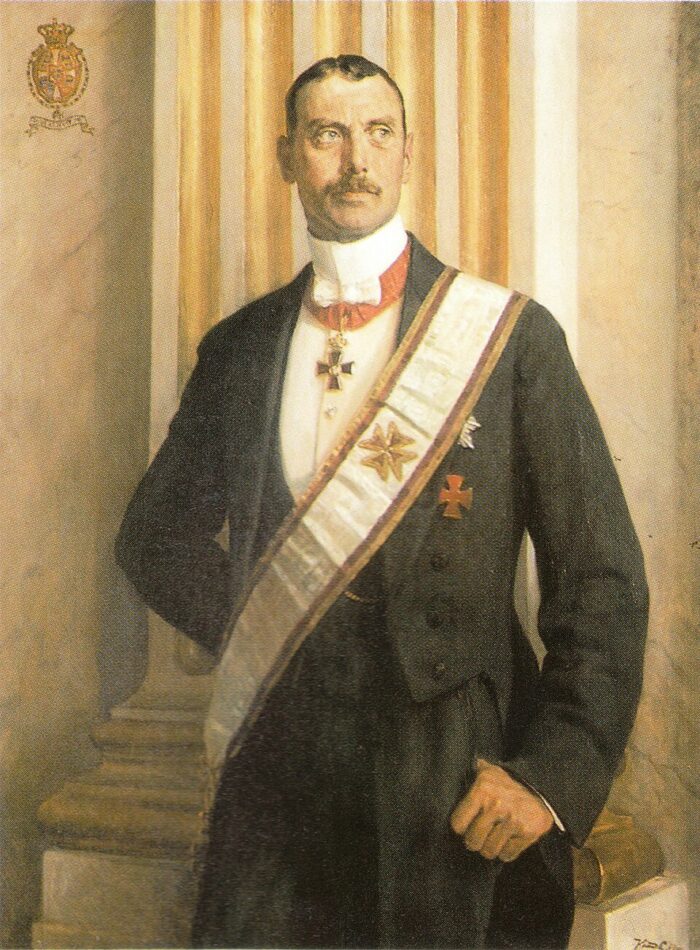
When a German diplomat asked King Christian X what he intended to do about the “Jewish question,” he replied curtly, “There is no Jewish question in the country. There is only my people.”
Nonetheless, the Nazi occupation was a source of concern and anxiety to Jews, particularly after November 1942, when the Germans began arresting Norwegian Jews and sending them to the Auschwitz-Birkenau concentration camp in Nazi-occupied Poland. En route to Poland, 530 such Jews were taken to the Danish port of Aarhus, and Danish police did not attempt to save them, says Brady.
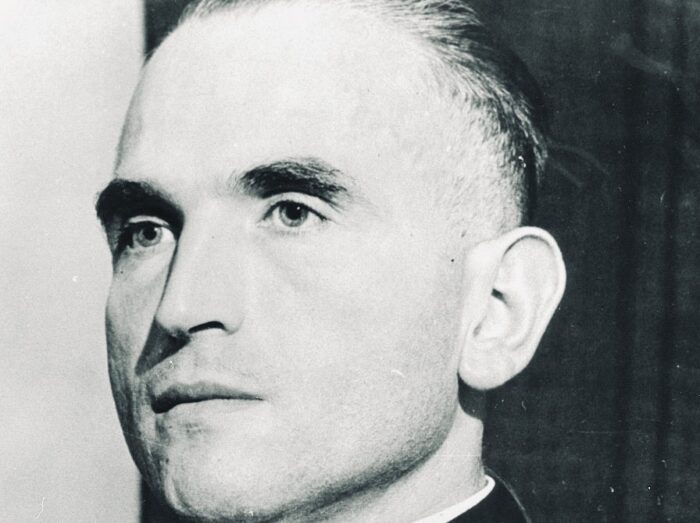
In 1943, Best informed his superiors in Berlin that the time had come for the arrest and deportation of Danish Jews. Georg Duckwitz, a German diplomat and Best’s close friend, was mortified by his decision. Duckwitz, who headed German shipping operations in Denmark, was certain that it would turn Danish public opinion against the occupation.
Acting on his belief, Duckwitz travelled to Stockholm to tell the Swedish prime minister about the impending roundup and to encourage him to open Sweden to Danish Jewish refugees. By that point, the Swedish government had allowed about half of Norway’s Jewish population, around 900, and small numbers of other Jewish refugees, into Sweden, a neutral power during the war.
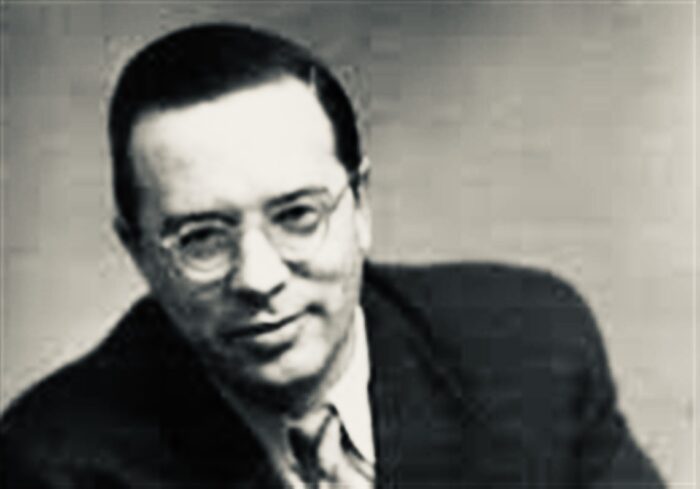
Sweden may have been influenced by Henrik Kauffman, Denmark’s ambassador to the United States. Having broken ties with the Danish government over its cooperative attitude toward Germany, he offered to use Danish assets in the U.S. to help Jewish refugees in Sweden.
According to Brady, the argument that ultimately swayed Sweden was the assumption that Germany was losing the war. By 1943, the German war machine had more or less been stopped. Brady has a point, but he neither fleshes out Sweden’s position on the refugee issue nor Swedish public opinion concerning Jewish refugees.
In addition to travelling to Sweden, Duckwitz sounded the alarm in Denmark, informing the former leader of the Social Democratic Party, Hans Hedtoff, of the Germans’ plan to deport Jews. Hedtoff told C.B. Henriques, the president of the Jewish Communal Council, that a disaster was imminent. Initially, Henriques refused to believe his warning.
By contrast, the Danish Foreign Ministry claimed that the Nazis had no such plan, its officials having assured the chief rabbi, Marcus Melchior, that there was no need for concern. Jewish communal leaders accepted this assurance at face value. Since Jews had been granted full citizenship rights in 1814, they had blended into Danish society and encountered relatively little antisemitism. As a result, they were confident that the government would protect them.
The illusion that Jews were immune to persecution or worse was shattered on the first day of the Jewish New Year in 1943, when the Nazis began rounding up Jews. German soldiers, along with Danish police, scoured the streets of Copenhagen looking for Jewish names on doorplates. By then, rumors of the roundup had spread like wildfire. In response, King Christian X issued a formal protest.
While entire families were dragged away, the majority of Jews found shelter with sympathetic Christians, sought shelter in hospitals, or hid in parks and wooded areas around the city. Oddly enough, Brady omits some vital information, neglecting to tell readers how Danes, in general, related to Jews or greeted the news of the Nazi aktion.
Having learned of the German plan, Jews fled Copenhagen by taxi in search of fishermen on the coast who could transport them to Sweden via the narrow Strait of Oresund. The chief rabbi and his family were among those who fled at the first opportunity.
As Brady observes, the initial flight from Copenhagen was “chaotic and frightening,” since no single person or persons organized the escape. But Danish volunteers assisted Jews, and many hotel proprietors and homeowners provided shelter.
Taxi drivers and fishermen charged Jews for their services, but, at a minimum, they risked fines and confiscation of their vehicles and vessels if caught by the Germans.
During a three-week period in October, thousands of Danish Jews made it to Sweden in a stomach-churning voyage. A handful drowned in the cold, choppy waters of the strait.
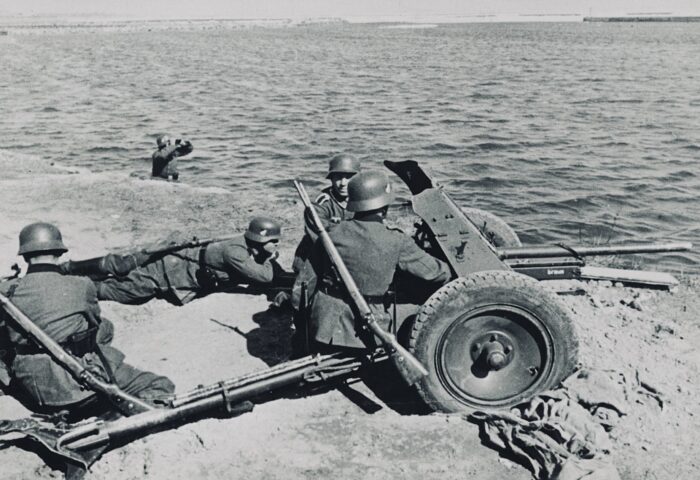
German attempts to stop them were hampered by several factors. The German Navy was focused on guarding vessels loaded with goods bound for Germany and lacked sufficient ships to police the bays, inlets and fishing villages from which Jews embarked on the voyage to Sweden. The Danish Coast Guard proved to be of little help to the Germans. The rescue coincided with the height of the herring season, which meant that German patrols could not easily distinguish between fishing boats and vessels filled with Jewish passengers.
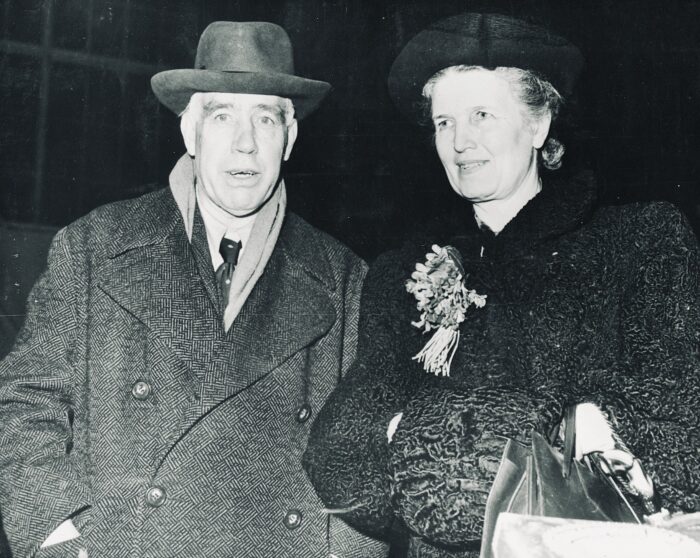
One of the Jews who managed to flee before he could be arrested was the distinguished physicist Niels Bohr, who was actually half-Jewish. He managed to flee to the United States, where he would be employed by the Manhattan Project, which developed the atomic bombs that shattered Hiroshima and Nagasaki 80 years ago this month.
Several hundred Danish Jews, having been caught by the Germans, were dispatched to the Theresienstadt concentration camp near Prague.
Under pressure from the Danish government, the Germans decreed that Jews over the age of 60 would no longer be arrested or deported, that half-Jews or Jews married to Christians were to be sent back to Denmark from Theresienstadt, and that deported Jews would not be dispatched to extermination camps such as Treblinka.
The Jews who landed safely in Sweden were well treated, having been housed in hotels, guest houses, hostels, reception centers and private homes.
The Swedish Navy played a role, too. It kept German ships out of Sweden’s territorial waters and issued fuel to Swedish fishermen who wished to participate in the rescue effort. It is unclear how many volunteered to do so.
By the end of the war, 8,000 Jewish refugees, plus an additional 9,000 non-Jewish refugees, mainly resistance fighters, had been accepted as refugees by Sweden.
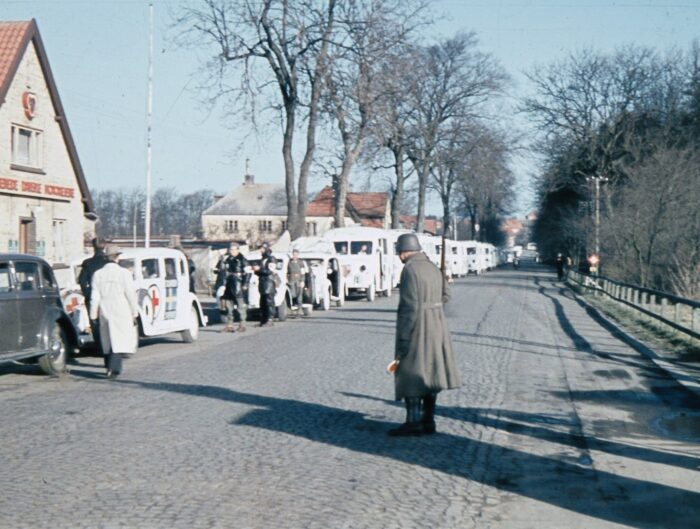
Danish Jews, including those incarcerated in Theresienstadt, returned to their homeland after the war. Some were brought back by the famous White Bus fleet. In surprising omissions, Brady neglects to inform readers how the returnees coped in Sweden or back home in Denmark.
Nevertheless, he tells this story in thorough and thoughtful fashion, reminding us that decency prevailed, even amidst the horror of the Holocaust.