Yad Vashem, the Holocaust memorial in Jerusalem, has recognized 2,673 Ukrainians as Righteous Among the Nations, an honor conferred on non-Jews who risked their lives to save Jews.
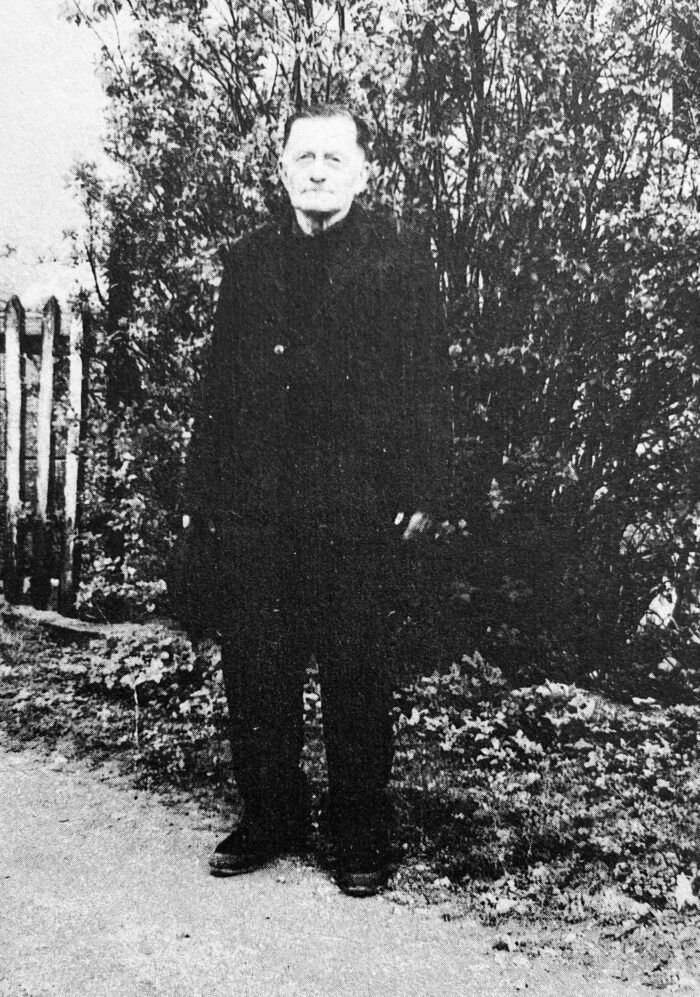
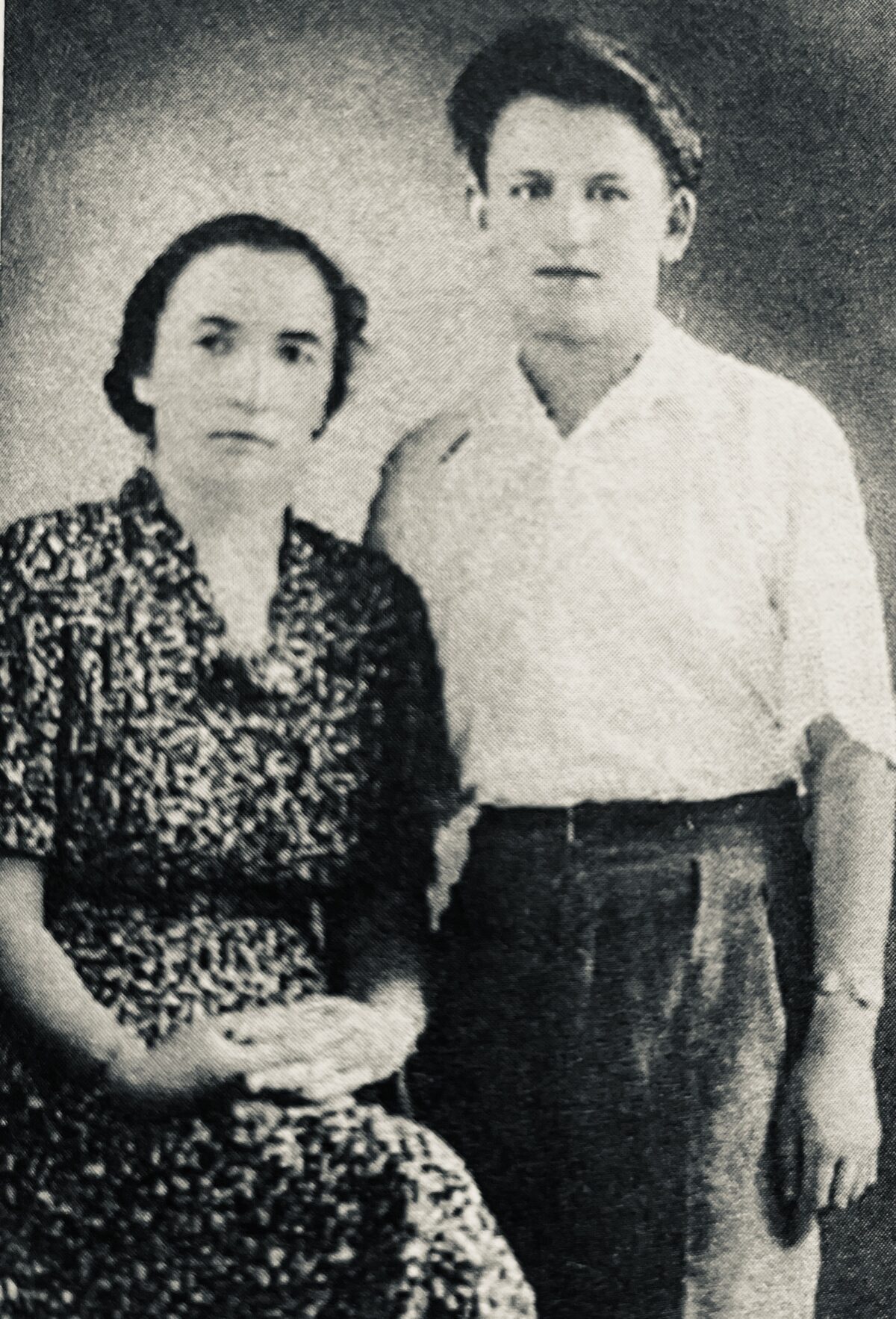
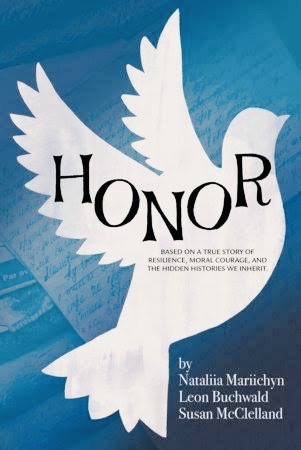
Nataliia Mariichyn’s great grandparents, Grigoriy and Mariya Palivoda, were among the recipients. They saved Eliezer (Leizer) Buchwald, his sister Shloma and their mother, Berta Leiblich. Their story of courage and resilience emerges in Honor (Astra Books), a young adult book by Mariichyn, Buchwald and Susan McClelland.
Based on true events, but slightly altered to protect the privacy of the main characters, it unfolds through the dual perspectives of Mariichyn and Buchwald, and is set against the backdrop of World War II and contemporary Ukraine.
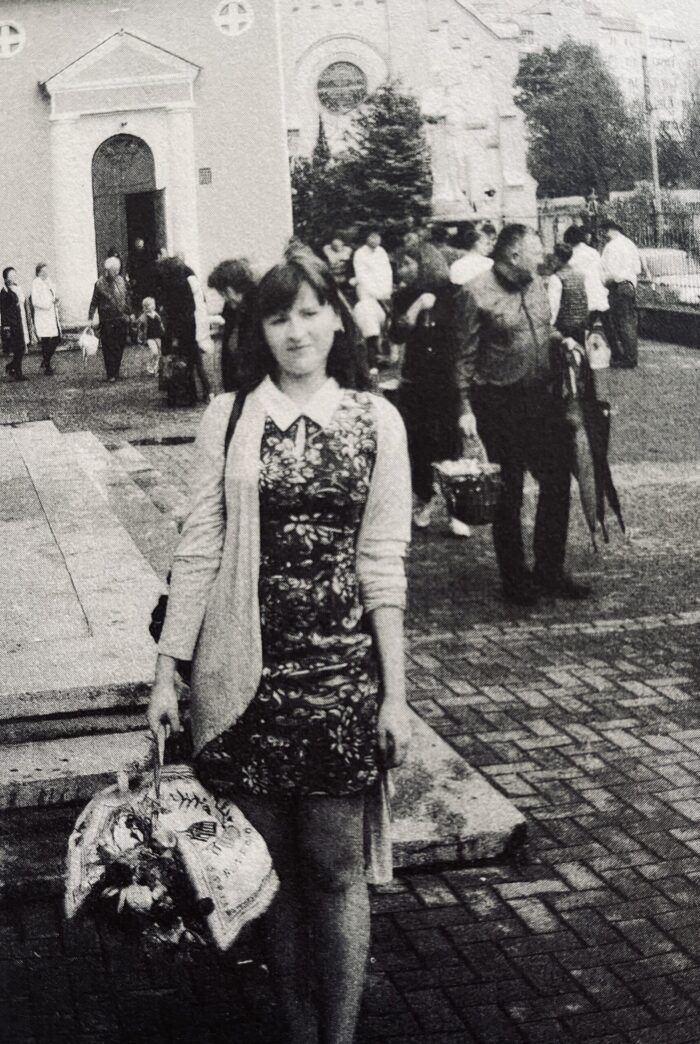
Honor is constructed around a discovery that changed Mariichyn’s life. In 2013, Mariichyn, an aspiring writer from the Ukrainian city of Ivano-Frankivsk, found a thick pile of letters on her desk left there by her grandmother, Katherine. “As I flipped through them, I could see some were handwritten and others typed,” she recalls.
They were composed by Buchwald and inspired by his experiences during the Nazi occupation of Ukraine, a period when hundreds of thousands of Ukrainian Jews were murdered by the Germans and local collaborators.
Buchwald, whose nickname was Leizer, was born in 1929 in Stanislawow, a Polish town in eastern Galicia that later changed hands and was renamed Ivano-Frankivsk. Situated in the region of the Carpathian Mountains, which is known for its caves and grottoes, Stanislawow successively fell under Russian, Austro-Hungarian and Polish rule until it was incorporated into western Ukraine.
Leizer was the youngest of three children, his older siblings being his brother Zelig and his sister Shloma. Their father, a merchant who sold farmers’ produce, wheat and meat, was a religious man who was widely liked and respected. He and Zelig perished during the German occupation, as did most Jews in Stanislawow.
Mariichyn grew up with stories about the Holodomor, during which about one million Ukrainians died in a famine that was caused, in part, by the Soviet Union under Joseph Stalin’s leadership. She knew very little about the Holocaust, which was played down by Soviet authorities.
But after poring over Leizer’s letters, some of which had been translated from Yiddish into Ukrainian, she tried to find out what elements of his story were true. That is when she decided to write a school paper on Ukrainians who had helped Jews during the war. Little did she know that her great grandparents had participated in this heroic rescue effort.
Honor, written in clean and readable prose, alternates seamlessly between Mariichyn’s recollections as a teenager in the first decade of the 21st century and Leizer’s harrowing tale of survival against all odds from 1940 onwards.
The disaster that struck the Jews of Ukraine got under way when the Wehrmacht invaded the Soviet Union on June 22, 1941. “The first news of what the Nazis were doing came from Lviv … when Nazi soldiers began violent pogroms, shooting Jews in the city and surrounding areas,” Leizer noted. “Thousands were killed.”
Under the new Nazi order, Ukrainians turned against Jewish neighbors and Jewish students were expelled from schools. However, Leizer’s grandmother found temporary refuge with a Ukrainian neighbor, while Leizer and Shloma headed into the forest, looking for Jewish partisans who could help them.
From this point onward, much of the book is devoted to Leizer’s frantic attempts to evade the Nazi dragnet. A kind-hearted farmer offered him shelter and advised him that German troops patrolling the woods had dogs that could pick up scents. At another juncture, he and his family hid in the recesses of a damp and cold cave. “We lived the winter of 1942 in darkness,” Leizer wrote. “I had no concept of time.”
As Mariichyn delves into her topic, Mykhailo, a well-informed acquaintance, launches into a discussion of the Ukrainian national movement and its attitude toward Jews. “Mykhailo reiterated what I had already read online that some Ukrainians viewed the Nazis as liberators from foreign rule, believing they might finally gain an independent Ukrainian state. In that hope, some offered support, including, tragically, involvement in or complicity in killing Jews.”
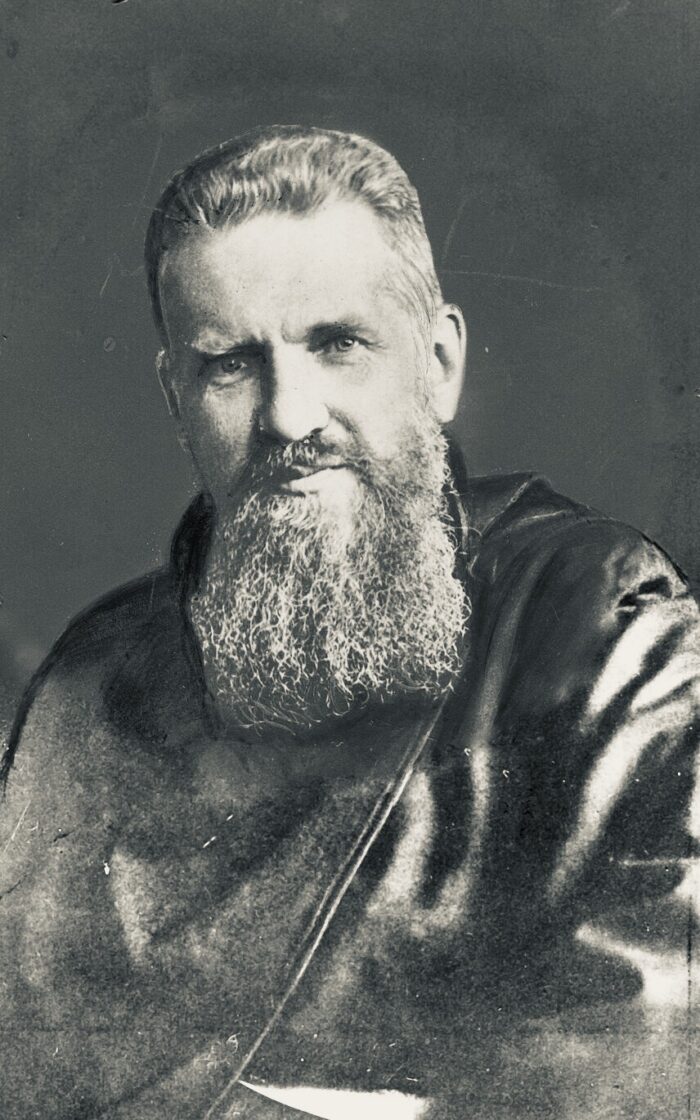
Still other Ukrainians resisted the Nazis and tried to assist Jews. Archbishop Andrey Sheptytsky, the head of the Ukrainian Greek Catholic Church, denounced Nazi atrocities, including the persecution and mass murder of Jews. His “courageous actions and moral leadership stood in stark contrast to the widespread collaboration and silence” of that period, Mykhailo observed.
In one of their last encounters before Ukraine’s liberation, Grigoriy, a farmer who had previously helped Leizer and his family, stepped in again. He “stayed true to his word and never turned us in or even hinted to his children that we were there,” Leizer wrote in the winter of 1943.
After the war, Leizer, Berta, Shloma and her new husband immigrated to Canada and settled in Montreal, a city where many Holocaust survivors restarted their lives. In grateful recognition of Grigoriy’s role during the Holocaust, Leizer sent him and his family care packages after the war. Leizer, who would change his name to Leon after his arrival in Canada, never returned to Ukraine.
His descendants sponsored Mariichyn’s relocation to Canada following the Russian invasion of Ukraine in 2022. His generosity proved that acts of kindness and compassion under duress can endure across the generations.