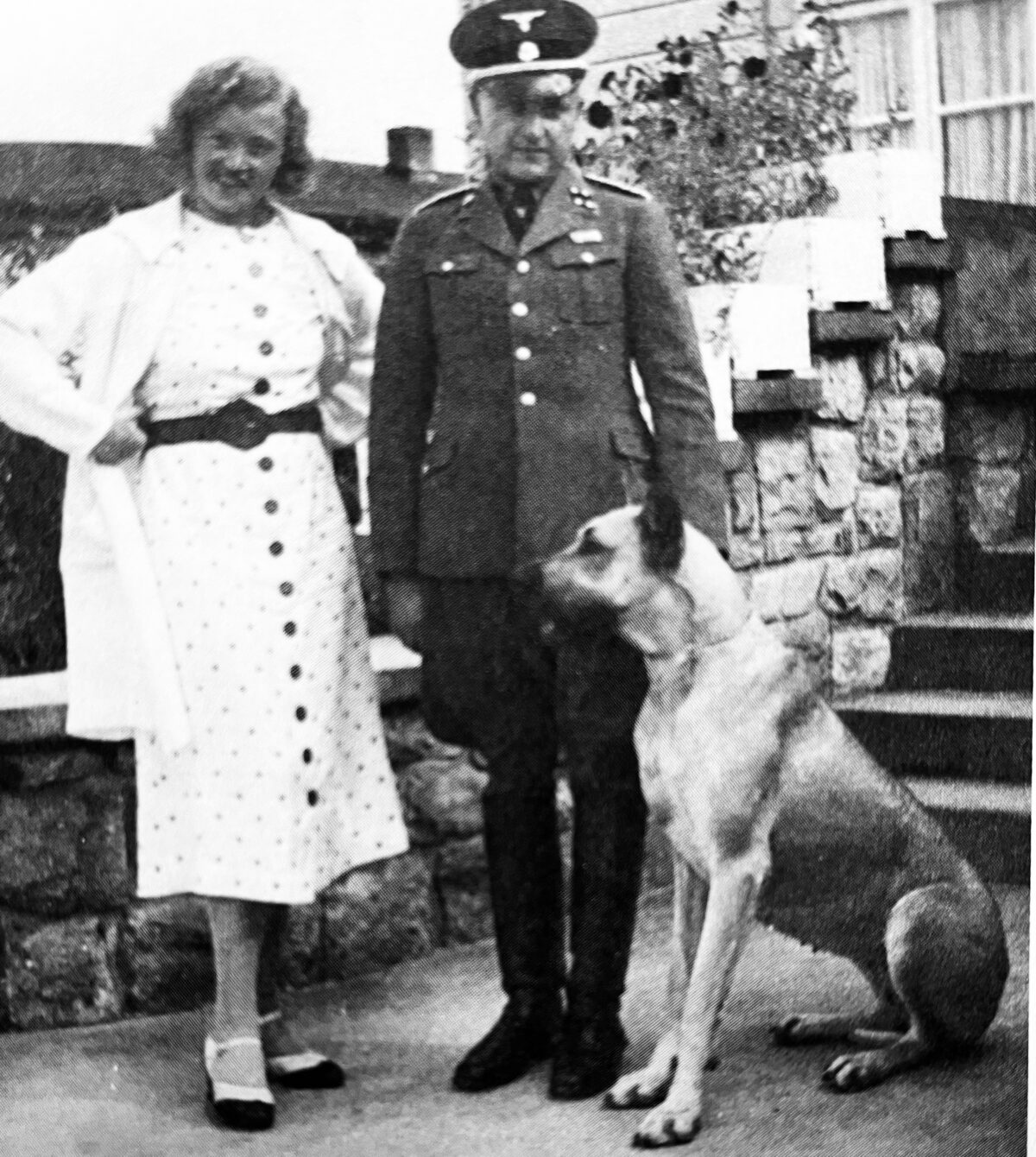
Ilse Koch, a symbol of barbarism in the Third Reich, spent almost 24 years in prison, even as Nazi perpetrators who committed far greater crimes during the Holocaust received relatively light sentences or often escaped prosecution altogether.
The wife of Karl Koch, the commandant of the Buchenwald concentration camp, she acquired notoriety for allegedly having ordered the murder of tattooed inmates so as to collect their skins for the production of lampshades.
This widely circulated but “unsubstantiated” story epitomizing Nazi savagery turned Koch into a household name, writes Tomaz Jardim in Ilse Koch On Trial (Harvard University Press). Yet this sensational atrocity commonly attributed to her was, as he contends, “apocryphal or unproven.”
Jardim, a professor of history at Toronto Metropolitan University, argues that “gender norms and expectations” shaped Koch’s image and her moral and criminal culpability.
Deplored for her violation of female norms, she was cast as the antithesis of German womanhood and was seen as a lightning rod for the popular condemnation of Nazi crimes, notwithstanding the fact that she never held an official position in the Nazi hierarchy.
In postwar West Germany, she was put on trial twice, first in 1947 in Dachau and then again in 1950 in Augsburg. These high-profile trials provided the political leadership with the opportunity to show resoluteness in dealing forcefully with the remnants of Nazism and to distance themselves from the 12-year Nazi interregnum.
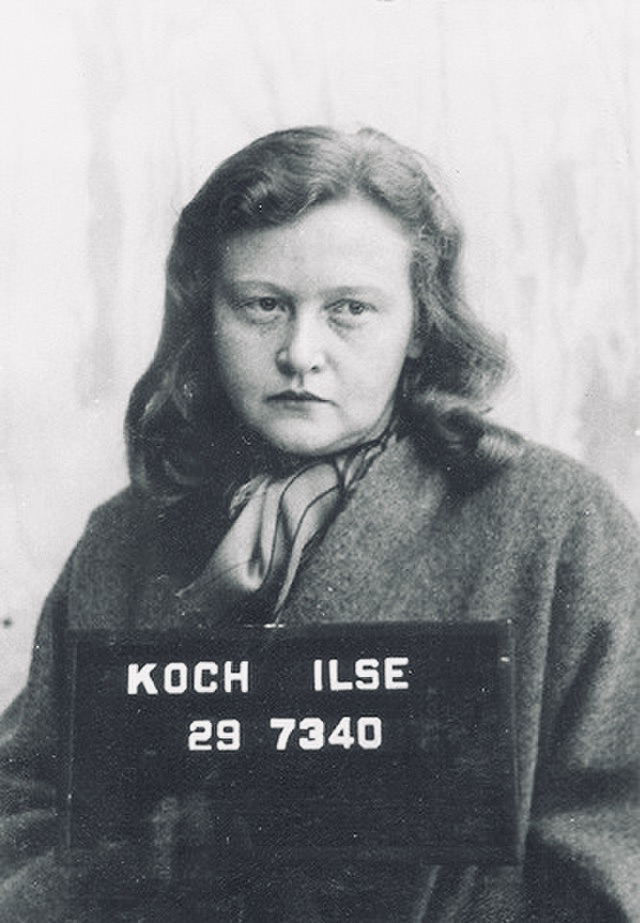
Jardim, an exceptionally fine writer, presents his case thoroughly, thoughtfully and cogently, drawing a rounded portrait of a woman who emerged as “one of the most infamous and loathed” Nazis after World War II.
Born into a lower middle-class Protestant family in Dresden in 1906, Margarete Ilse Kohler learned secretarial skills in a trade school and joined the Nazi Party in May 1932, eight months before Hitler’s ascension as German chancellor. In Jardim’s view, she regarded the Nazi movement as a dynamic and disciplined movement that could erase the problems besetting Germany following its defeat in World War I.
Koch met her husband, an ambitious and corrupt SS officer, in 1934, and married him three years later. He drew her into the world of concentration camps and embroiled her in crimes for which she would pay dearly. Nearly a decade older than his wife, he was the commandant of the Sachsenhausen concentration camp before being sent to Buchenwald, where 56,000 of its 238,000 prisoners perished.
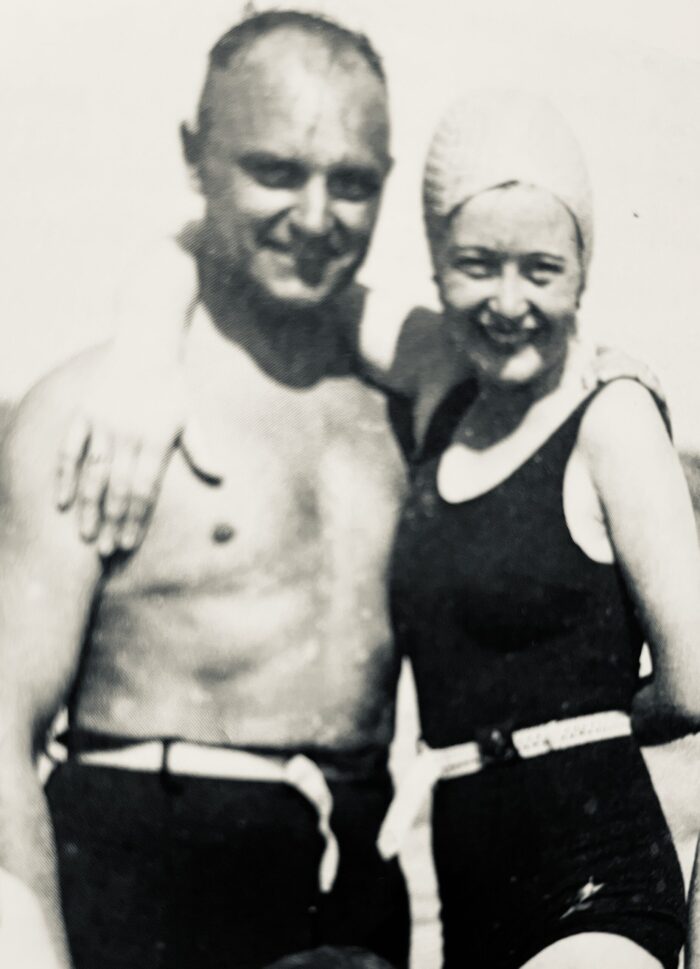
Karl Koch was a cruel taskmaster, subjecting inmates to inhumane punishment. His brutality was matched by his corruption, or proclivity to steal the valuables and cash of prisoners. He treated the camp as his private fiefdom, and he indulged in extramarital affairs.
Koch was not much better. She grossly mistreated inmates and ruthlessly exploited their labor. And rumors circulated that she engaged in sadomasochistic sexual liaisons with prisoners and SS officers.
Although they were seen as a happily married couple and the loving parents of three young children, their marriage was on the rocks.
Karl Koch was arrested in December 1941, charged with theft, embezzlement and unauthorized killings. By then, he had been transferred to the Majdanek concentration camp, near the Polish city of Lublin. Recalled from Lublin, he was sentenced to death. She was acquitted because the prosecution failed to prove she had known of his illicit business transactions.
When U.S. forces liberated Buchenwald on April 11, 1945, Koch and her children were living in Ludwigsburg in relative obscurity. Shortly afterward, The New York Times published an article mentioning that Koch had collected lampshades fabricated from tattooed skins.
“More than any other crime committed at Buchenwald, the collection of tattooed skins and their alleged use in the production of decorative items stoked the public’s imagination and deepened its sense of indignity and thirst for justice,” writes Jardim.
Koch, having been oblivious to reports linking her to atrocities, was shocked when the U.S. army arrested her on June 30. When asked whether she was aware of rumors that she had collected lampshades of human skin, she claimed she had learned about them only while in American custody.
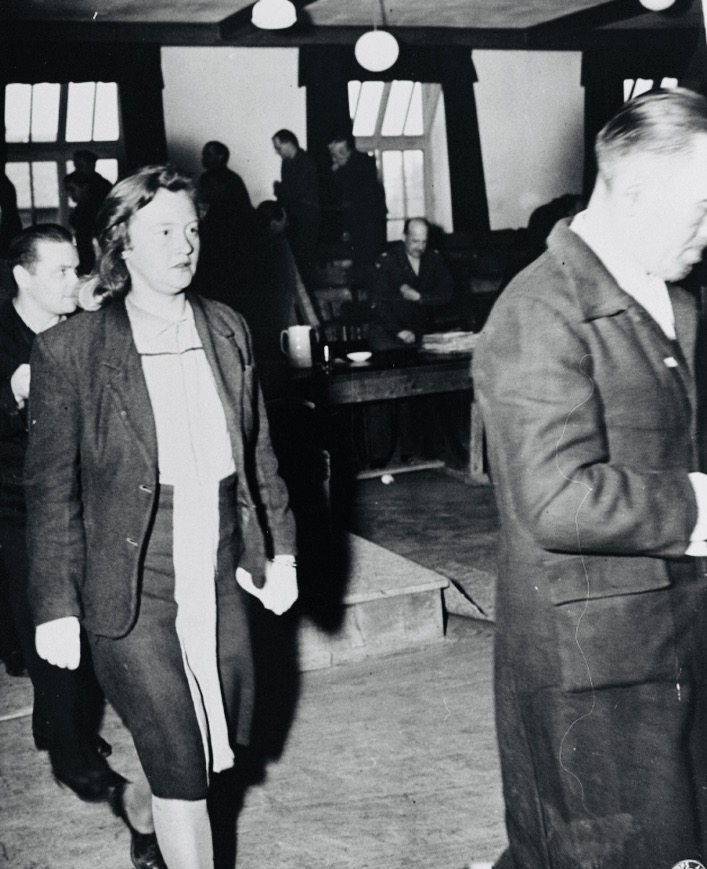
Placed on trial in 1950, following a life sentence she received in 1947, she was charged with a series of crimes, including incitement to murder, causing grievous bodily harm, and playing a role in the production of human lampshades. Responding to that accusation, she insisted that they were made of parchment.
Koch’s long prison sentence was greeted positively by Germans. In Jardim’s estimation, she proved to be “a useful target for those who sought to condemn the Nazi past without having to reflect on more complicated questions concerning the complicity of those who brought the Third Reich to power and supported or helped to enforce its policies.”
Koch blamed Jews for her misfortunes, saying that they villainized, defamed and maligned her. “I have no luck at all,” she wrote in a letter. “The curse of the Jews is upon me.” In another letter, she paranoiacally accused Jews of using radio devices and tapes to transmit demeaning messages to her brain.
Jardim speculates that she was never released due to her notoriety and lack of contrition. On September 1, 1967, she hanged herself. “There is no other way,” she said in a note to her son. “Death for me is a release.”
“With this last act of defiance and despair, Koch protested her innocence,” says Jardim.
German newspapers presented her suicide as the final act of a Nazi perpetrator. Be that as it may, she was a very minor cog in Hitler’s machinery of genocide. Alluding to her minor importance, Jardim points out that American newspaper coverage of Koch’s crimes “distorted popular perceptions of Nazi criminality.”
Jardim makes his case lucidly, having written a comprehensive and accessible work of scholarship that presents Koch as a petty criminal who took advantage of her status as the wife of an SS officer.