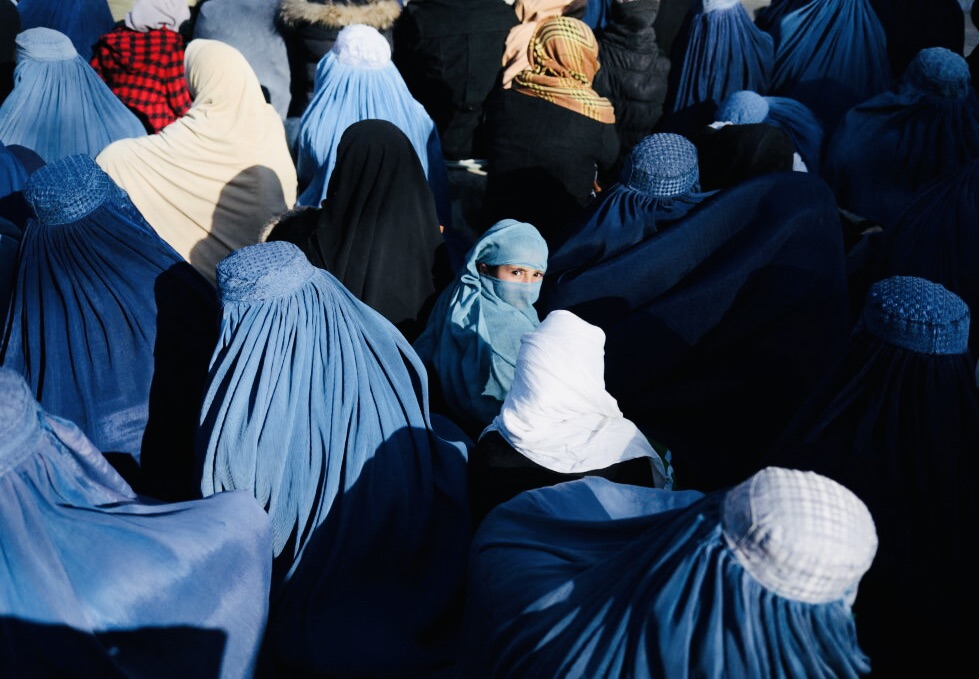
A somber anniversary was marked in Afghanistan a few days ago as the Taliban celebrated the fifth anniversary of its return to power.
On August 15, 2021, following a costly two-decade war that achieved nothing of lasting value, the United States and its allies unilaterally withdrew their troops from that war-torn country.
The ultimate futility of the U.S.’ 20-year military campaign in Afghanistan was perfectly illustrated by the chaotic withdrawal from Kabul airport. Afghan men and women desperate to leave the country besieged the airport, hoping to secure a place aboard an outbound U.S. aircraft.
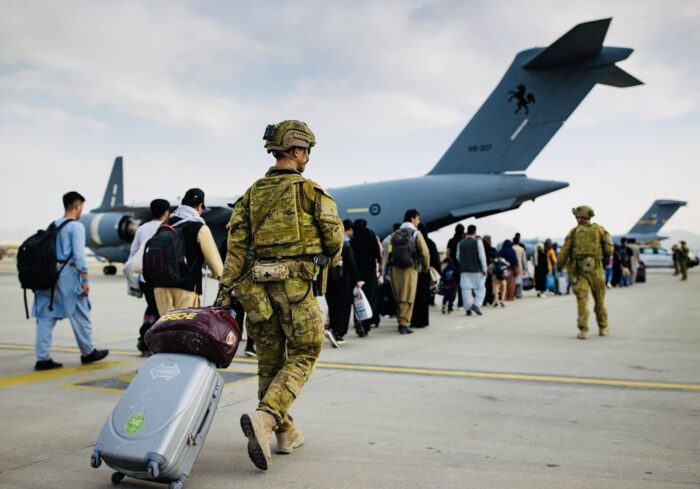
Still other Afghans, mostly young men, clung precariously to an airplane as it took off. A few who managed to hang on for dear life fell to their deaths moments later.
Shortly after their takeover, the Taliban pledged that women would be allowed access to education, employment and public spaces. Under the previous American-sponsored Afghan government, women achieved a measure of equal rights.
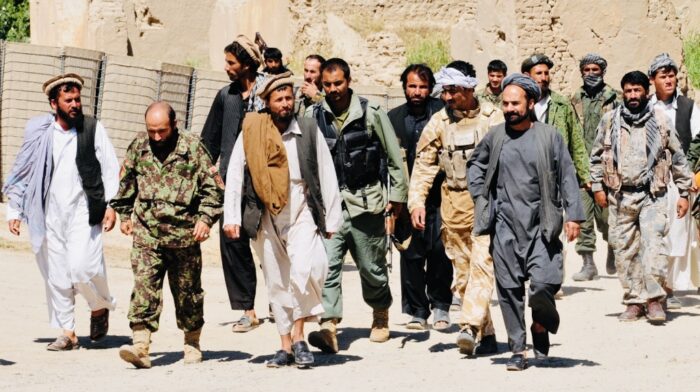
As might have been expected, the Taliban’s promise was absolutely worthless. Within weeks, the Islamic fundamentalist Taliban administration imposed a ban on girls’ education beyond the sixth grade. And then, in another illustration of its fanaticism, the Taliban banned higher education for women.
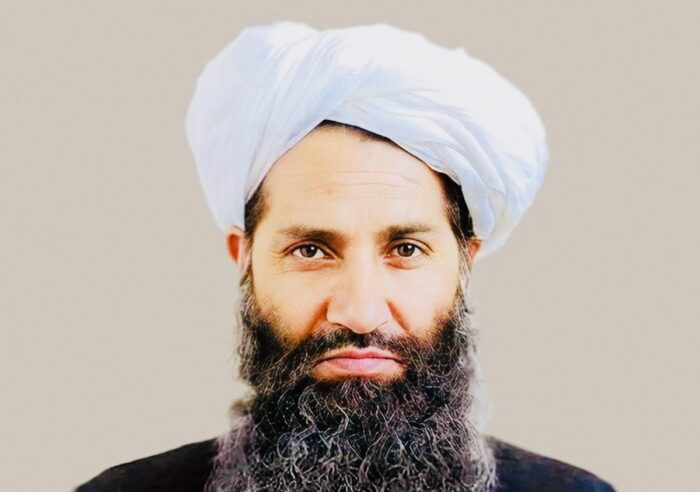
The regime, headed by Sheikh Haibatullah Akhundzada, contends that the Taliban has brought stability after decades of strife and upheaval. This claim is only partially true. Afghanistan is embroiled in skirmishes with neighboring Pakistan just short of open war. Armed groups seek to overthrow Akhundzada and his cronies. Mass unemployment has produced domestic discontent. And Afghanistan is internationally isolated as never before. Russia has formally recognized the Taliban government, but no Western country has done so.
The reactionary Taliban leadership has created a grave human rights crisis by having relegated women and girls to second-class citizenship.
Girls from the age of 12 are formally forbidden to attend school, cutting off their chances of ever reaching universities. The United Nations estimates that about 2.4 million girls have been excluded from secondary education.
Women are banned from public spaces such as gyms and parks. They cannot participate in sports or travel to distant locations without a male guardian.
Professional training in fields such as medicine has been halted for women, preventing new female doctors or nurses from graduating. Furthermore, women are prohibited from working in most government offices, non-governmental organizations, and global agencies. Female-run businesses like beauty salons have been shut down. Women are subjected to strict dress codes enforced by morality police.
Recent decrees have rolled back legal equality, placing husbands in positions of authority and severely weakening definitions and domestic punishments for marital violence. Plummeting economic conditions, coupled with educational bans, have resulted in a sharp increase in early, forced, and child marriages as a survival mechanism for some families.
Surveys by the United Nations indicate that half of Afghan women rarely leave their homes, compounding soaring rates of severe psychological distress and depression.
The harsh restrictions placed on women and girls are damaging to Afghanistan’s future. The expected lack of teachers, doctors, nurses and midwives in the near future is bound to threaten the country’s social and economic foundations.
Richard Bennett, the United Nations’ special rapporteur on human rights in Afghanistan, is understandably concerned by the grave situation. He describes the Taliban’s “gender persecution” as a “crime against humanity.”

“The crisis extends well beyond gender apartheid,” he added. “Across Afghanistan, we continue to document arbitrary arrests, torture and ill treatment, extrajudicial killings, corporal punishment, enforced disappearances, restrictions on freedom of expression, attacks on journalists and human rights defenders, persecution of ethnic and religious minorities, and discrimination against LGBT plus persons. ”
Bennett warned that foreign countries should not “normalize” Taliban policies by officially recognizing the regime. Recognition would legitimize its discrimination and tell victims that their suffering is “negotiable.”
Taliban leaders such as Foreign Minister Amir Khan Muttaqi counter that Afghanistan no longer poses a security threat to the region, that its forces have cracked down on the Islamic State organization, and that they desire peaceful relations with the international community.
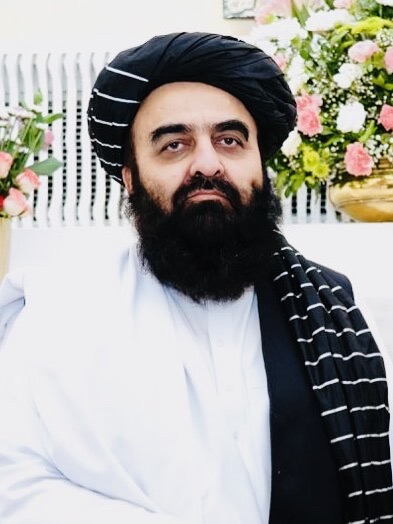
All this is well and good. But as long as women and girls are oppressed and persecuted, the horrific regime in Kabul should be boycotted and shunned.