
A pragmatic voice of reason was heard in Lebanon a few days ago.
Lebanese Foreign Minister Youssef Rajji went out on a limb and minced no words when he criticized Hezbollah and Iran, both of which have destabilized Lebanon, Israel’s northern neighbor, for the past four decades.
Rajji, in fighting words, declared that Lebanon’s security can only be guaranteed if Hezbollah dismantles its entire military structure and Iran stops propping up Hezbollah militarily and financially.
In comments that go straight to the heart of the matter, he accused Hezbollah of dragging out the disarmament process and using Israeli attacks against Hezbollah as an excuse to retain its arsenal of weapons, many of which are supplied by Iran, Israel’s deadliest adversary and its foe in a twelve-day war last June.
He warned that Hezbollah’s failure to disarm under the terms of last November’s ceasefire agreement, brokered by the United States and France, could reignite another civil war in Lebanon, the last one of which ended in 1990 after fifteen years of bloodshed.
As for Iran, Rajji said, “Iran is not our enemy, but we have deep problems with Iran.” This was a direct and scathing reference to Iran’s alliance with Hezbollah, a member of its anti-Israel and anti-Western Axis of Resistance.
He made these blistering remarks a week after Lebanese Prime Minister Nawaf Salam claimed that the Lebanese government, acting in accordance with a December 31 deadline set out by the ceasefire, is close to completing Hezbollah’s disarmament south of the Litani River.
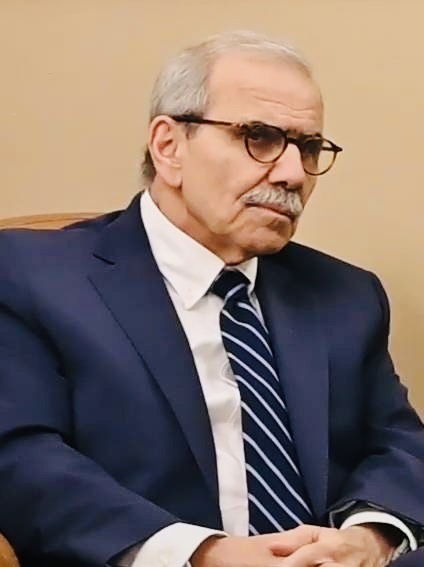
In addition, Salam said that the Lebanese army is currently moving toward confiscating Hezbollah’s weapons north of the Litani River.
Yesterday, Lebanese President Joseph Aoun, who has promised to disarm Hezbollah, weighed in on this crucial issue.
Expressing optimism that diplomacy will deter the Israeli army from carrying out another major operation in Lebanon following the Israel-Hezbollah war in 2024, Aoun said, “Diplomatic contacts to push back the specter of war have not stopped. I tell you that the specter of war has been pushed away from Lebanon, and matters will head in a positive direction, God willing.”
Last week, in their second such meeting in December, Israeli and Lebanese officials met in the southern Lebanese town of Naqoura in an effort to preserve the shaky year-long truce, which has been broken repeatedly by Hezbollah.
Hezbollah, having been badly battered in that war, has flagrantly violated it by attempting to rearm. Iran has lent Hezbollah a helping hand in this effort.
In the face of their egregious violations, Israel has targeted Hezbollah bases and personnel throughout Lebanon on almost a daily basis.
On December 26, Israeli aircraft bombed a training compound belonging to Hezbollah’s Radwan Force.
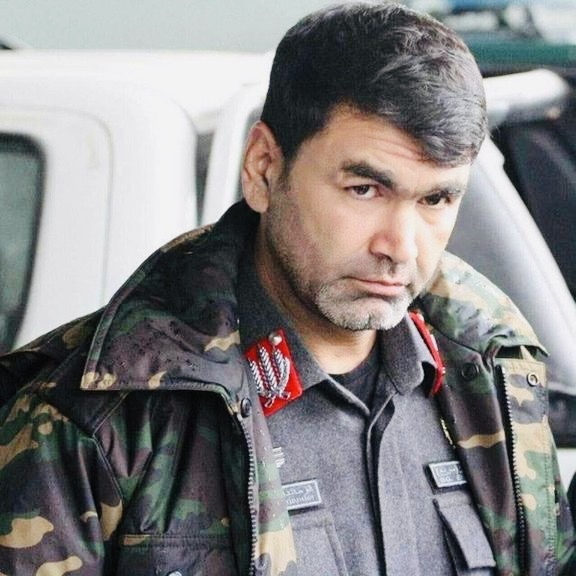
Occasionally, Israel strikes Iranian military figures in Lebanon. On December 25, in northeastern Lebanon, Israeli forces killed Hussein Mahmoud Marshad al-Jawhari, a commander of a unit in Iran’s Quds Force, which directs attacks against Israel.
Israel also has threatened to renew the war if Hezbollah refuses to disarm completely. Hezbollah’s position is clear. It will not agree to this key provision unless Israel withdraws from Lebanon and ceases its attacks.
Currently, much to the chagrin of the Lebanese government and Hezbollah, Israel maintains five posts in southern Lebanon near the Israeli border.
As Rajji noted, disarmament means total demilitarization south and north of the Litani River, which is a distance of about thirty kilometers from the Israeli border.
Looking at the broader picture, Lebanon and Israel both have a vested interest in defusing tensions and reaching a non-belligerency accord in advance of a full-fledged peace treaty.
This scenario will be a dead letter unless Hezbollah totally disarms and Iran can no longer meddle in Lebanon’s internal affairs.
With the support of the United States, Israel and Lebanon should do everything in their power to ensure that a new and positive reality can be created in this volatile corner of the Middle East.
If the status quo prevails, Lebanon will remain a killing field, much to the detriment of Lebanese and Israelis.