The fog of war inevitably creates human tragedies. This is the way it has been since time immemorial. Neither soldiers nor civilians are safe in a combat zone. The latest war between Israel and Hamas in the Gaza Strip, which ended this past October following a U.S. brokered ceasefire, was not any different.
While more than 400 Israeli soldiers and some 22,000 Hamas and Islamic Jihad combatants were killed in the war, Palestinian civilians bore the brunt of it, which was ignited by Hamas on October 7, 2023.
At last count, approximately 50,000 civilians had been killed. Caught in the crossfire of urban warfare, they fled to buildings, schools, mosques and hospitals that often had been commandeered by Hamas. Still other civilians died as they left neighborhoods ordered evacuated by the Israeli army.
Toward the end of January 2024, with the war at a fever pitch, Israel ordered the residents of the Tel-Hawa district in northern Gaza to leave their homes. The Hamada family, consisting of two adults and three children, were among the evacuees.
They died when their car was struck by an Israeli tank shell. Israeli commanders may have thought that the vehicle belonged to terrorists. To this day, no one knows with any certainty why they were targeted.
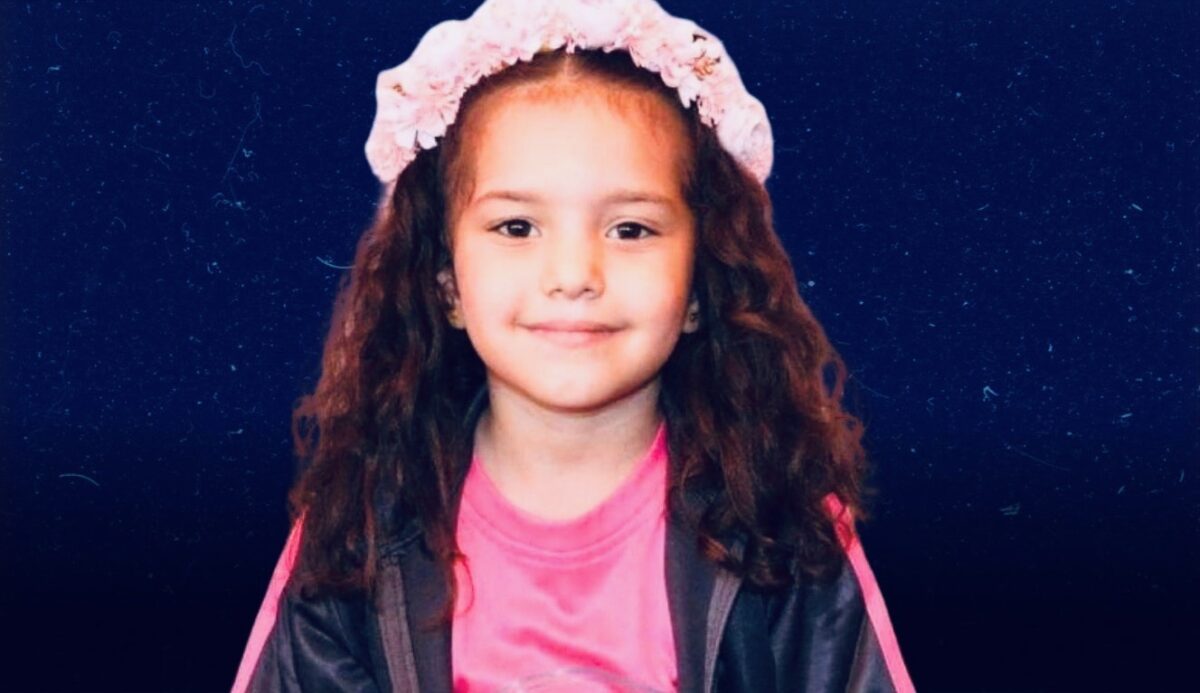
Hind Rajab, a six-year-old girl, along with her aunt, uncle and three cousins, lost their lives on that dreadful day. They were in the wrong place at the wrong time.
Kaouther Ben Hania’s film, The Voice of Hind Rajab, a dramatization based on real events, recaps her untimely death in chilling fashion. Scheduled to open in theatres in Toronto on December 25, the movie unfolds in the Palestinian Red Crescent’s emergency call center somewhere in Gaza.

Ben Hania, a Tunisian, omits the volatile politics of Israel’s protracted conflict with the Palestinians. The word “Israel” is never mentioned. She focuses instead on the Palestinian dispatchers who are desperately trying to save the life of a frightened and confused little girl.
Eerily enough, Hind’s actual voice is heard from beginning to end. It is a voice crackling with fear and uncertainty.
The dispatchers are deeply affected by her plight.
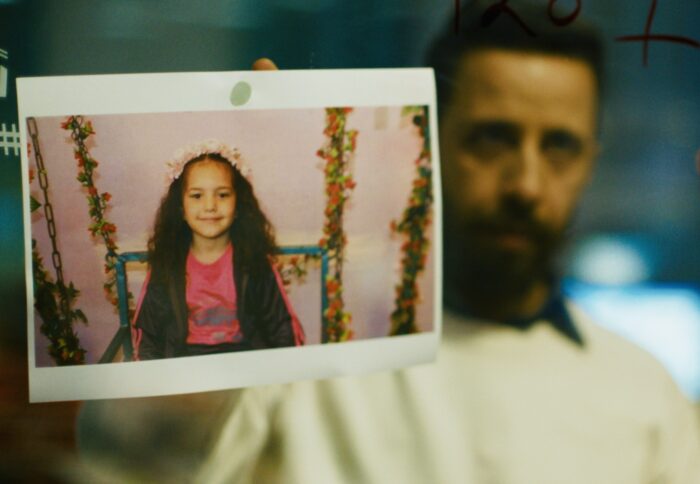
Omar (Motaz Malhees), the lead dispatcher, wants to send an ambulance to pick up Hind before it is too late. Mahdi (Amer Hlehel), his boss, agrees that an ambulance should be sent as soon as possible, but he will not issue the order until the route is cleared. Perhaps better than anyone else in the room, he knows that fatal accidents can happen in a war zone.
Omar’s colleague, Rana (Maja Kilani), is also heartbroken. Speaking to Hind by telephone, she attempts to calm her down. Hind, though, is scared. “They’re shooting at me,” she says amid the sound of gunfire.
The aforementioned actors acquit themselves well, delivering stark and convincing performances.
With time running out on their rescue mission, Omar loses his cool and gets into a shouting match with Mahdi. A consummate professional, Mahdi has no intention of calling an ambulance until the route is absolutely safe. In the meantime, Hind pleads with them to pick her up.

During this agonizing process, Omar appears to speak to an official at the Hamas-run Ministry of Health. When Hind reports she has been wounded, Omar suggests that the “army” should be contacted to resolve the problem. This, of course, is a reference to Israel’s army, which is operating in the neighborhood. Omar’s life-saving suggestion does not go down well with the anonymous Hamas official. He hangs up on him, leaving Omar upset and Hind to her fate.
That the word “Israel” never passes through the dispatchers’ lips is a telling commentary on their nationalist refusal to acknowledge Israel’s existence.
The film implicitly demonizes Israel and whips up support for the Palestinian cause, even though it does not address the root causes of the Gaza war and unfolds in a bubble.
That being said, The Voice of Hind Rajab is not a vessel for cheap propaganda. It deals impassionately with the collateral damage of a war and humanizes one of its youngest victims.