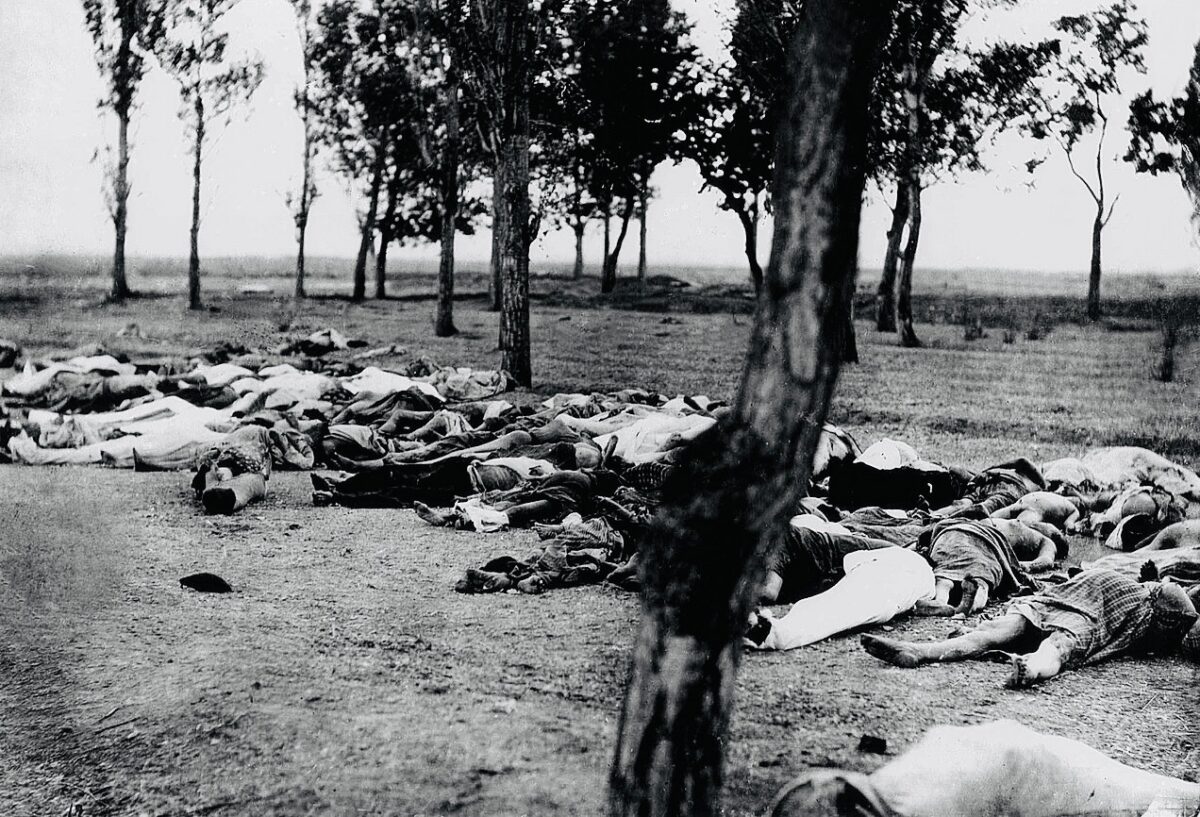
In a decision presumably driven by its currently abysmal relations with Turkey, Israel recently recognized the Armenian genocide. “It’s never too late to do the right thing,” Foreign Minister Gideon Sa’ar wrote on X after the Israeli cabinet unanimously adopted this resolution, which has yet to be approved by the Knesset.
Calling the recognition a “moral imperative” rooted in Jewish identity and history, Sa’ar said that Israel was duty bound to officially recognize what many scholars say was the first genocide of the 20th century.

Historians estimate that upwards of 1.5 million Armenians were killed by Ottoman Turkish authorities during World War I. Turkey, the successor state of the Ottoman Empire, denies that it committed genocide. Turkey claims that those killed were victims of unrest and that the death toll was inflated.
To this day, Turkey refers to this atrocity as “the events of 1915” and contends that recognition of it disregards “legal and historical facts.”
Israel’s Muslim ally in the region, Azerbaijan, concurs with Turkey’s one-sided view. Azerbaijan, which is also close to Turkey, released a statement saying, “The decision by the Israeli government concerning the so-called ‘Armenian genocide’ is a matter of serious concern. The distortion of the historical facts surrounding the events of 1915 and the reduction of a complex historical issue to a political decision without a sound legal or scholarly basis are unacceptable.”
Azerbaijan’s position is debatable. Critics contend that Turkey’s refusal to acknowledge this horrendous event is untenable. Sa’ar himself, in a video, said that the facts concerning “the destruction of an ancient and historic cultural heritage” are “not really up for debate.”
Israel fulfilled “a moral duty by recognizing the historical truth and rejecting attempts to deny it,” he noted, adding that more than 30 countries preceded Israel in recognizing the mass murder of Armenians as genocide.
Until now, Israel deliberately refrained from using the word “genocide” to refer to the campaign of massacres, imprisonment and forced deportations of Armenians during the final years of the Ottoman Empire.
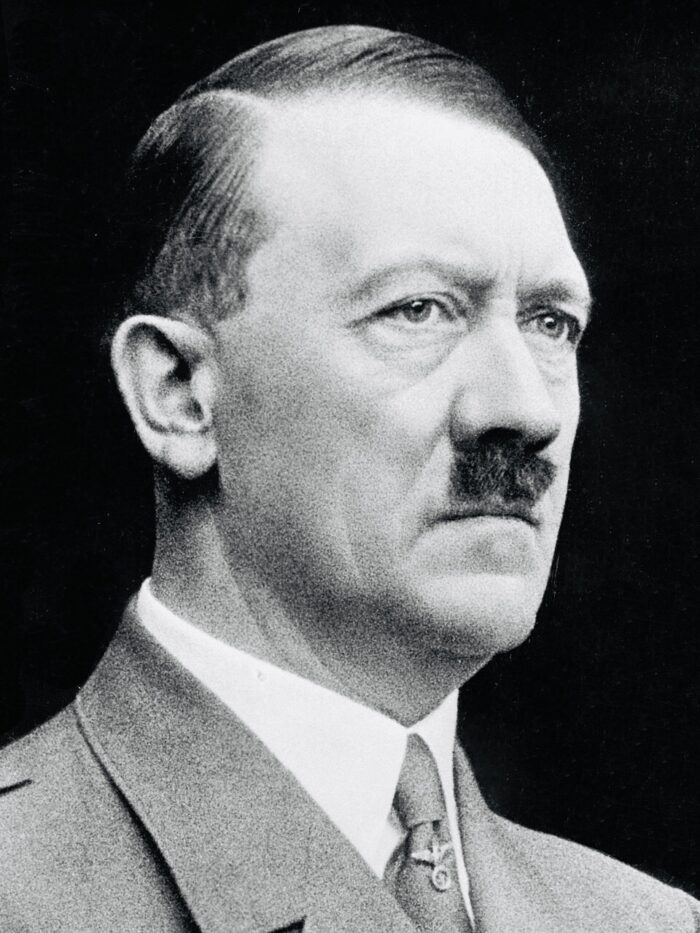
Valuing its relationship with Turkey, the first Muslim state to recognize Israel, a succession of Israeli governments conveniently swept the topic under the rug. In doing so, Israeli leaders knew full well that the Armenian genocide bears a resemblance to the Holocaust, the Nazi campaign to wipe out the Jewish population of Europe.
Adolf Hitler, in a speech on the eve of World War II, alluded to this as he outlined his imperialist plans for the brutal occupation of Poland. “Who, after all, speaks today of the annihilation of the Armenians?” he asked, implicitly justifying his diabolical scheme to kill the Jews of Europe and reminding his listeners of the world’s short memory of atrocities.
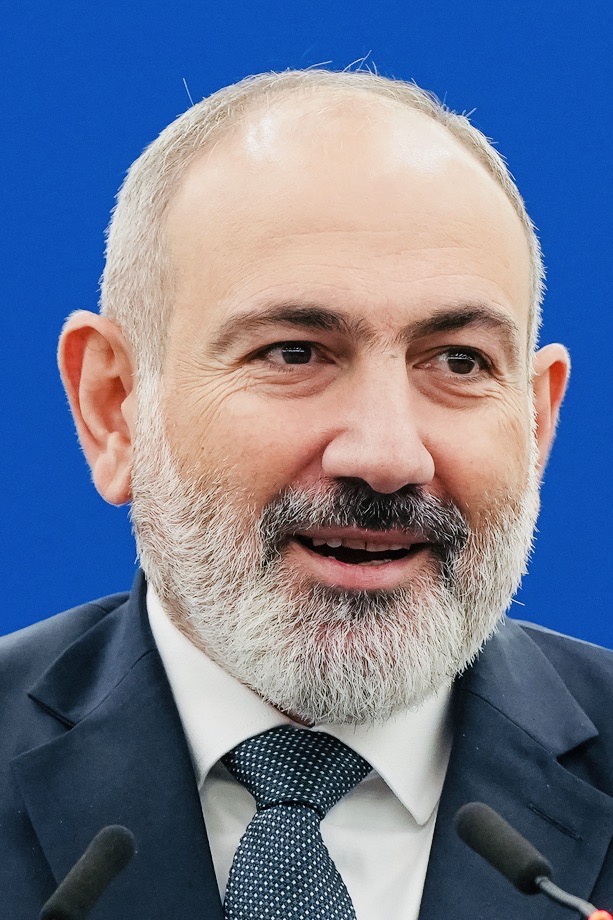
For decades, Israel hewed to a politically expedient policy, declining to define the slaughter of Armenians as genocide. Which is perhaps why the prime minister of Armenia, Nikol Pashinyan, was not impressed with Israel’s decision on June 28 to rectify its position. On June 30, he suggested that the Israeli government had politicized the issue and said he saw no reason for a response.
In 1982, for example, Israel allowed Turkey to eliminate a discussion of the Armenian genocide from the proceedings of an International Conference on the Holocaust and Genocide held in Tel Aviv.
Despite Israel’s stance on this issue, left-of-center Israeli politicians, such as Yossi Sarid and Haim Oron, kept it alive in speeches in the Knesset.
In 2011, the Knesset held one of its first serious debates on the subject. And in 2015, the Speaker of the Knesset, Reuven Rivlin, strongly backed recognition of the Armenian genocide. His resolution was shelved.
The Knesset Education Committee, in 2016, formally recognized the Armenian genocide and pressed the government to act. Further efforts by two leading politicians, Yair Lapid and Tamar Zandberg in 2020 and 2021, failed as well.
Last August, in a bold break with the past reflecting Israel’s deteriorating ties with Turkey, Prime Minister Benjamin Netanyahu expressed personal recognition of the Armenian genocide.
Reacting to his comments, the Turkish government accused him of seeking “to exploit past tragedies for political motives.”
By this point, Israel’s relationship with Turkey had all but collapsed due to President Recep Tayyip Erdogan’s fervent promotion of the Palestinian cause and his corresponding hostility toward Israel.
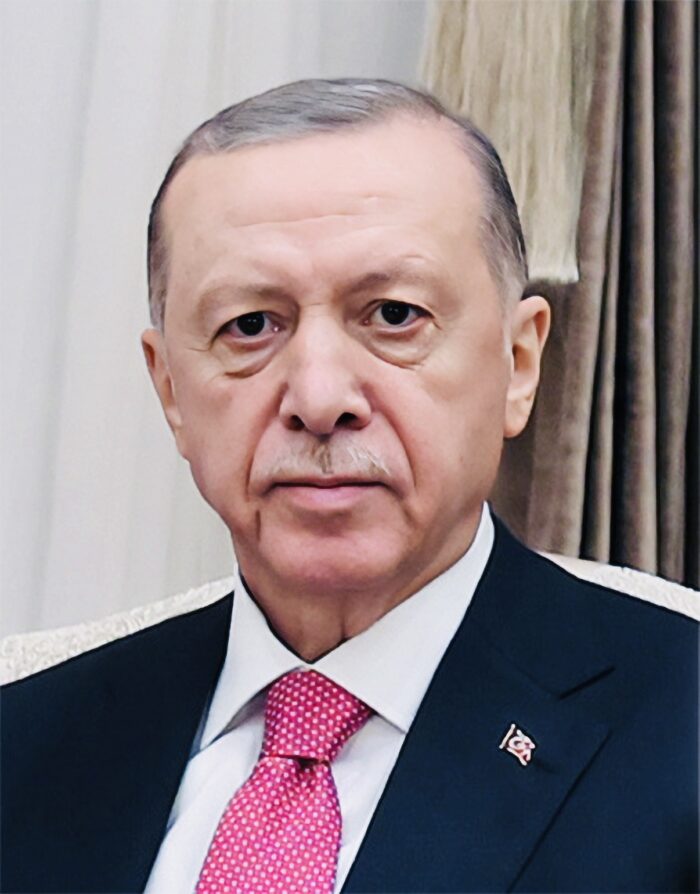
Erdogan’s venom toward Israel escalated during Israel’s war with Hamas in the Gaza Strip. This two-year conflict erupted after Hamas terrorists invaded southern Israel on October 7, 2023, killing roughly 1,200 people and kidnapping 251 Israelis and foreign nationals.
Erdogan and his ministers accused Israel of genocide, angering the Israeli government. As the war in Gaza stretched on, Turkey withdrew its ambassador in Tel Aviv and halted trade with Israel, thereby undermining a brief period of amity during which their bilateral relations improved. Most recently, Turkey’s minister of interior provocatively called for the “liberation” of Jerusalem.
With the Israeli government’s formal recognition of the Armenian genocide, Turkey lashed out at Israel. “We pay absolutely no attention to the slanders against our country by this criminal network, which has the blood of 73,000 innocent people of Gaza, mostly children and women, on its hands,” Erdogan said in a televised address.
Turkey’s Foreign Ministry, in a similarly harshly-worded statement, wrote, “The Israeli government, which systematically persecutes the Palestinian people in full view of the world and is being tried at the International Court of Justice for genocide against the people of Gaza, aims to cover up its own crimes.”
The statement added that Israel’s decision “reveals the predicament of Netanyahu and his accomplices, who have arrest warrants against them” from the International Criminal Court.
Turkey, in effect, accused Israel of cynically using the recognition of the Armenian genocide to fend off criticism of its military campaign in Gaza, which led to the deaths of tens of thousands of Palestinians and the levelling of most of its buildings.
While Turkey’s criticism of Israel is self-serving, it leads to an important point. For all intents and purposes, Israel probably would not have recognized the Armenian genocide if its relations with Turkey had been good and if Turkey had not previously accused Israel of genocide.
By expediently recognizing the Armenian genocide, the Israeli government achieved two interlocking objectives. It belatedly struck the right moral note at a time when Israel has come under fire around the world. And it paid back Turkey for its hostile behavior in recent years.
In international politics, this kind of traditional diplomatic maneuvering is known as Realpolitik.