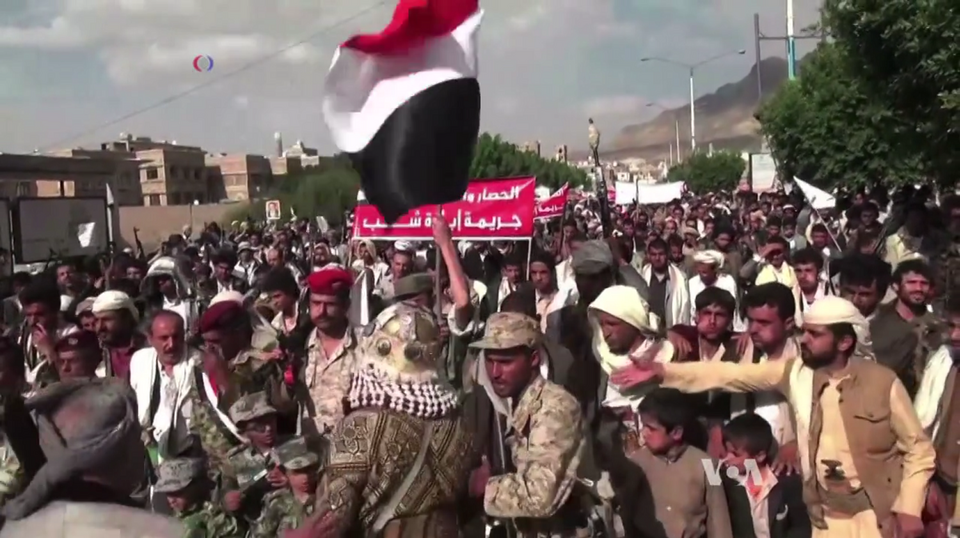
The Houthis of Yemen are on the offensive.
In the past few weeks, they have struck critical infrastructure, airports, oil facilities and military installations in Saudi Arabia. Vowing a decisive response, the Saudis have retaliated, striking Houthi bases, an airport, and oil and fuel storage sites.
The upsurge in fighting is nothing new.
Yemen has been locked in an intermittent civil war with the internationally-recognized Yemeni government for more than a decade now. The Houthis, based in Sanaa, are backed by Iran. The competing government of Yemen, which is based in the southern city of Aden, is supported by, among other countries, Saudi Arabia and the United States.
The war reached a climax when the Houthis captured Sanaa, the capital, in 2014, prompting Saudi Arabia to launch a concerted bombing campaign. Saudi Arabia intervened because it regarded the fall of Sanaa as a major strategic threat due to the Houthis’ close relationship with its regional rival, Iran.
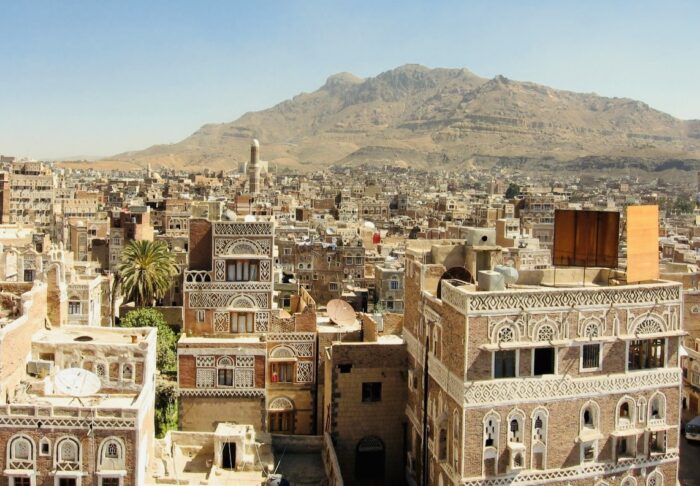
A ceasefire in 2022 reduced the fighting, but Houthi-Saudi tensions exploded again this past July when the airport in Sanaa was bombed. The Houthis attributed the attack to the Saudis, but the government in southern Yemen, led by Rashad al-Alimi, claimed responsibility.
In short order, the Houthis declared an embargo on Saudi shipping in the Red Sea, which had become a vital alternative route for Saudi oil exports after the United States and Israel attacked Iran last February. From that point onward, Iran disrupted the flow of petroleum and liquefied natural gas through the Strait of Hormuz.
Last month, the Houthis escalated the conflict, seizing the entire coastline of the Red Sea and thereby giving them a large degree of control over the Bab al-Mandab Strait, another choke point through which 12 percent of global trade passes.
At this juncture, Saudi Arabia went on the offensive with the intention of regaining territory won recently by Houthi regime. As a result, the civl war was reignited. These developments placed the Red Sea at the center of a regional confrontation that may yet draw in the United States and Israel, imperil shipping in the strategically important Strait of Hormuz and the Bab al-Mandab Strait, and pose a serious risk to international trade and energy supplies.
The most recent events underscore a sobering reality: the Houthis are one of the most consequential and disruptive armed groups in the Middle East. Although they originated as a religious and political movement, they have developed into a formidable military force capable of threatening Saudi Arabia, playing havoc with global shipping, and affecting U.S. policy in the Middle East.
The Houthis are not only an Iranian proxy. They have their own political ambitions. Yet Houthi interests often coincide with those of Iran. They both oppose American influence in the Middle East and reject Israel’s existence
Iran has substantially increased their military capabilities with respect to missile technology, drone capabilities, training and intelligence. Iran’s Islamic Revolutionary Guard Corps has played a key role in building Houthi forces.
The Houthis gained notoriety shortly after the eruption of the Israel-Hamas war in the Gaza Strip in 2023. Being ideologically aligned with Iran, Hamas and Hezbollah and sympathetic to the Palestinian cause, they attacked commercial shipping in the Red Sea, focusing on striking Israel-owned vessels heading toward the port of Eilat, and firing missiles and drones toward Israeli cities.
After a Houthi projectile hit an apartment building in the heart of Tel Aviv two years ago, killing one person, the Israeli Air Force bombed ports and power plants in northern Yemen and then took aim at its leadership. In one spectacular strike, Israel killed a number of Houthi cabinet ministers.
Relying on a diverse arsenal, the Houthis possess a combination of locally assembled weapons, sophisticated Iranian-origin systems and technology, and captured Yemeni military equipment. Their arsenal includes ballistic missiles, cruise missiles, drones and anti-ship weapons.
To be sure, they cannot match Saudi forces. But they have demonstrated an ability to withstand repeated Saudi, U.S. and Israeli airstrikes. And they have imposed substantial costs on opponents due to dispersed launch sites, concealed stockpiles and rugged terrain, according to the Council on Foreign Relations.
Three additional factors tend to favor the Houthis.
They have a comparatively cohesive leadership and a clear chain of command. Having fought successive Yemeni governments and foreign-backed opponents for years, they have valuable combat experience. And their enemies inside Yemen are divided among competing political, regional and military factions with different relationships to Saudi Arabia and the United Arab Emirates. Rivalries among the factions have undermined attempts to coordinate operations against the Houthis.
At present, the United States is providing Saudi Arabia with support to counter the Houthis, but U.S. President Donald Trump has so far resisted joining the latest Saudi-led offensive.
According to Axios, the U.S. has supplied intelligence and targeting information to help Saudi Arabia strike Houthi positions. Washington has declined Saudi requests for direct airstrikes.
American policy could change if circumstances warrant a new approach. A major attack on American personnel, a severe disruption of international shipping, or a further escalation involving Iran could change American calculations.
Several days ago, Trump said he is weighing the possibility of joining Saudi Arabia, but he offered no details.